
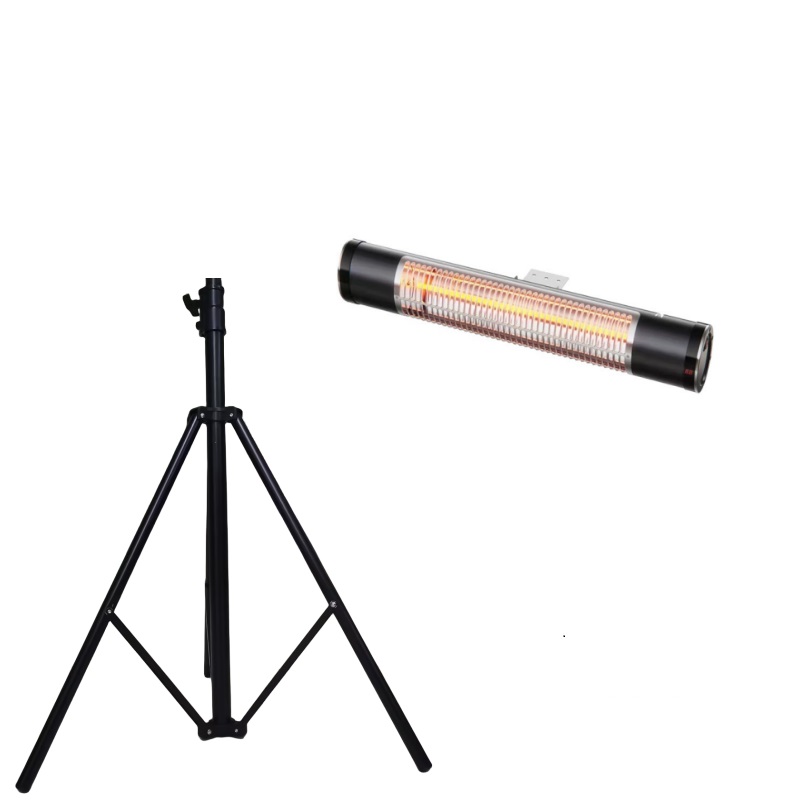
Technical Deep-Dive: Power and Dimensions
Let’s get straight to it. This heater is for engineers who need serious heat but don’t have a lot of room to play with. We’re talking 400V and 2500W of power. It packs a serious punch, getting things hot fast in those tight, cramped spaces. The tube is just 300mm long, so it slips into spots where longer quartz elements just can’t go. But here’s the thing—that kind of power density needs a plan. You’ve got to make sure there’s proper airflow or a solid thermal setup on your machine. Otherwise, you’ll shorten the life of the components.
Material and Design
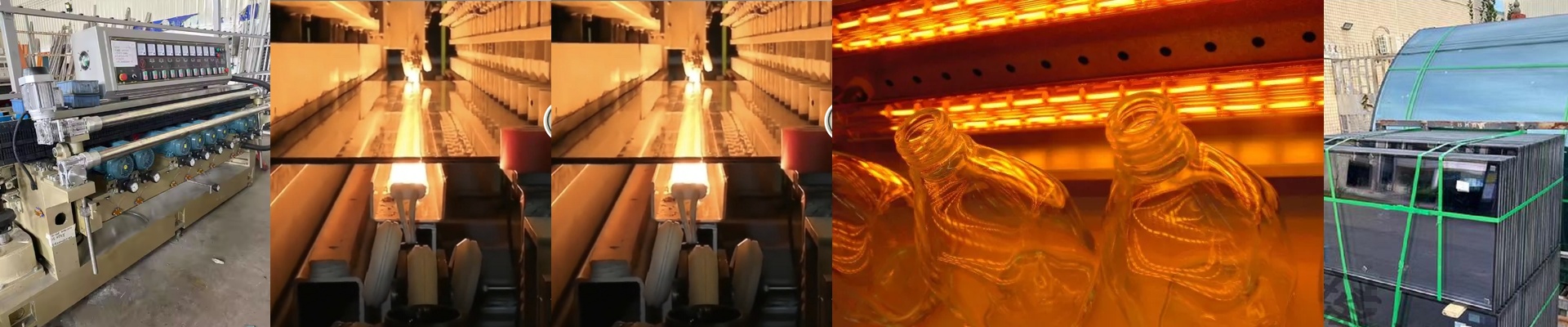
Inside that quartz tube, the halogen element runs hot. But that’s by design. The halogen cycle keeps the filament stable, so it resists burning out. A reflective coating then pushes the infrared energy forward. Less heat gets wasted out the back, and your process just runs more efficiently. And the R7s connector? It’s a simple, two-pin setup that wires up quickly into ceramic holders. It’s a straight drop-in for any system already using R7s. No re-engineering needed.
Application and Benefits
This setup is built for spot heating where space is at a premium. Think dorm room heater assemblies, small ovens, or compact drying tunnels. You get a heater that responds fast, holds a steady output, and is easy to service. The trade-off is simple: packing that much wattage into a short tube means the surrounding chassis is going to feel the heat. So just plan your mounting and cooling accordingly.