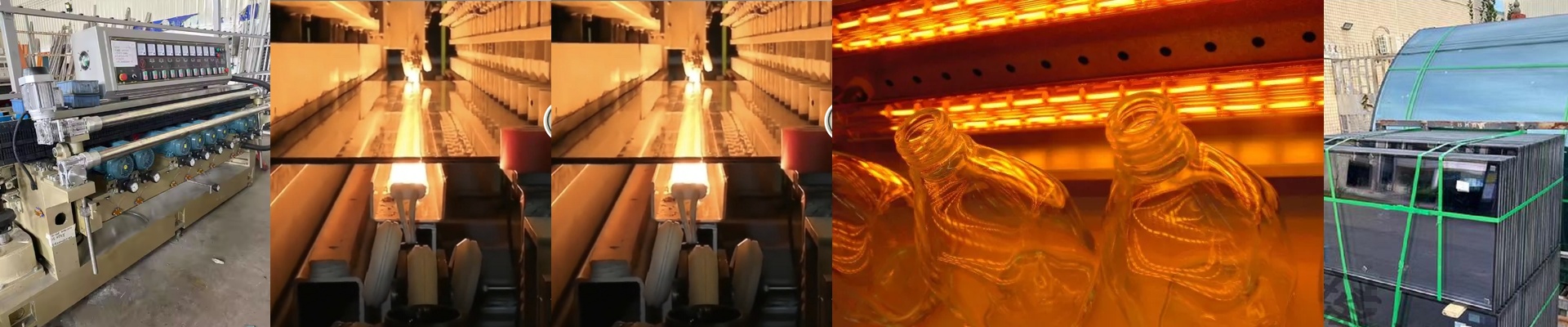
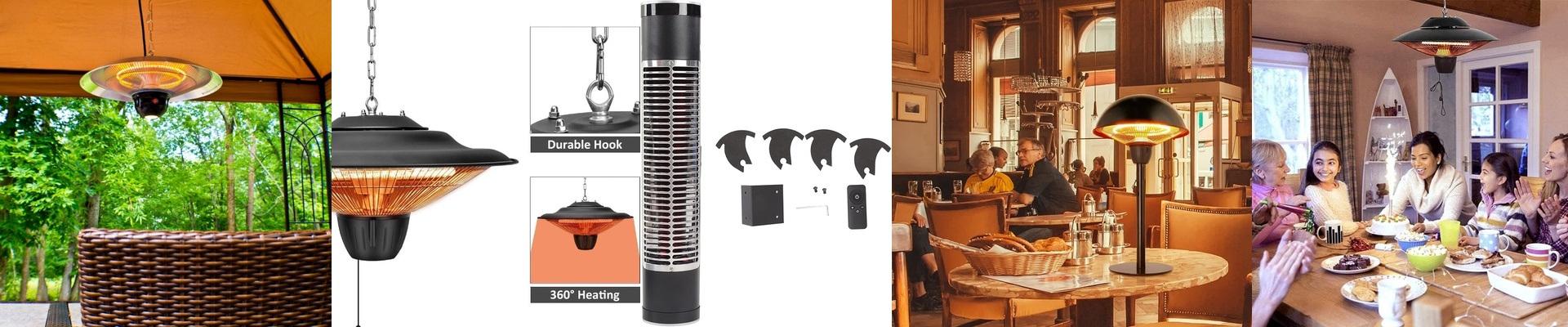
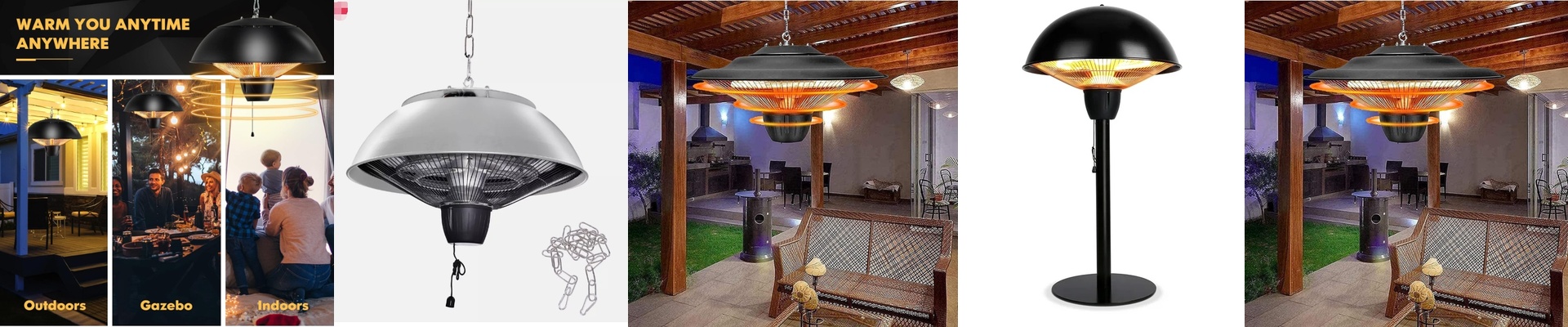
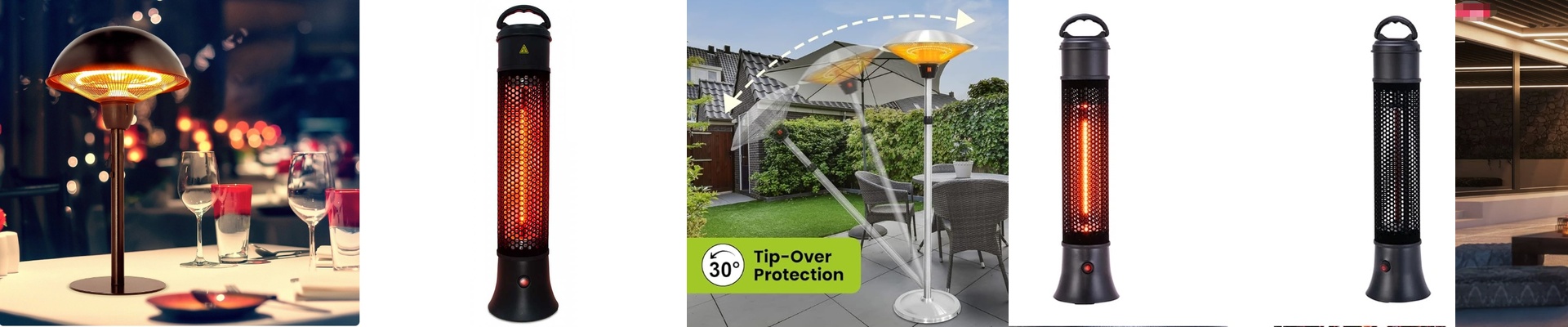
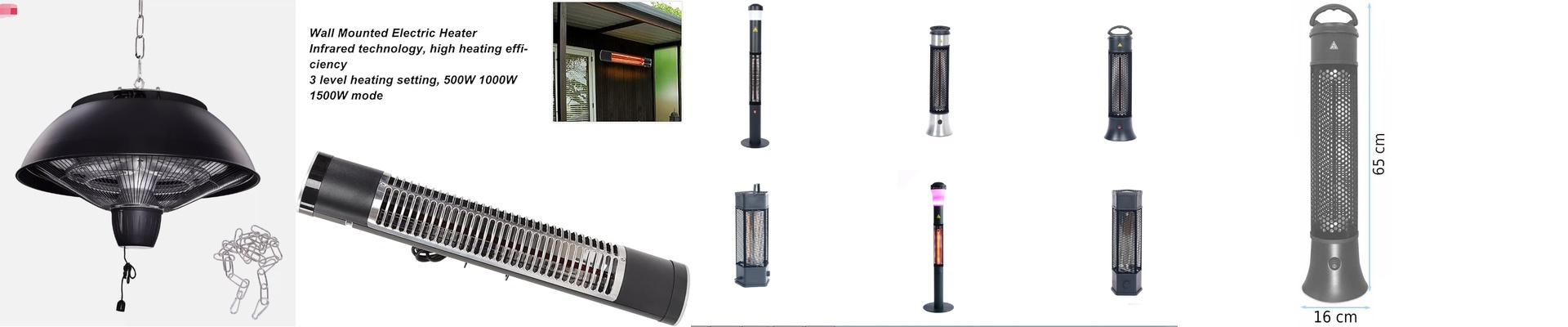
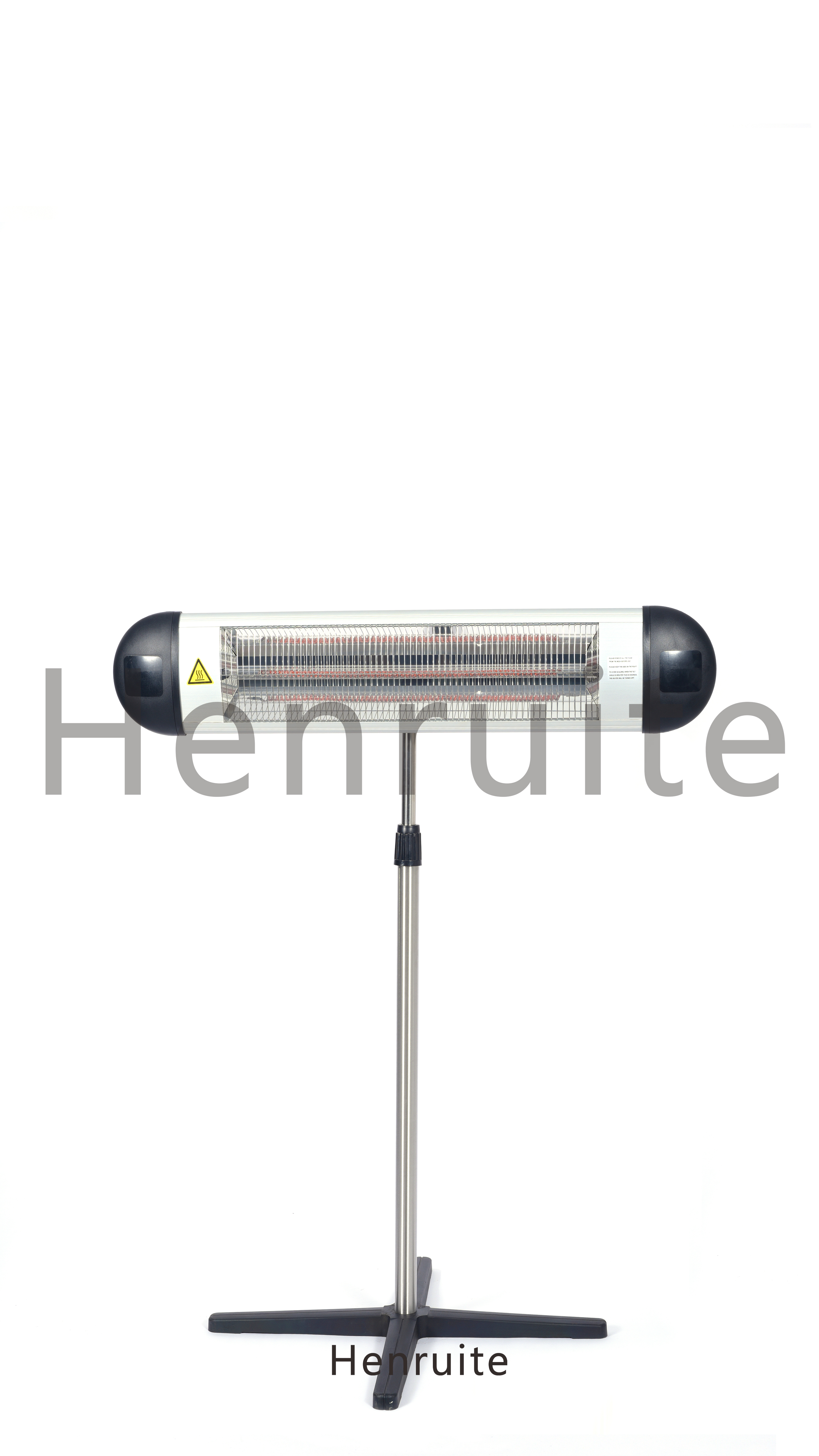
Outdoor evenings can turn cold fast. When the air bites, comfort isn’t just about heat—it’s about heat you can count on, season after season. We built our mantle electric fireplace around an infrared heater core because radiant warmth targets people and furnishings directly, instead of wasting energy heating air. The question kept coming up: how do you make an outdoor electric heater last? Protection is where it starts.
What matters under the hood
Inside, a quartz-based infrared element delivers steady radiant heat. To keep that core healthy, we used an IP-rated housing engineered to resist moisture intrusion. The front glass is treated to resist fogging, and the control compartment is sealed against splashes and damp conditions. The payoff: fewer thermal shocks from condensation, fewer corrosion points, and a heater that can take the wet, shifty weather that kills ordinary outdoor units.
Why it holds up on patios and porches
This mantle electric fireplace is intended for patios, covered porches, and screened-in rooms—places where humidity and temperature swings are part of the routine. The anti-fog and splash-resistant design keeps moisture from stressing internal components. That means the heater holds output longer and avoids early replacement calls. You get immediate infrared warmth, a classic mantle profile that fits outdoor living spaces, and performance that stays steady when the evening turns damp.
Practical setup and care
For best results, install the mantle where airflow is steady but heavy rain exposure is limited. Even with splash resistance, sustained driving rain will test any seal over time—a sheltered spot is the smart long-term call. The unit runs on standard electric service, and adding a thermostat keeps comfort steady without overheating the space. Wipe exterior surfaces dry when cleaning, and you’ll keep the heater running quietly—and warmly—for many seasons.