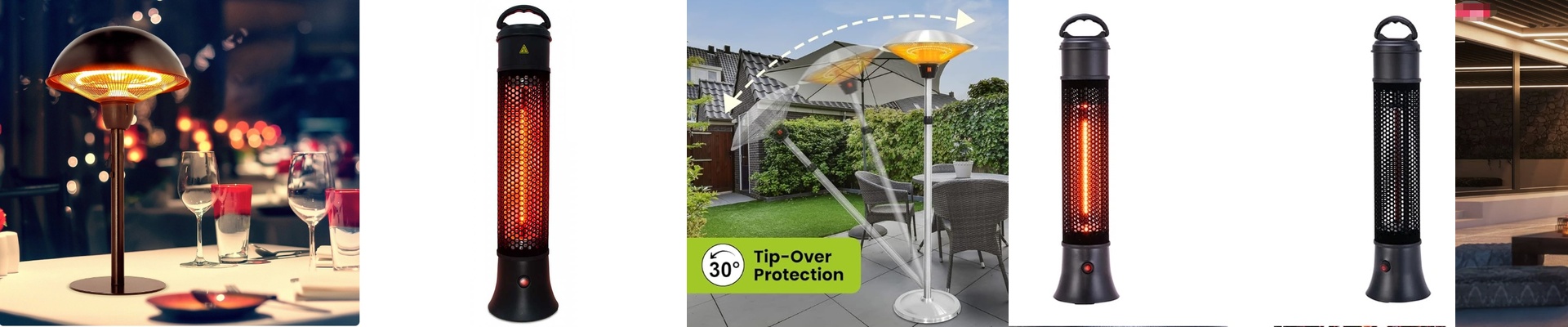
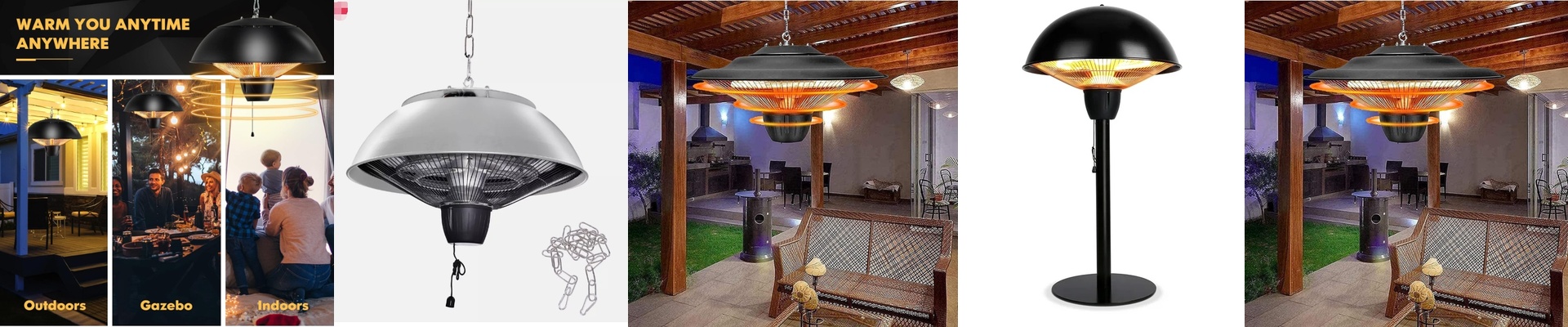
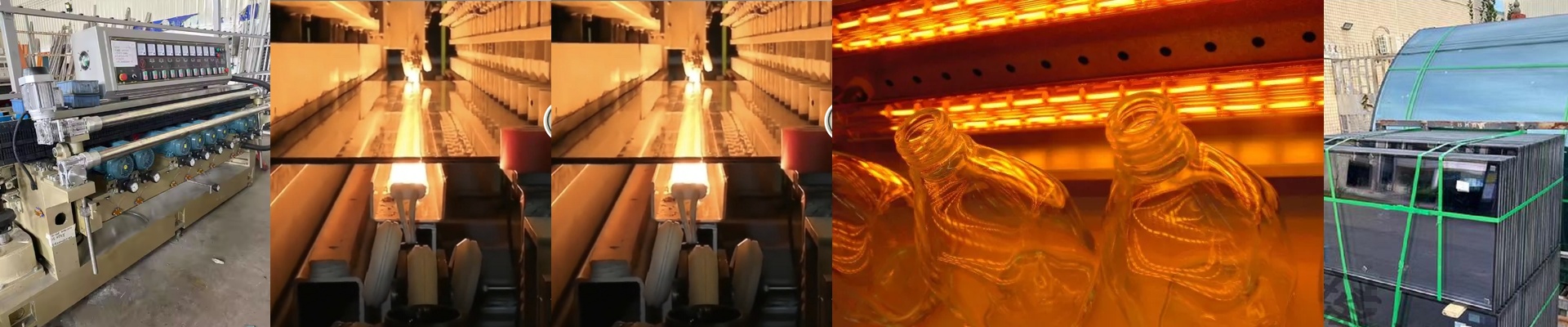

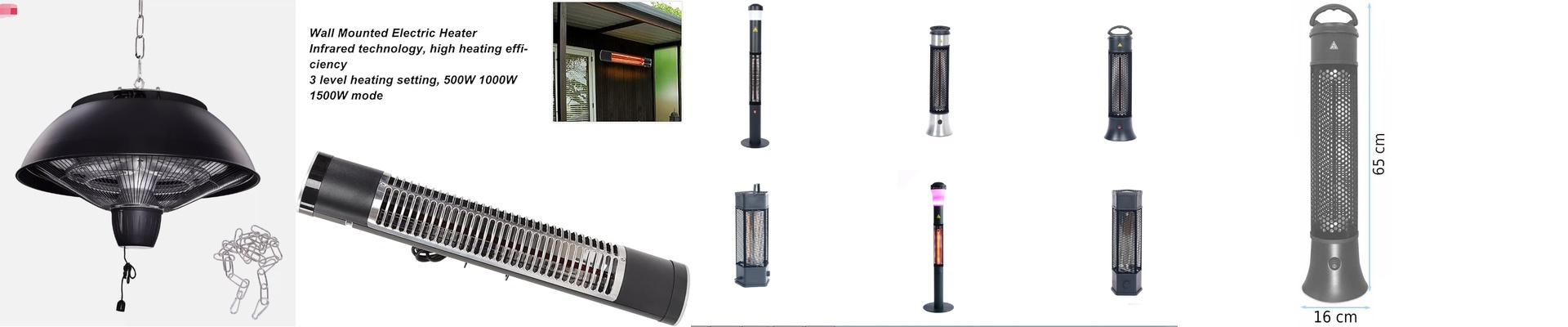
What Makes These Tent Heaters Tick
Here’s the deal: we build these tent heaters around high-output halogen lamps because they throw off heat fast—right where you need it. A typical unit runs at 400V and 2500W. That’s a lot of heat packed into a small footprint. The 300mm tube length keeps that heat focused, so you’re not just warming up the whole air around you. But that power comes with a catch: your wiring, supply, and contactors all need to be rated for the load. Plan accordingly.
Built to Take It
Inside, the halogen element keeps the filament stable even when things get scorching. That means less blackening and steady output over time. The quartz tube handles sudden temperature swings without cracking, and a reflective coating pushes infrared energy forward. More warmth where you want it. Less wasted. We use R7s connectors because they lock in tight and carry high current without wiggling loose from vibration. The SK15 base is an option if you need a drop-in fit for common industrial fixtures. Keep the socket clean and the contacts tight. That’s how you avoid hot spots and early burnouts.
Winter Tents, Done Right
When you’re working in a winter tent, you need heat that turns on instantly and stays steady, even with drafts. These heaters deliver immediate infrared warmth, so people and equipment feel the heat fast. They’re compact, so they fit into tight spots. The wiring is straightforward, which makes installs and replacements quick—no major rework. That said, high heat density means you need to manage airflow and clearances. Keep anything combustible at a safe distance, and make sure your tent ventilation meets local codes.
Why Engineers Like This Setup
For field work, this configuration keeps things simple. You get predictable output, standard connectors, and a rugged build that handles frequent on/off cycles. The 400V, 2500W, 300mm profile gives you the right heat profile for temporary enclosures. And with R7s/SK15 options, swapping out a unit is fast, so downtime stays low.
The Reality of High Power
High output means the area around the fixture gets hot. Make sure the heater matches the tent size, double-check ventilation, and keep the lamp from touching tarps or equipment.
Wiring That Can Handle the Load
High wattage demands solid wiring and the right fusing. Your power supply needs to handle the inrush current, and the fixture mount needs enough clearance so air can move.
Heat You Can Feel—and Control
In sub-zero conditions, these heaters give you direct, controllable warmth. The halogen design keeps output steady, and the coated reflector aims energy forward, so you waste less heat.
Keep It Breathing
That concentrated heat does the job, but it can also wear things down faster if airflow isn’t there. Watch the socket temperature and keep the lamp clean—those two habits extend its life.