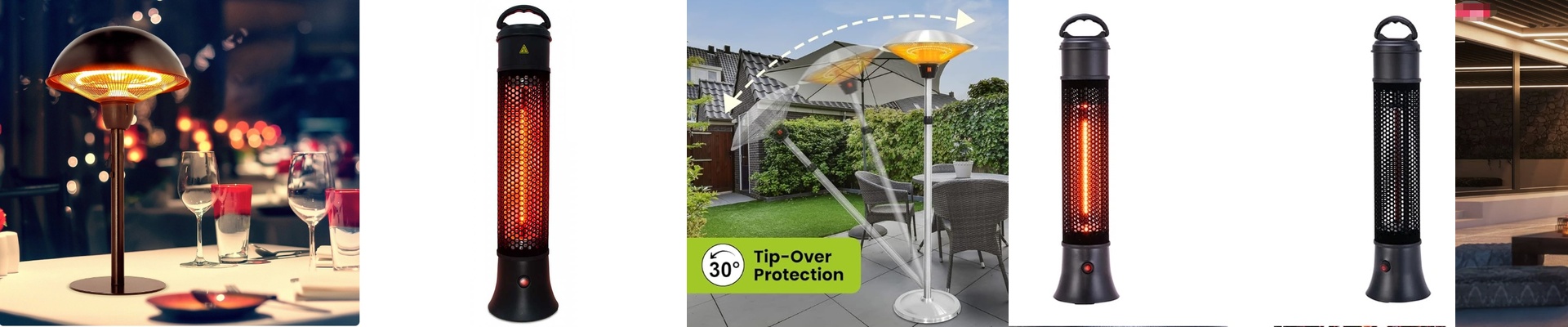
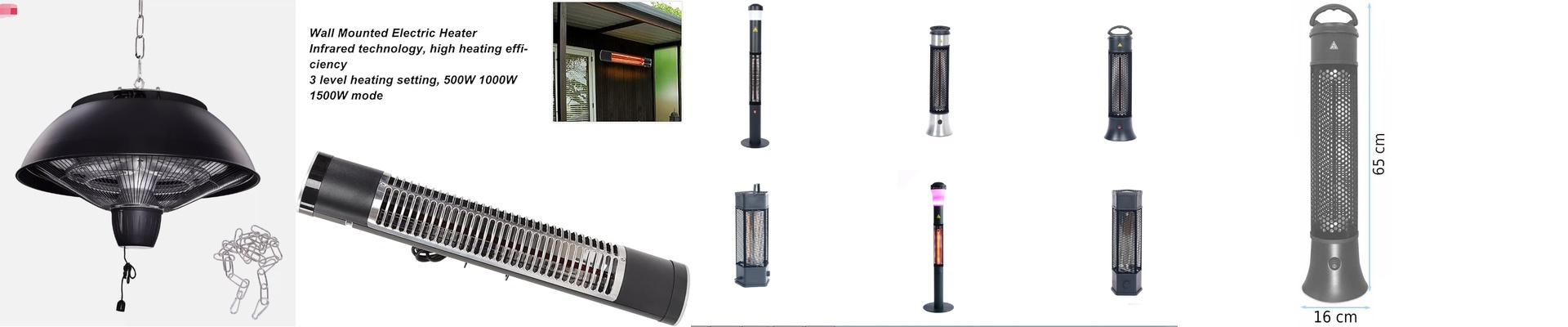
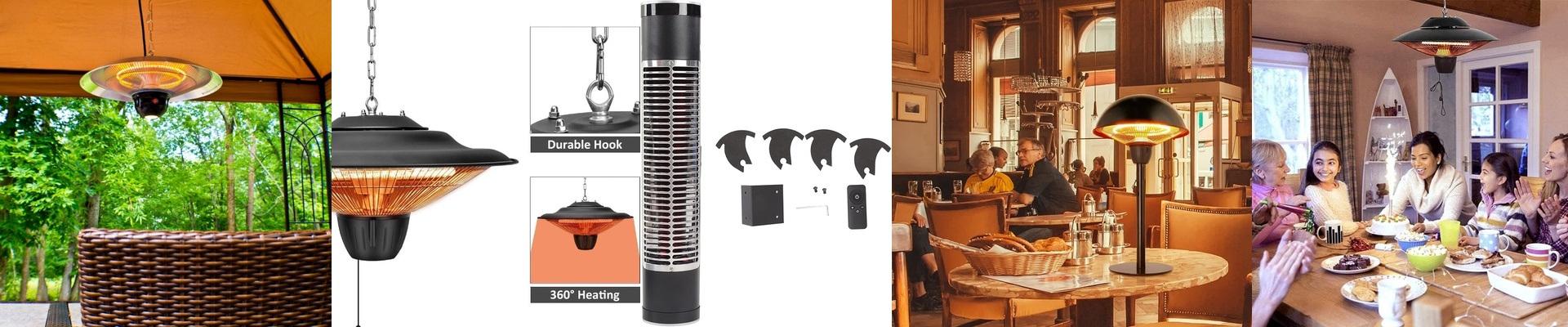
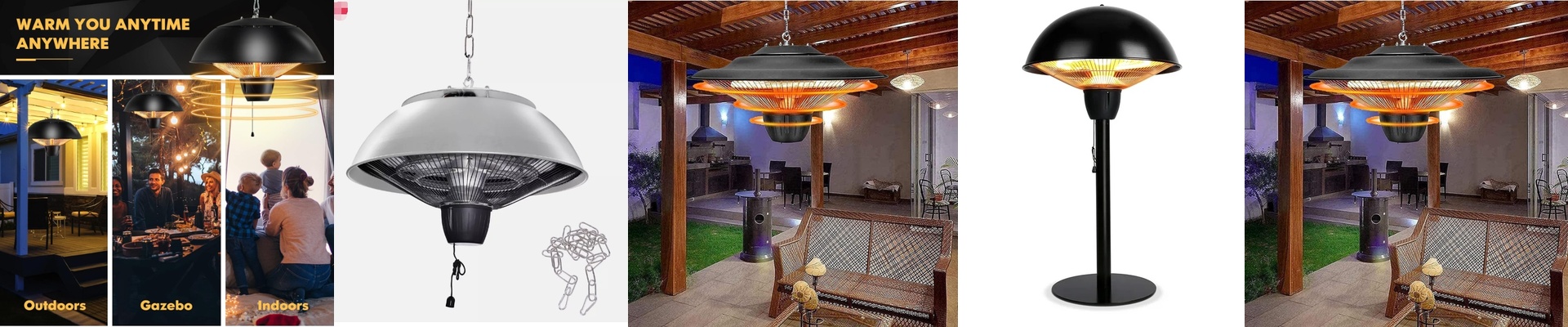

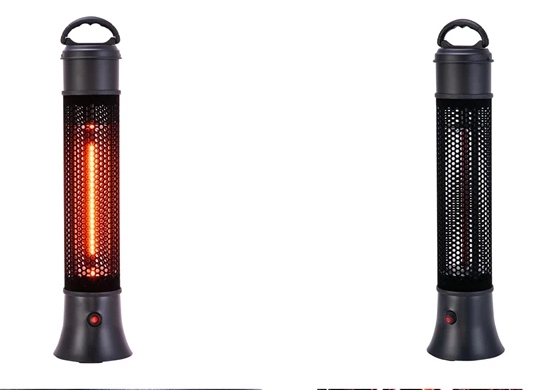
Design teams are already drafting the 2026 outdoor heating lineup, and the question I keep hearing from homeowners is straightforward: can we get warmth without the racket? That’s exactly why we focus on low-noise heaters—because sometimes the priority is conversation, music, or simply the sound of a quiet evening.
What Matters Technically
Quiet performance begins with how the heat is delivered. Our electric radiant heaters put out infrared warmth that targets people and objects directly, so there’s no need for a noisy fan to move air around. We pair that with a carbon fiber heating element, sealed inside a compact chassis built to cut down on coil hum and vibration. The result is a patio heater that stays quiet while still delivering steady, even radiant heat. In practice, the sound level is low enough that you can hear someone speaking nearby, even when the unit is running wide open.
Why It Works Here
If you’re hosting on the deck or just unwinding on the porch, heat that doesn’t announce itself changes the whole vibe. A low-noise design keeps things calm, so guests stick around longer and nobody has to talk over the heater. Because infrared warmth hits people first, you feel cozy sooner—meaning the patio becomes usable earlier in the season. And without a blower cycling on and off, you get consistent comfort without that constant rush of moving air. That’s a big plus in windy corners where forced-air heat tends to feel spotty.
Things to Know
Placement matters—for warmth and for quiet. Mount the heater around 6–8 feet high and angle it toward the seating area, not straight down. Most low-noise electric heaters need a dedicated outlet, and they should be plugged into a grounded circuit that isn’t already maxed out by other outdoor equipment. They perform best in covered outdoor spaces; in fully exposed spots, wind can cut into comfort even though the heater itself stays quiet.