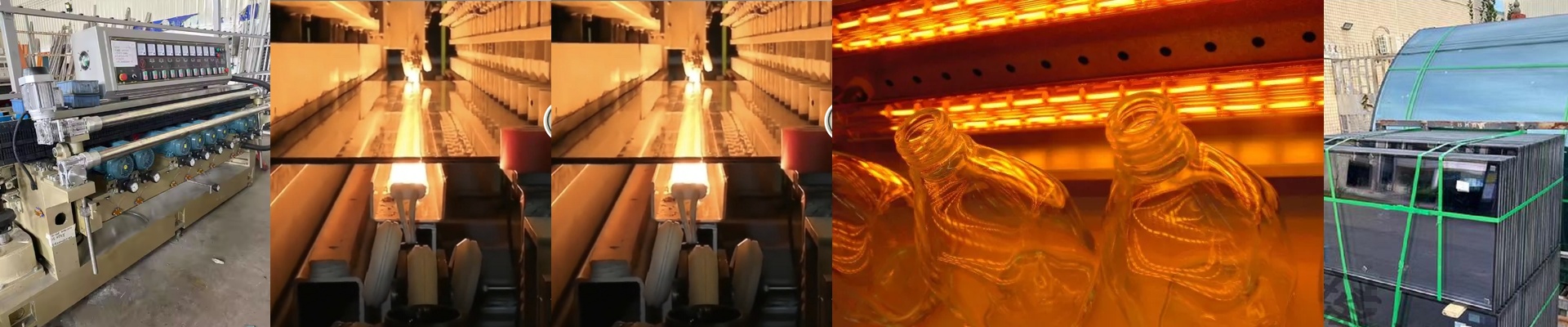
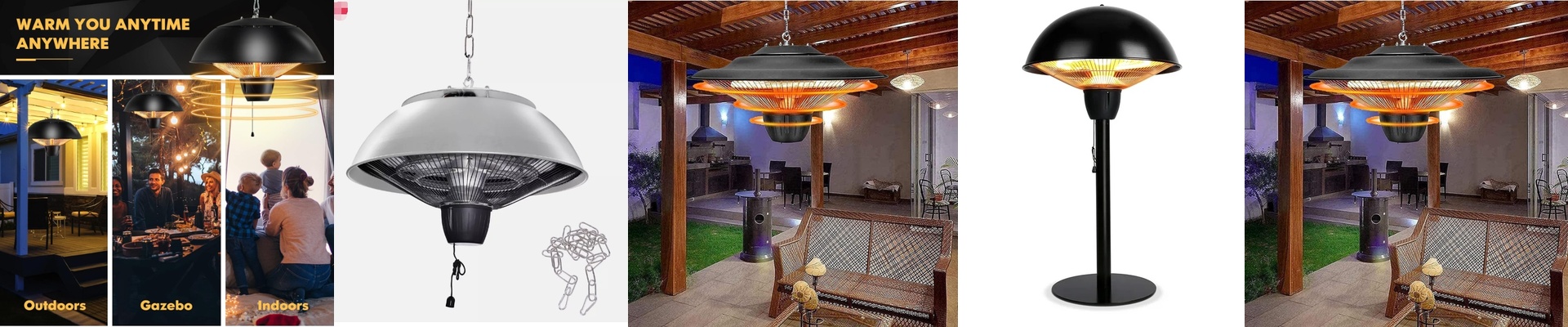
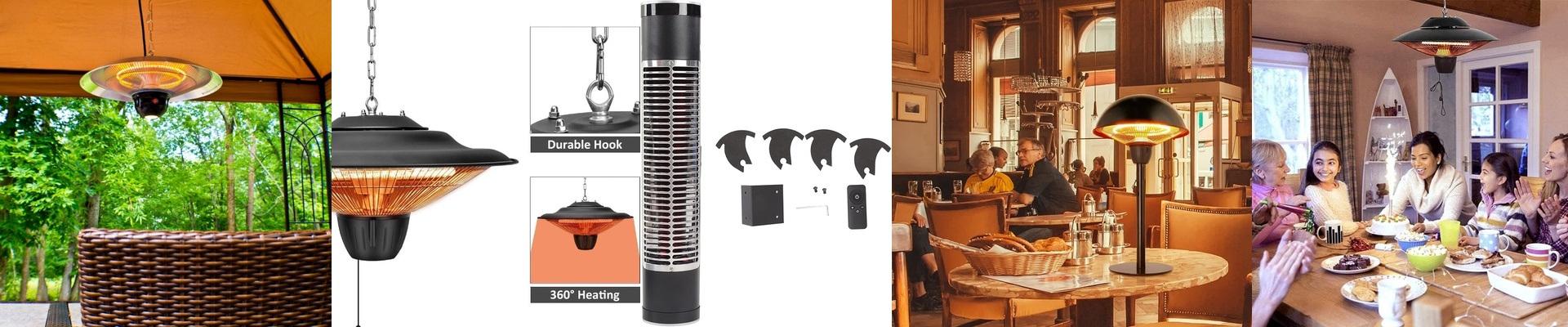
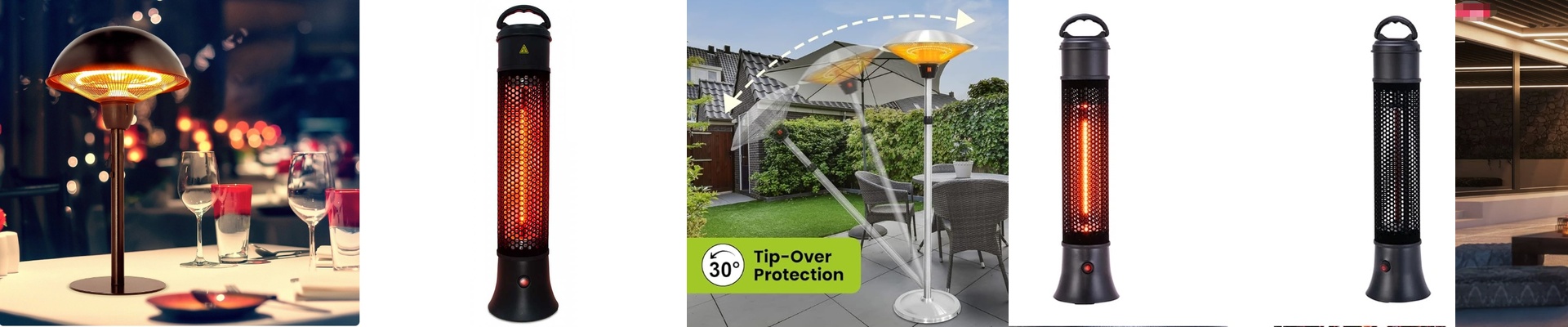
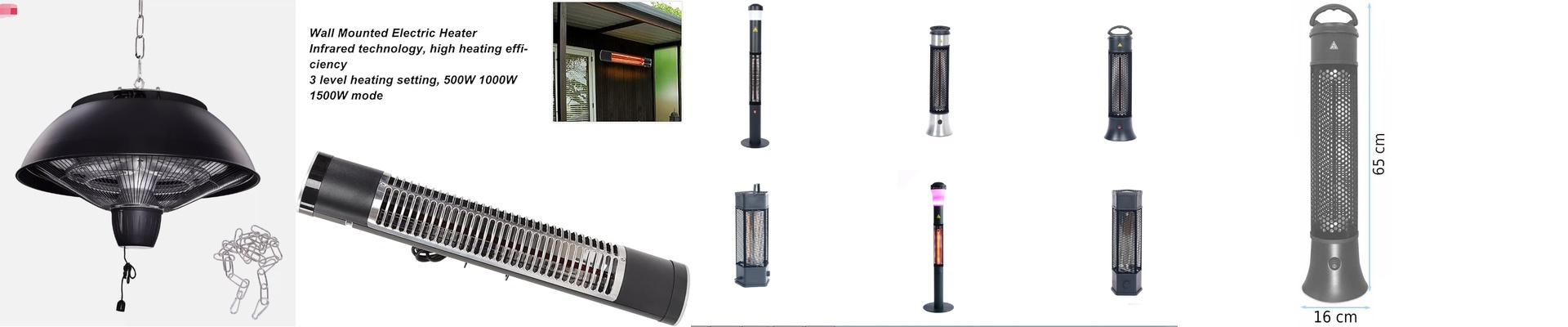
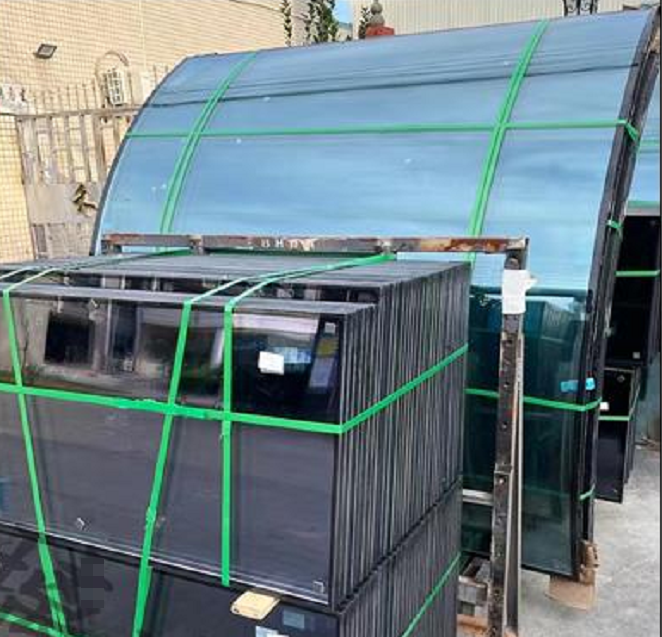
On the line, seconds are money. When the bending furnace can’t get heat into the glass fast and even, the whole schedule slides. You feel it in missed targets, in warp and thermal stress cracks, and in heaters that give up too early. We built these heating modules to attack the cycle head-on—without chasing peak temperatures that just waste energy. What matters under the hood We use medium-wave infrared with high-density emitters in a quartz envelope, chosen for snap response and steady output. The emitters run on a matched industrial voltage and are sized to drop into standard mounting footprints, so the swap is a straight replacement. The layout targets a uniform thermal field across the glass surface, which cuts hot spots and cold edges. That uniformity is what keeps shape repeatability tight when you’re running multiple bends in a single shift. Why it plays in bending Bending cycles live and die by how quickly and evenly the glass hits forming temperature. Faster ramp-up shortens dwell without overheating, and that trims the total cycle. You get more parts per hour out of the same furnace footprint. Controlled heating also eases thermal shock, so you see fewer rejects from stress fractures and less downtime chasing rework. Energy use drops because the emitters deliver heat on demand and cool down fast, avoiding idle losses. Here is what to watch for These modules are built for high-duty-cycle glass work, but they still need clean, stable power and the right clearance for cooling and reflector alignment. If your line has big voltage swings or undersized wiring, run an electrical check before you install. Plan the swap for a scheduled maintenance window—matching connectors and mounting points saves hours and gets the bending furnace back on schedule the first shift.