Why we torture-test our IP55 heaters (before they get to you)
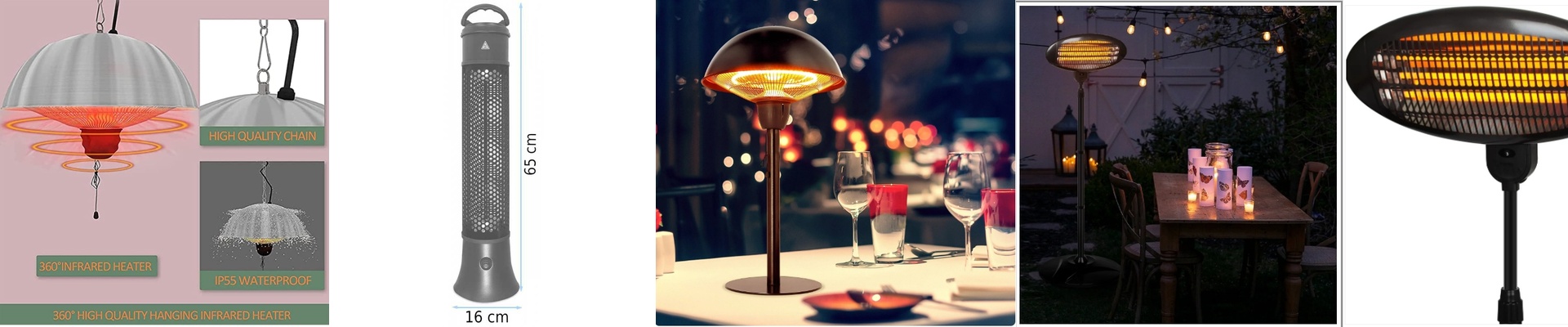
If you’re putting an infrared heater in a bathroom or out on a patio, you’re basically throwing it into a war zone of moisture. Now, you’ll see “IP55” on the spec sheet. That’s great, but a piece of paper doesn’t stop a short circuit. That’s why we don’t just trust the rating. We take every batch and put them through “wet-heat aging tests.” Basically, we try to break them in our lab so they don’t break in your ceiling. The “breathing” problem Here’s the thing about bathrooms: it’s not just about the occasional splash of water. It’s the humidity. When the heater turns on, the air inside heats up and expands. When it clicks off, it cools down and contracts. This creates a “breathing” effect. If the seals aren’t perfect, the heater literally sucks moist air right into the internal electronics. Leave that alone for a few months, and you’ve got rust on the terminals and a dead heater. How we push them to the limit We toss our heaters into high-humidity chambers for hundreds of hours. It’s like a sauna from hell. We do this to fast-forward time—simulating years of wear and tear in a few days. We’re looking for two things: Do the gaskets shrink? Does the coating on the heating element peel? While they’re in there, we keep a close eye on the insulation resistance. If that number drops, it means moisture is sneaking past the barrier. We’d much rather burn out a unit on our workbench than have it trip your breaker on a cold Tuesday morning. The balancing act You might think, “Just seal it tighter!” But there’s a catch. If we make the unit completely airtight, the heat has nowhere to go. The internal components start cooking themselves, and the whole thing shuts down to avoid melting. It’s a delicate balance. We spend a lot of time tweaking the seal tension and designing specific venting paths. This lets the heat escape while keeping the water droplets out. The result? A heater that stays dry, stays cool, and actually lasts.