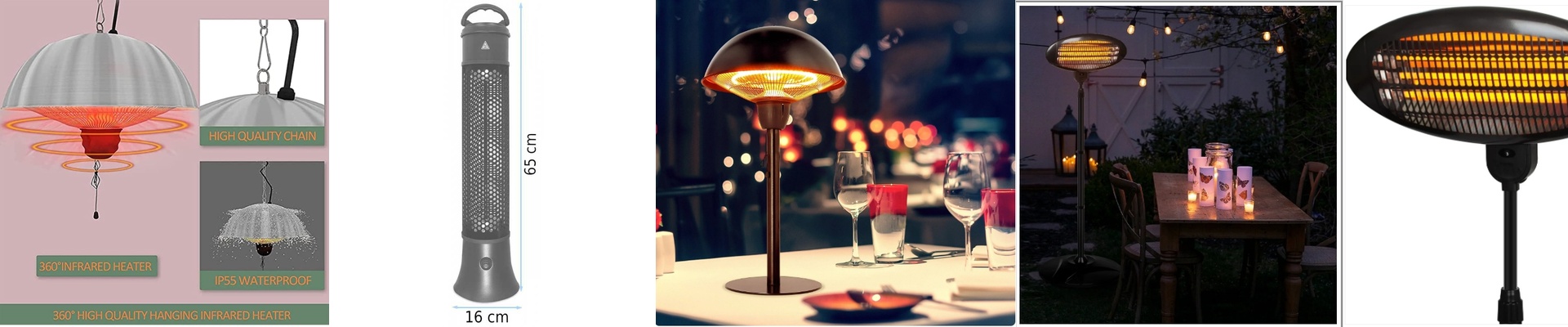
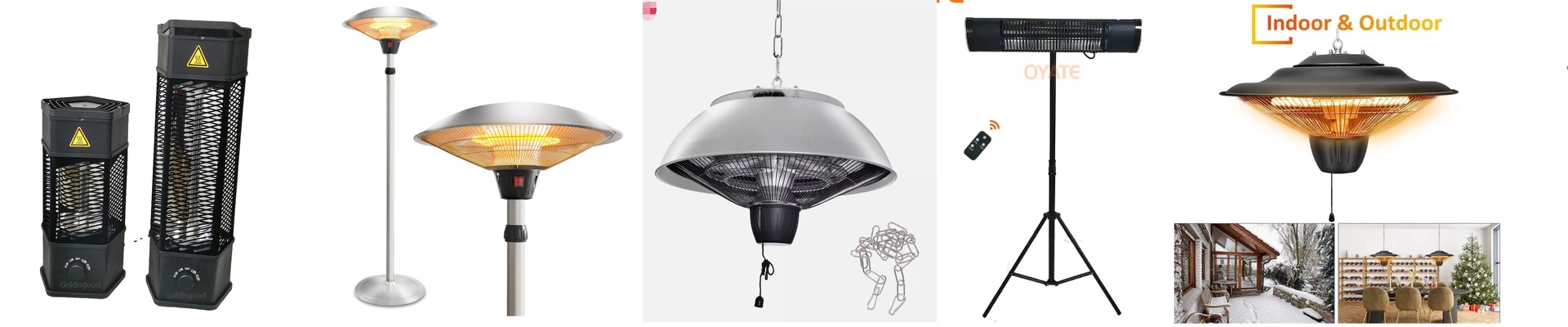

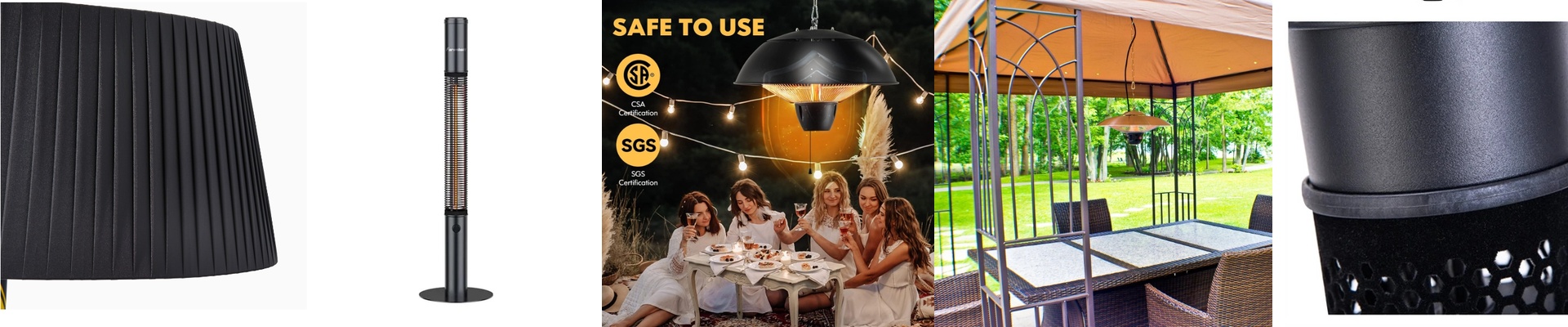
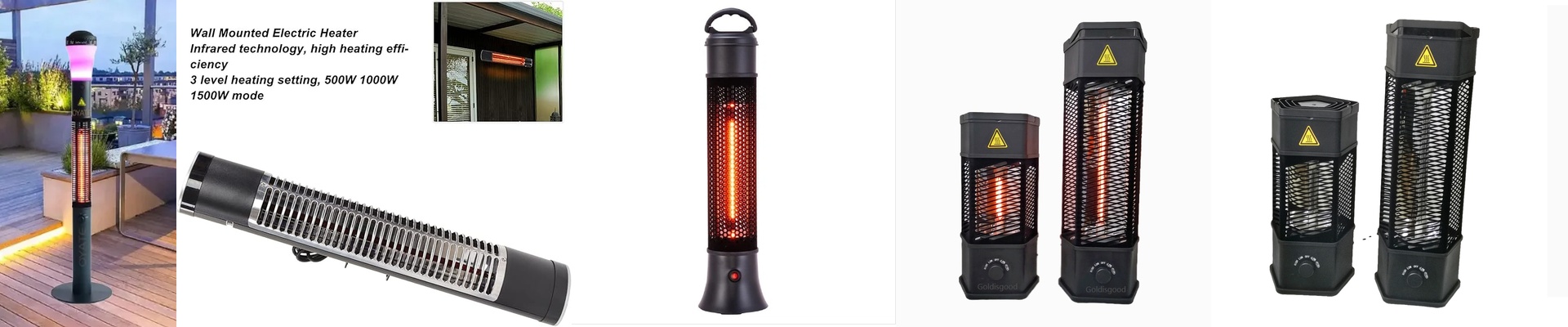
Keeping the Heat, Losing the Glare: Safe Radiant Heating
Most industrial infrared heaters are basically heat cannons. They blast out a wide spectrum of energy to get the job done fast. But if you’re putting a heater in a bathroom—especially one where there are babies around—that raw power is a problem. You can’t just blast a newborn with industrial-grade light. We have to find that sweet spot where the room gets warm quickly, but the light doesn’t hurt anyone’s eyes.
The Trick to Eye-Safe Heat
Standard short-wave lamps put out a ton of visible light and near-infrared radiation. For an adult, it’s just annoying. For a baby with a developing retina? It’s actually risky. So, we change how the light behaves. We use special quartz coatings and doped filaments to scrub out those harsh blue-light peaks and that blinding glare. By shifting the energy toward the mid-to-long wave range, the heat still sinks into the skin and feels great, but the light stays soft. There is a trade-off here. Filtering the spectrum means you lose a bit of that raw heat density, but it keeps the light levels safe. It’s a trade we’re happy to make.
Making it Work in a Home
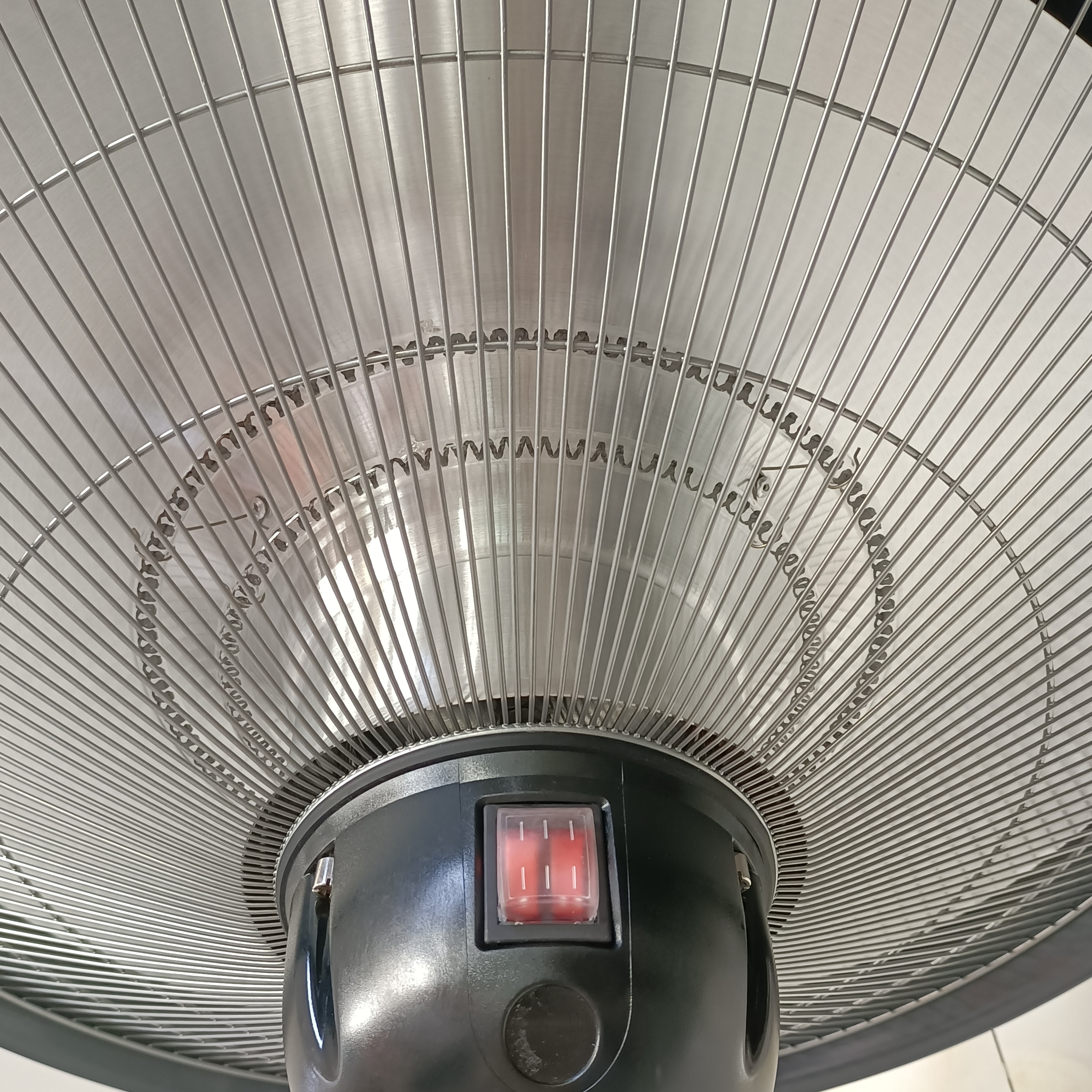
You can’t just slap an industrial tube into a ceiling fixture and call it a day. We use precise reflectors to steer the beam. This stops those annoying “hot spots” and makes sure the warmth spreads evenly across the floor. No one likes standing in a freezing puddle while their shoulders are roasting. Then there’s the housing. Quartz tubes expand when they get hot, and if the housing is too rigid, the lens will crack. We use treated polymers or borosilicate glass to give the element some breathing room. And the seals have to be perfect. If a little bit of shower steam leaks in and hits that white-hot filament? The whole tube pops. Just like that.
A Few Things to Keep in Mind
These eye-safe heaters are a bit picky about power. They need a steady voltage to keep that filtered spectrum working. If you under-power the unit, the color shifts and the heating efficiency just drops off a cliff. Plus, you’ll want to make sure your wiring can handle the initial surge when it kicks on, otherwise, you’re just heading straight for the circuit breaker.