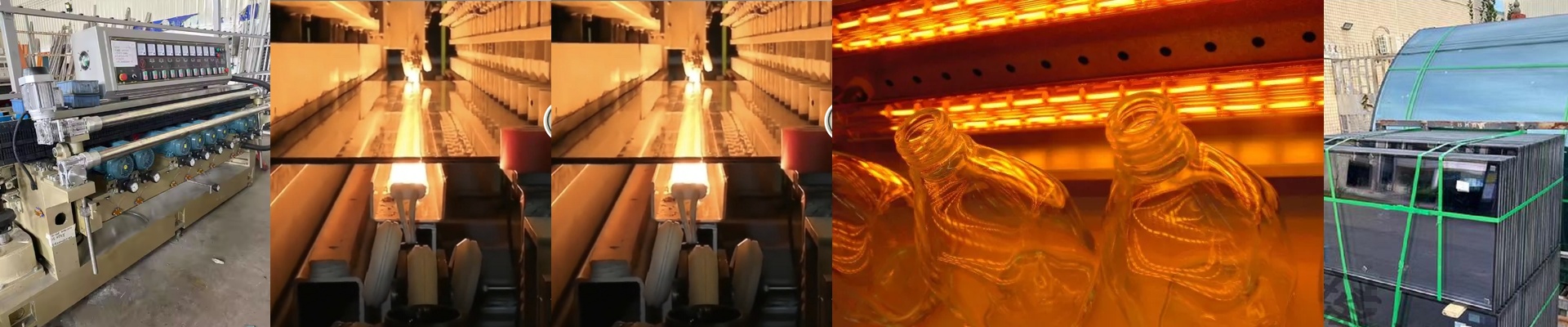
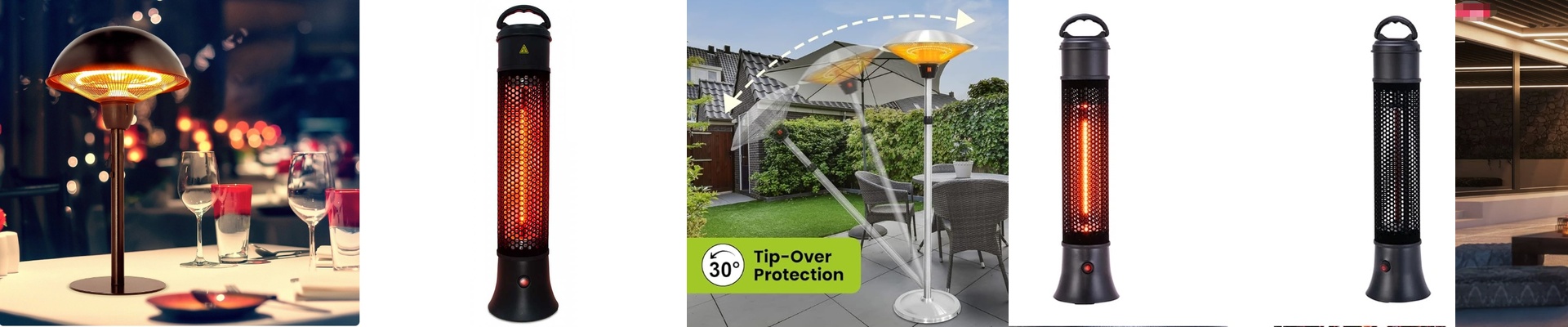
Engineering the Ultra-High-Temperature Curing Process
We built this custom infrared heating lamp for one reason: to cure those deep, anti-reflective coatings on special fireproof glass. The trick is getting the heat intense enough to penetrate the coating, but fast enough to leave the glass itself untouched. Our system is built for power. It runs on 400V because that’s what it takes to cram the necessary energy into a 300mm tube and hit that target temperature profile. The wattage is tuned for pure heat density. This isn’t some gentle heater. It’s designed to run hot and hard. That power comes with a trade-off, though. Running this hot throws off serious heat, and that heat has to go somewhere. It puts a real strain on the surrounding equipment. So, you need to make sure your cooling system is up to the task. If it’s not, the ambient heat will build up fast.
The Material Science Behind the Heat
We chose a halogen-based quartz tube because it can handle the shock of heating up and cooling down over and over again. The tube itself is coated, and that’s not just for looks. The coating stops energy from reflecting away, which means more of the wattage gets focused right where it needs to be—on the glass. And the connector? It’s critical. We use an R7s base for a solid, high-temp connection that won’t loosen or degrade. It lets you wire the lamp up quickly and holds the load without arcing or voltage drop, even after thousands of cycles.
Application: Matching the Glass and the Coating
This isn’t about heating any old glass. It’s about hitting a specific thermal profile for a very particular type of glass. Standard heating elements just can’t deliver the focused heat needed for deep curing. Our lamp is engineered to be a direct, drop-in replacement for the standard systems already in glass processing lines. The payoff is a process you can trust. The lamp hits those ultra-high temperatures, cures the coating to the right depth, and keeps the output consistent. It handles the constant cycling without burning out or fading. For the engineer on the floor, that means fewer headaches and more uptime. This lamp was built to take the beating of a real industrial environment, all while delivering the exact heat signature your coating needs.
Technical Deep-Dive: Power and Voltage Specifications
We spec’d the lamp at 400V because that voltage is necessary to pack the required wattage into a compact 300mm footprint. The power density is high, which means the lamp gets to target temperature fast, cutting down on cycle time. This voltage choice makes it easier to integrate into existing high-voltage control panels, but it also means you need proper insulation and clearance in your wiring. You have to account for the heat load on the socket and the wiring harness. The R7s connector handles the high current without overheating, but the components around it need to be just as tough. Bottom line: this isn’t a low-voltage solution, and you can’t treat it like one. Think of it as a high-energy tool that demands a properly engineered thermal and electrical environment.
Material and Design: Why Coating and Halogen Matter
The anti-reflective coating on the quartz tube is pure function. It cuts down on energy loss by reducing reflection, which means more usable heat hits the target surface. Without it, you’re just throwing wattage into the surrounding air. The halogen element inside keeps the output stable across the whole operating range. It resists the burnout that comes from repeated thermal cycling, which is a common failure point in glass coating operations. The R7s base ensures the connection—both mechanical and electrical—can survive the heat. Put it all together—coated quartz, a halogen element, and an R7s base—and you get a heating unit that can handle the repeated stress of industrial use.
Application and Performance in Special Glass Curing
In the real world, this lamp was made for special fireproof glass with anti-reflective coatings. The process needs deep penetration at ultra-high temperatures, and our lamp delivers that without overshooting and cracking the glass. It fits right into existing lines as a drop-in replacement, giving you the thermal control needed to meet coating specs, day after day. The result is a stable process, fewer rejects, and predictable maintenance intervals. This lamp wasn’t engineered for a lab. It was engineered for the shop floor, to handle the heat, the cycling, and the power demands of real production.
Power Density and Thermal Load Realities
The lamp’s power density is high by design. It’s the only way to hit the curing temperature within the required time. That means a lot of heat coming from a small footprint. And that heat has to go somewhere. Your machine’s cooling system needs to be sized to handle it. If the cooling is underpowered, the ambient temperature climbs, and the lamp’s lifespan plummets. Plan for airflow and heat dissipation. Treat the lamp as part of a thermal system, not just a standalone bulb.
Installation and Integration Notes
We made this lamp as easy to integrate as possible. The R7s base lets you swap it out in seconds without rewiring the whole fixture. The 300mm length fits standard fixtures, making it a true drop-in replacement. Just double-check that your control panel supports 400V input and that the socket is rated for the operating temperature. The lamp runs hot, and the socket has to be able to match that. Also, check your thermal insulation. The lamp needs some breathing room to radiate effectively without cooking the components nearby.
Maintenance and Longevity Expectations
Halogen elements are tough, but they’re not invincible. The lamp is built to handle repeated thermal cycling, but the environment matters. A lot of ambient heat will accelerate wear. You can expect consistent output for thousands of hours, as long as the cooling is managed properly. The anti-reflective coating stays stable under normal conditions, so the efficiency holds up. When the lamp finally reaches the end of its life, the R7s base makes replacement a snap. Keep a spare on hand to minimize downtime.
Key Technical Specifications
- Voltage: 400V
- Length: 300mm
- Technology: Halogen infrared
- Coating: Anti-reflective
- Connector: R7s
- Application: Ultra-high-temperature curing of anti-reflective coatings on special fireproof glass These specs aren’t just numbers on a page. They’re engineered to deliver the heat density needed for deep curing.
Why This Configuration Works for Special Glass
Special fireproof glass needs a very specific thermal profile. The coating has to cure deep, but the glass itself has to stay intact. Our lamp hits that profile by combining high voltage, focused infrared output, and a coated tube that keeps the energy on target. The halogen element provides stable heat, and the R7s base keeps the connection rock solid. Together, they create a system that meets the spec and holds up on the line. This isn’t a general-purpose heater. It’s a tool built for a specific job, and it performs when the conditions are right.
Real-World Performance and Process Control
On the production floor, this lamp gives you repeatable temperature control. That means consistent coating quality. Its ultra-high-temperature capability allows for deep curing without making you wait around. The lamp maintains its output stability across cycles, which cuts down on variation in coating thickness and adhesion. The result is a process that consistently meets spec. This lamp is for engineers who need predictable performance, not guesswork. It delivers the heat, and the process delivers the results.
Final Engineering Notes
This lamp is engineered for one thing: ultra-high-temperature curing of anti-reflective coatings on special fireproof glass. It uses a halogen infrared element in a coated quartz tube, powered at 400V, in a 300mm length, with an R7s connector. It delivers the heat density needed for deep curing. It integrates easily into existing lines. It holds up under industrial use. Just make sure your cooling and electrical systems are matched to the lamp. That’s the key to getting the performance you need.