Introduction
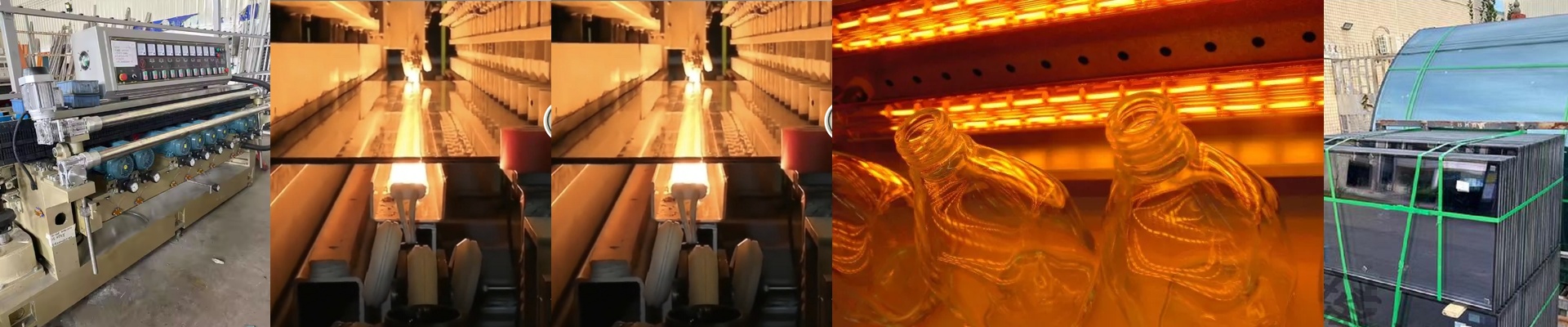
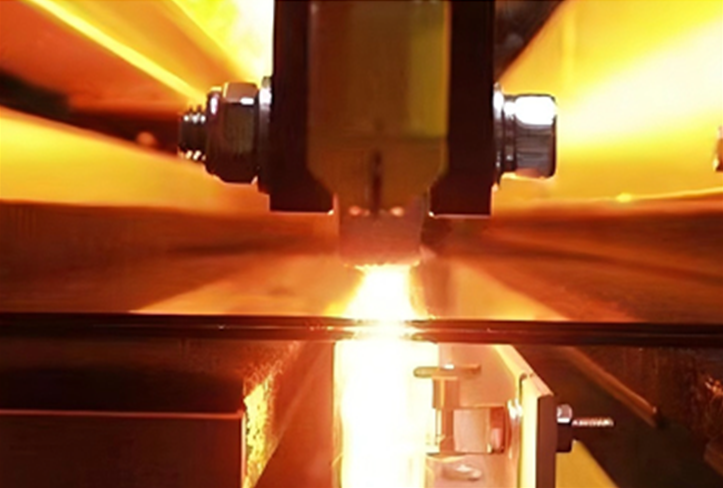
Picture this: you’re on the coating line, and there’s one job that just won’t bend. Drying Low-E glass coatings without a speck of contamination. One tiny particle, and you’re scrapping product, wasting time, and reworking the whole run. That’s exactly why we built our infrared heating lamps. They’re fully sealed, and they’re built for one thing—keeping the heat exactly where it needs to be and keeping the mess far, far away from your glass.
The Power Behind the Heat
Here’s the heart of it. We run these lamps on a 400V high-voltage design, pushing out 2500W of power in a 300mm tube. Why that specific combo? Because we needed to pack a serious punch into a small space. High voltage means lower current, which in turn keeps the internal wiring clean and simple. And that 300mm length? It lets you focus all that energy right on the coating, so you’re drying the target zone without turning the whole chamber into an oven. Just a heads-up, though. That kind of power density means your machine’s cooling and airflow need to be on point. If the area around the lamp runs too hot, the output can dip.
Built to Last in a Tough Environment
We chose a quartz tube with a halogen fill for a reason. It handles high temperatures like a champ and responds instantly when you need the heat. But the real hero here is the fully sealed construction. It’s a fortress. It blocks dust, overspray, and anything else from getting at the filament and reflector. In environments that would kill a normal open-face heater in no time, these lamps just keep going. And the R7s connector? That’s not just a random choice. It’s a standard, two-pin ceramic connection that can take the heat and locks in place securely. On a busy coating line, you need a lamp that wires up fast and stays perfectly aligned.
Clean Heat, Consistent Results
When you’re drying Low-E glass coatings, the goal is simple: a perfect cure, zero particles. Our sealed infrared lamps deliver that clean heat. The energy hits the coating directly, with minimal air movement to kick up powder. The payoff? Fewer contamination scares, a steady temperature across the glass, and line speeds you can actually count on. For the folks running the line, it means fewer lamp swaps, less maintenance, and a dryer that acts like a dependable part of the process—not another headache.