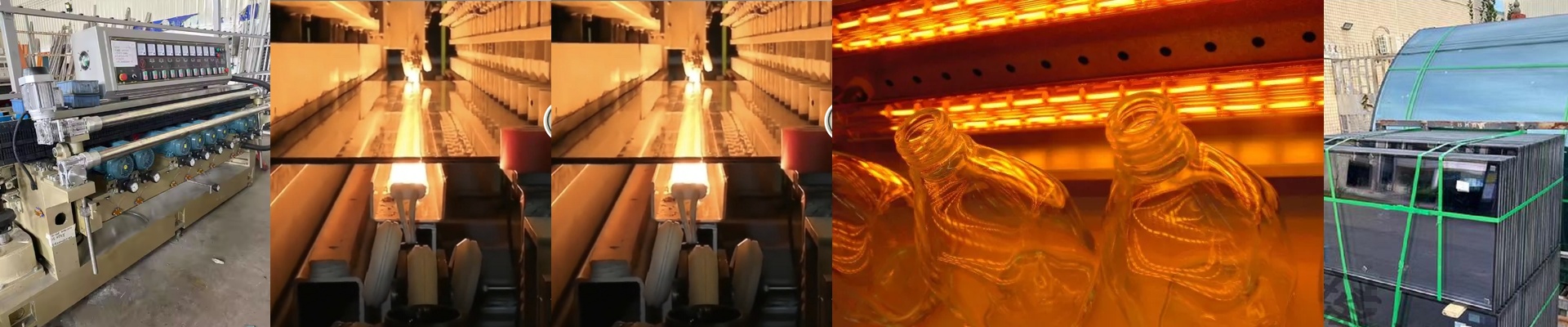

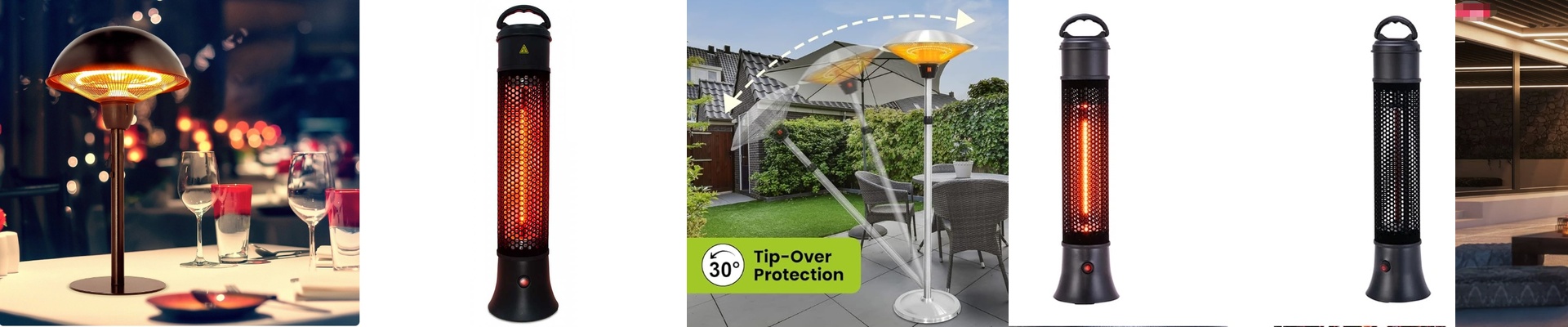

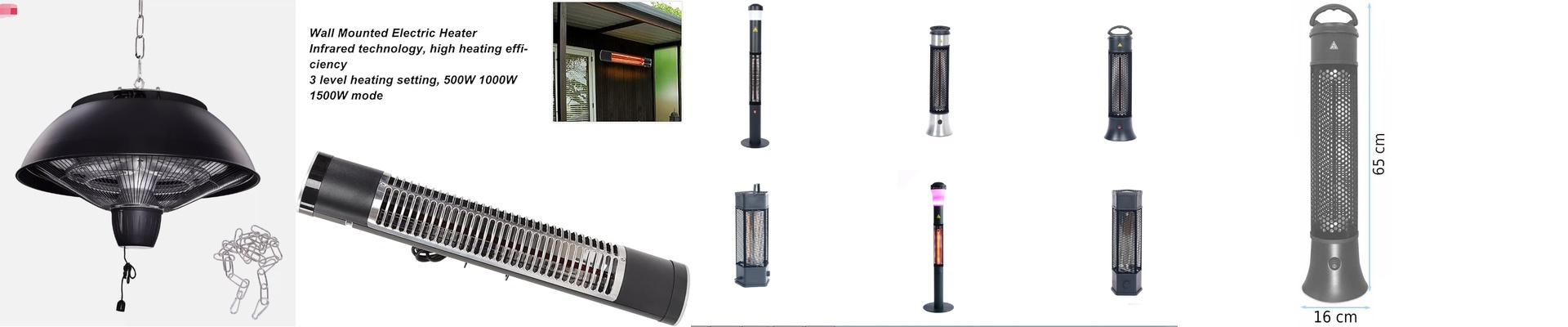
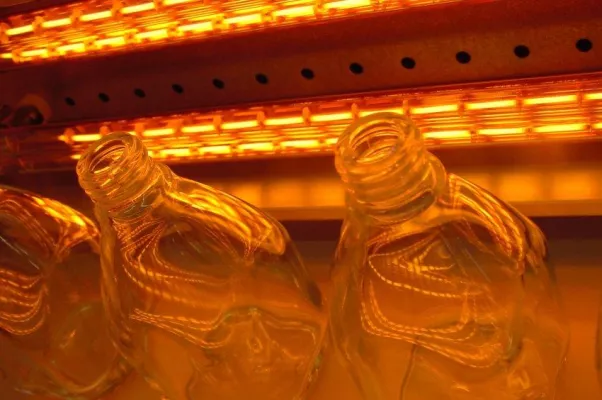
On the glass line, heat isn’t just heat—it’s control. When the heating lamps don’t pull their weight, you see it right away: uneven temperature across the sheet, thermal stress that cracks tempered parts, and slow recovery after a bending cycle. That wastes energy, burns time, and throws away good glass. What matters under the hood Our wholesale glass heating lamps are near-infrared (NIR) emitters in quartz envelopes, chosen for fast response and stable output. The spectrum is tuned to couple hard with glass, while wasting less heat on convection heating of air and fixtures. In practice, you get quicker heat-up, tighter soak control, and a repeatable thermal profile across the batch. These units are built for industrial duty—high-temperature wiring, solid ceramic mounts, and standardized terminals so they drop into existing fixtures without reworking the machine footprint. In tempering and bending, cycle time is money, and temperature uniformity is yield. The lamp’s fast response shortens the heating segment, so the furnace or oven runs shorter cycles without sacrificing quality. Tighter control cuts edge stress and optical distortion, which directly improves first-pass acceptance. Energy use drops because the emitter delivers heat where it’s needed, on demand, instead of holding a big thermal mass. Maintenance costs fall, too—fewer lamp changes, fewer stops to fix hot spots, and less downtime chasing drift. Here’s the catch: NIR heating is line-of-sight, so reflector alignment and clean surfaces matter. Dust on the lamp body and reflectors scatters energy and creates non-uniformity. Build a simple cleaning and inspection routine into your scheduled stops. Also, before you order, confirm your fixture voltage and mounting dimensions. A mismatch on connections will slow the swap and cost you uptime.