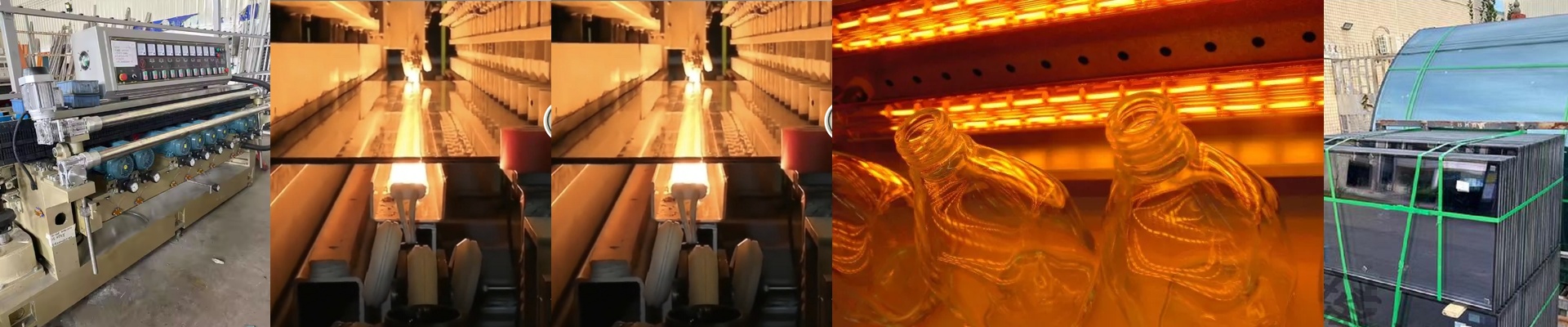
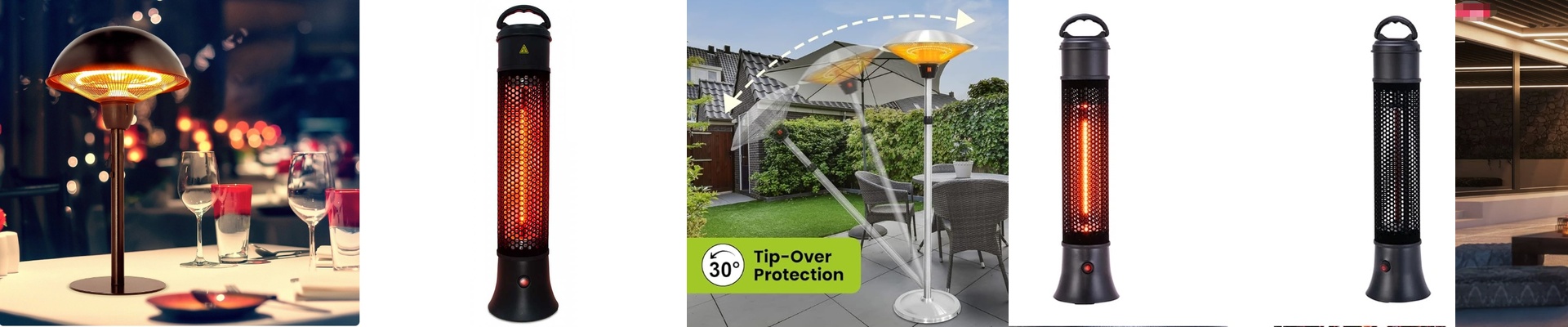
On the line, transfer-printed glass doesn’t sit around waiting. If the dryer can’t keep up, you’re dealing with solvent carryover, mottled color, and adhesion that fails after bending or tempering. So we built the transfer-printing dryer around one simple idea: get controlled, repeatable heat right where the ink needs to set. What matters under the hood is straightforward. We run near-infrared (NIR) heating modules with fast-response quartz emitters because glass soaks up radiant energy efficiently without scorching the surface. That gives you a tight thermal profile across the print zone and keeps differential expansion in check—important when you’re running pre-cut panes that can crack under thermal stress. Closed-loop temperature feedback holds setpoint even when line speed shifts. Power is sized to your conveyor width and dwell time, and the layout is meant to drop into existing coating and drying sections without tearing the line apart. Here’s why it fits real glass plant life. On tempering lines, you can stage it upstream so the printed layer is fully cured before the furnace—then the print survives the quench without distortion. On bending lines, it dries fast enough to keep the glass moving, so you don’t stall and push the batch temperature out of spec. In lamination workflows, it pulls out moisture and residual solvents before the autoclave, which cuts down on blisters and improves yield. Energy stays reasonable because NIR heats the print directly, not the air around it. And the modular design means you can service one zone without shutting down the whole oven. A couple of practical notes. The dryer works with most conveyor systems, but spacing and glass emissivity matter. Thin, low-e coatings can reflect energy, so we tune the spectral output and adjust emitter density to match. On install, make sure you have the electrical capacity and cooling for the control cabinet, and run a short ramp-up to map temperature uniformity across your typical pane sizes. Once it’s dialed in, you’ll see fewer rejects from poor drying—and a dryer that keeps pace with the rest of the process.