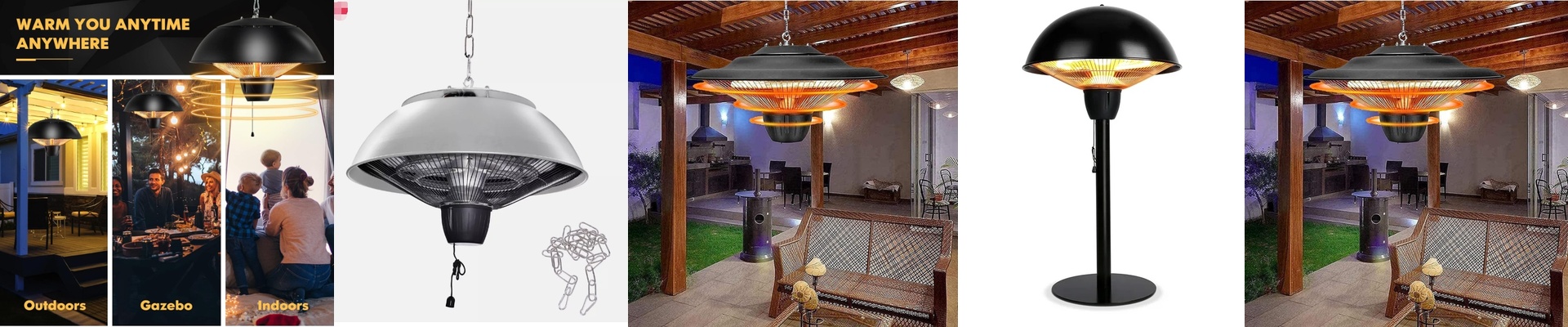
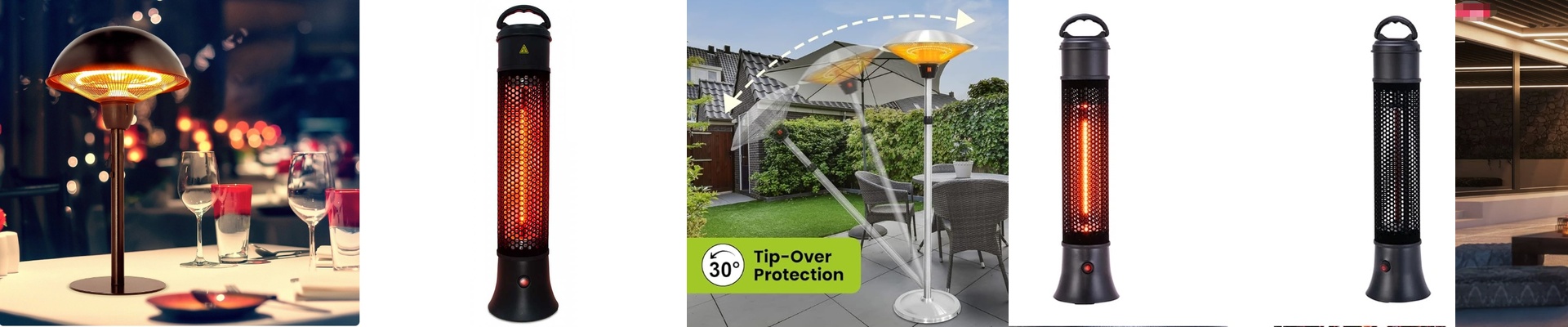
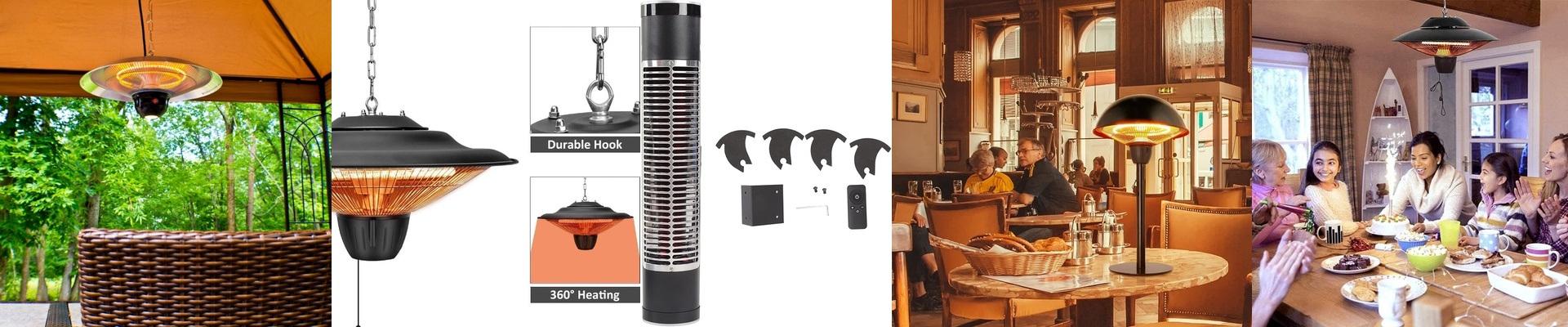
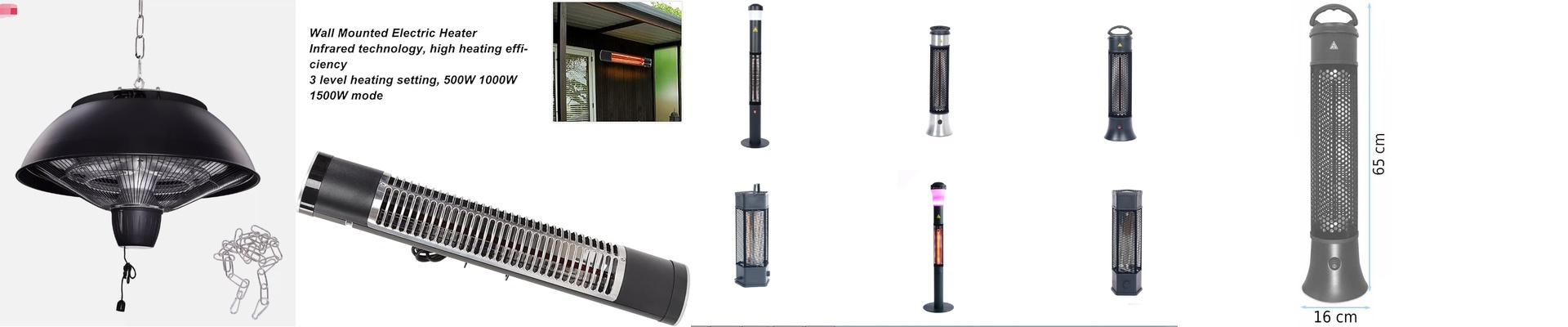
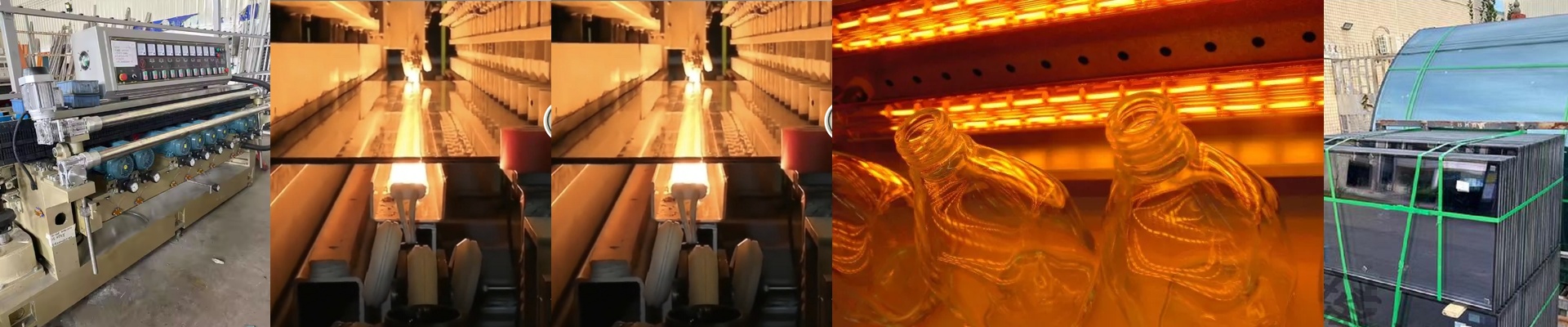
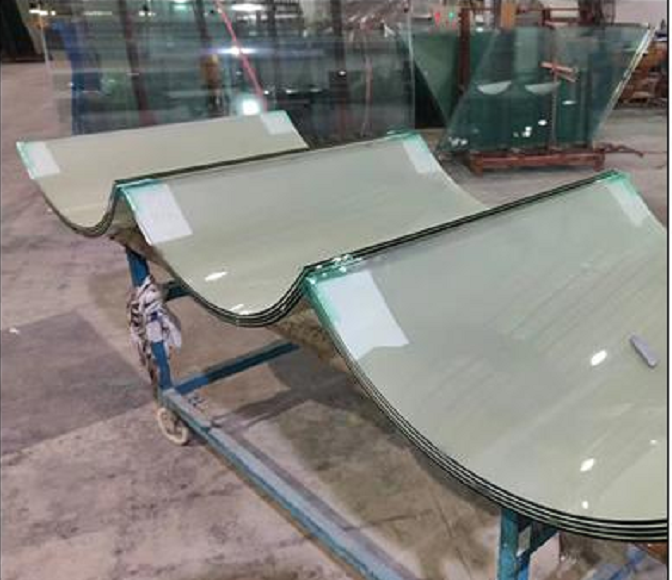
On the line, ovens in glass finishing don’t forgive uneven heat. A cold spot during annealing, a lag in the bending cycle, or a drift in the lamination ramp can push parts off spec—optical distortion, thermal stress, or even spontaneous fracture after tempering. You need heat that follows the process curve, not the other way around. We built the oven lamp around short-wave infrared (SWIR) quartz emitters, chosen for fast response and tight control of peak filament temperature. The payoff is rapid heat-up and clean, direct radiation that penetrates glass without overheating the air, which cuts down on convective gradients that create uneven thermal fields. Output is matched to industrial power supplies, with stable spectral density so emissivity coupling stays consistent across clear, coated, and tinted substrates. Internal reflectors shape the beam to fit the oven geometry, improving uniformity across the load. In tempering, the lamp gives you the fast, repeatable heating needed to hit quench entry temperature precisely—supporting consistent compression and reducing edge stress. In hot bending, it keeps the heat profile controlled, so the sag profile stays stable and optical distortion stays in check. For stress relief and annealing, the lamp’s low thermal inertia lets you run the prescribed ramp and soak without overshoot, which lowers scrap from thermal shock. In EVA/SGP/PVB lamination and insulating glass sealing, it heats fast enough to keep cycle time tight while avoiding edge seal breakdown from localized overheat. Energy use drops because you spend less time idling the oven waiting for the heat to settle. Installation is straightforward, but the lamp has to be positioned to match your oven’s airflow and load geometry; shielding against direct convection helps keep the emitter surface temperature stable. Expect a slightly higher initial cost than conventional elements, offset by longer service life and fewer lamp changes. For the best results, pair the lamp with a calibrated pyrometer and closed-loop control to keep the process window tight across shifts.