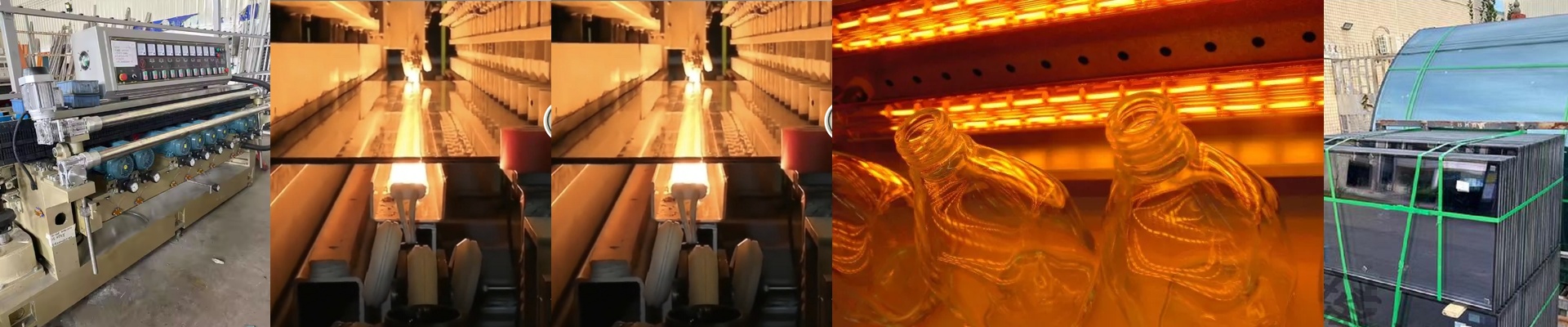
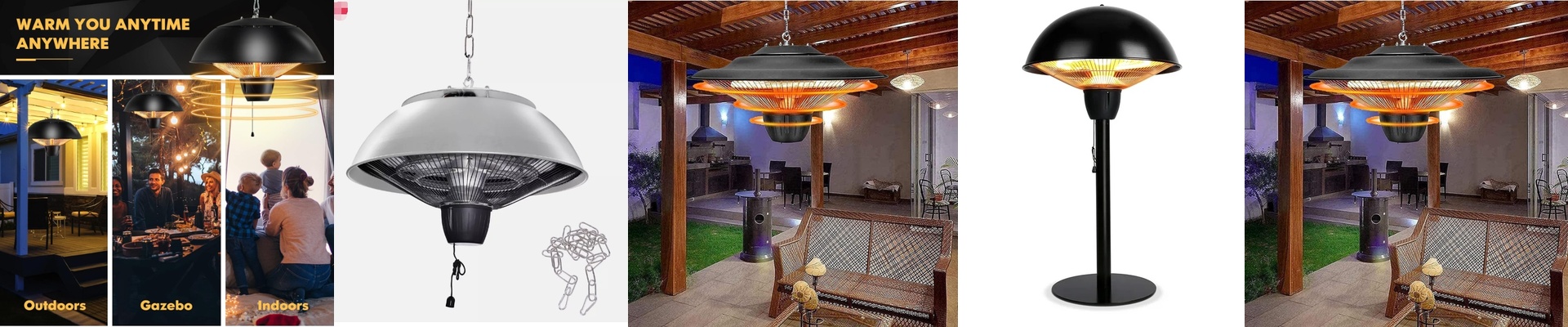
On the line, a windshield scratch or a cracked display lens doesn’t care about your schedule. When you’ve got to reflow adhesive, clean up a lamination edge, or stabilize a small run of tempered parts, you need heat that hits the right spot—period—without bleeding into everything around it. A lab glass repair heating lamp is built for exactly that kind of control. What matters, under the hood We run a short-wave quartz infrared emitter, because it responds fast and keeps the spot tight. Power density is tuned for glass repair work—typically 300–600 W/in²—so you get a quick ramp without overshoot. The filament geometry and reflector setup are matched to a small focal zone, so you’re heating the repair patch, not the whole part. Repeatable heat in seconds, minimal convection disturbance, and low radiated losses. Why this works in glass processing Thermal gradients will sink you faster than anything. A wide or drifting heat pattern creates local stress, and then you’re chasing micro-cracks instead of making parts. This lamp keeps the energy concentrated, which helps you get uniform adhesive flow during EVA/SGP/PVB rework and keeps edge stress in check during localized annealing touch-ups. Fewer rejects, less rework, and a repair cycle that fits between production runs. Here’s what to keep straight Most lines already have a heating station—whether it’s for lamination, coating drying, or insulating glass sealing—so we make compatibility the default: mounting options, interchangeable connectors, and a pre-aligned beam geometry for drop-in replacement. Installation is straightforward, but the lamp output is sensitive to distance and alignment. Set the working gap once, document it, and stick to it. That discipline is what turns a capable lamp into a process you can count on.