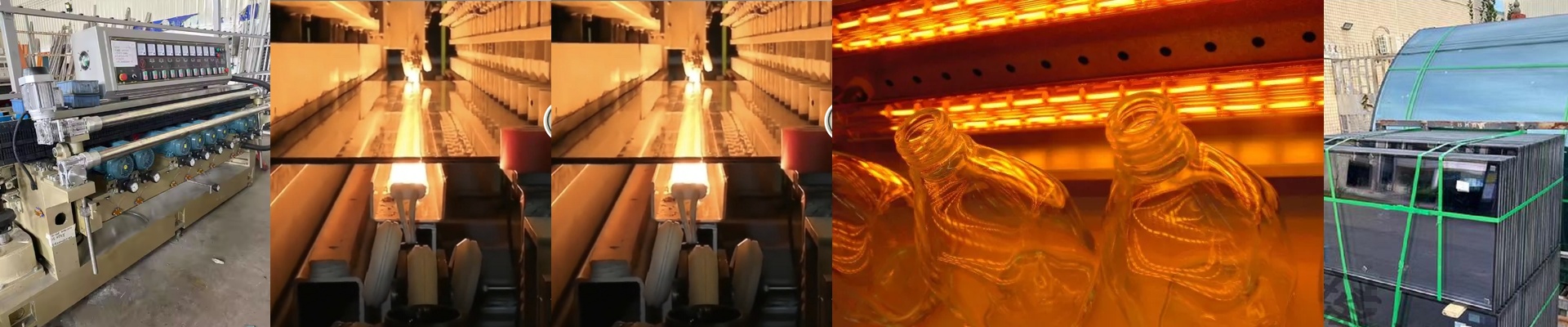
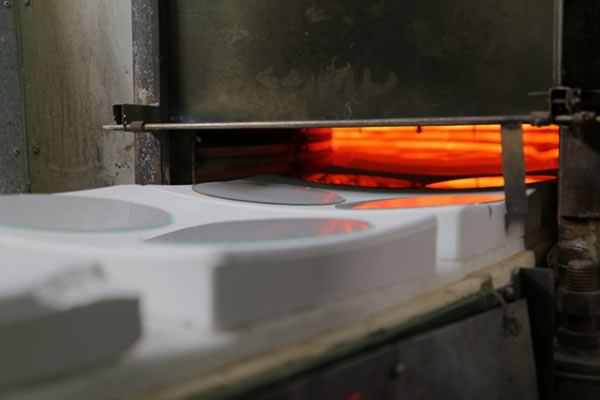
On the shop floor, the bending furnace is usually the bottleneck when heat distribution starts to drift. One cold spot, one overheated edge, and you’re staring at warp, optical distortion, or stress fractures after tempering. The tempered glass bending heater we build is built to pull the thermal field back under control, so your shaping cycle repeats with predictable geometry and glass that behaves the same run after run. What matters under the hood We run short-wave infrared quartz emitters because they deliver fast, direct radiation into the glass, and the spectral control is tight enough to play to the material’s emissivity without cooking the surroundings. The heater face is engineered for uniform power density, so temperature across the glass surface stays even. Typical modules run on 480 V three-phase, deliver 20–60 kW depending on glass size and cycle, and mount as a drop-in replacement for standard OEM footprints. Heat-up is quick—full operating temperature in minutes—and control stays stable enough to hold setpoint within tight tolerances through repeated heating ramps. Why it fits the work we do In hot bending, you need a fast, uniform soak to hit the target radius without cooking in thermal stress. In tempering preheat, consistency is what makes the quench stage give you uniform surface compression. For EVA/SGP/PVB lamination curing and coating drying, you need controlled heat that penetrates evenly without scorching edges or trapping solvents. This heater gives you that repeatability, shortens heating time, and cuts scrap caused by uneven temperature. The payoff is more good parts per shift and less rework from optical defects and breakage. What to keep in mind on the line Installation is straightforward on standard frames, but the heater performs best when the gap to the glass is set—and held—within the specified range. Keep the emitters clean and check quartz integrity regularly; heavy dust or oil films will throw off energy delivery. And because the system heats rapidly, the control strategy has to match your glass thickness and cycle. Thin glass needs a softer ramp than thick stacks. Plan your ramp rates and soak times up front, and the unit will run with fewer tweaks and fewer surprises.