
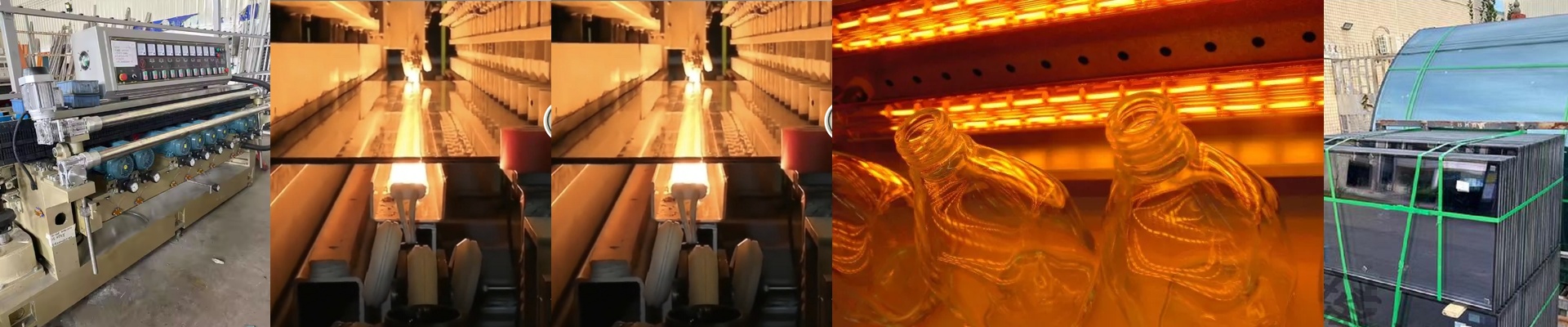
Out on the line, glass either heats clean and fast—or it cracks. Uneven heat across the bed? You’ll spend your day chasing bow, roller wave, and thermal stress fractures. Convection ovens will drag your cycle time out and run your energy numbers up, and short-cycle tempering plus lamination don’t leave room for slow ramp-ups. You need heat that hits hard, holds steady, and lands right where you want it. Bulk infrared bulbs for glass deliver that kind of control at production scale. Here’s the part that matters: the physics, not the sales pitch. Infrared heating transfers energy straight into the glass, bypassing the air and cutting convection losses. Quartz halogen and NIR emitters respond fast—ramp-up is seconds, not minutes—so your furnace or bending station can jump to setpoint quickly and stay there. Uniform heat across the emitting face keeps hot spots and edge losses in check, which helps you hold flatness tolerances and reduce scrap. Directionality means you’re heating the glass, not the plant, and that shows up as a lower kWh per square meter. It comes down to production math. In tempering, a faster heat-up shortens the total cycle, so you push more throughput without cranking up the whole oven cavity temperature. In lamination, consistent surface temperature improves adhesive flow and cuts bubbles, giving you repeatable optical clarity. For coating and drying, even, controlled heat reduces pinholes and haze, and it lets you keep line speed up. Energy use drops because the bulbs heat the load, not the room, and lamp life holds up under duty cycles that would cook conventional elements. A practical heads-up: infrared bulbs are fussy about mounting and reflector geometry. Alignment and focal distance set your spot size and uniformity, and mismatched reflectors will create hot zones. Match voltage, connector type, and envelope dimensions to your OEM module footprint. Expect shorter lamp life under high inrush and rapid cycling—plan preventive replacement intervals so you don’t get blindsided by unplanned downtime.