


Stop Heating Your Ceiling: A Smarter Way to Warm the Shop
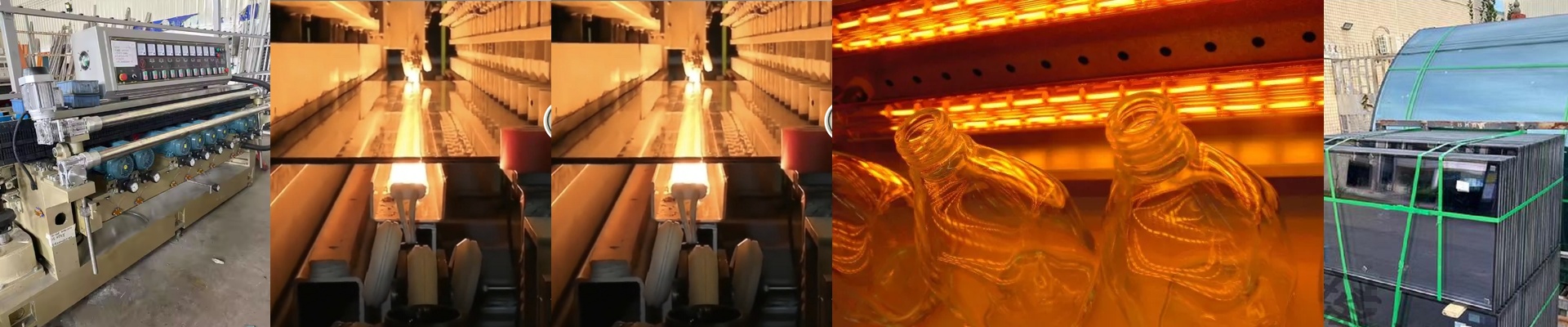
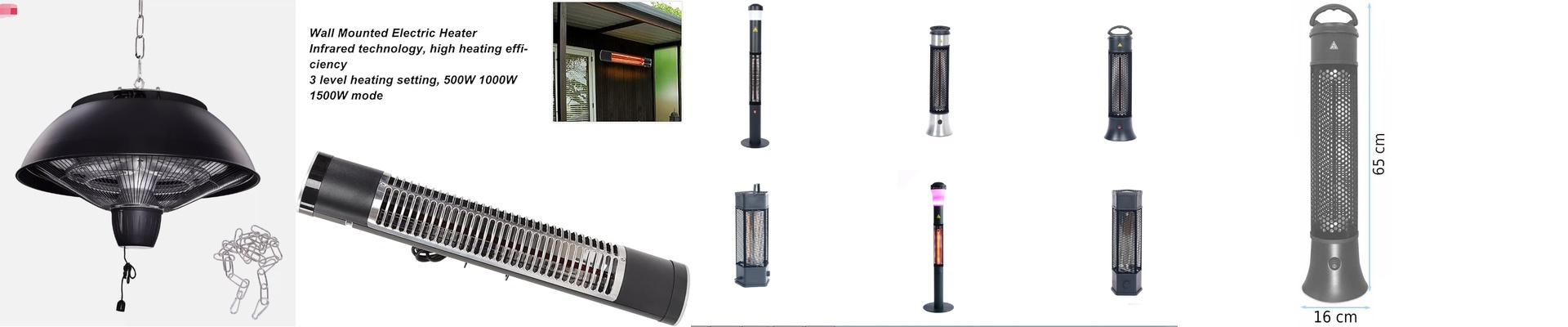
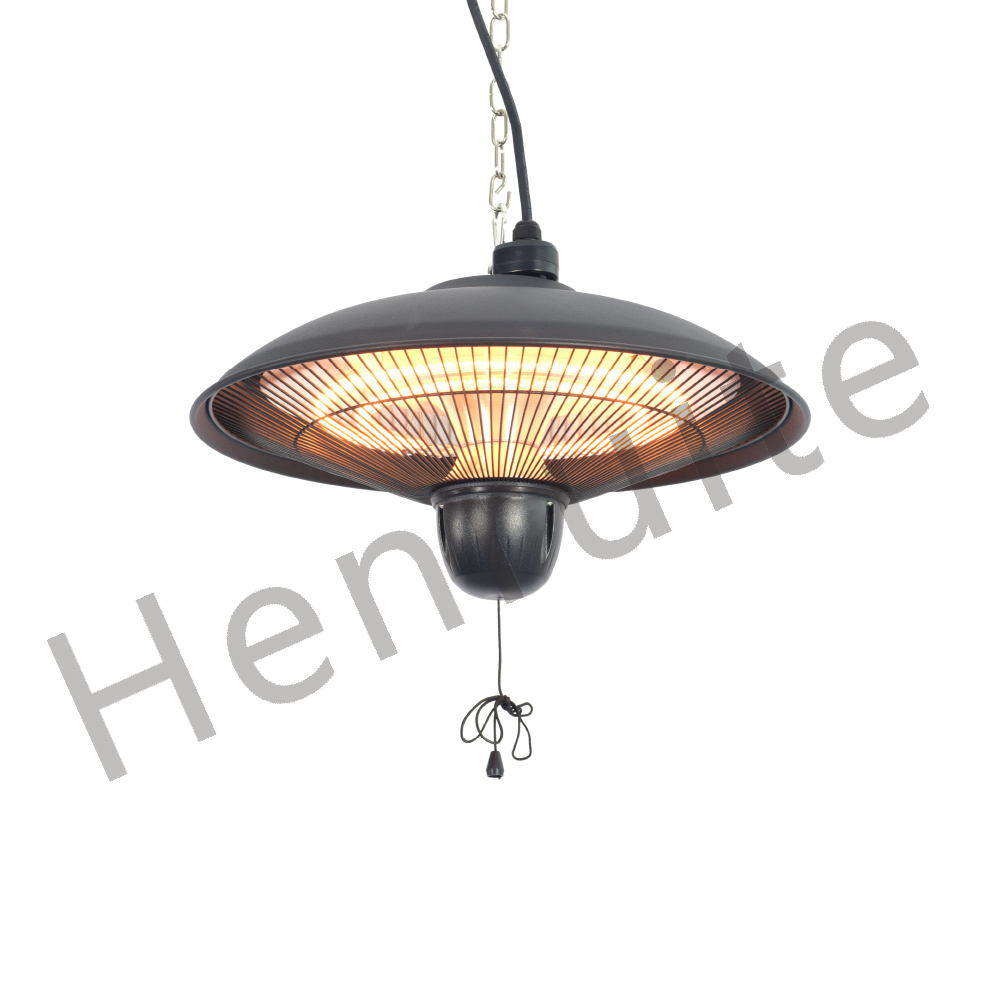
If you’ve ever tried to heat a factory with high ceilings, you know the struggle. You crank up the forced-air heat, but all that warmth just floats straight to the rafters. Meanwhile, your team is down on the floor, shivering in a cold zone. It’s a waste of money and a headache for everyone. That’s why we use infrared (IR) radiators. Instead of trying to warm the air, they beam heat directly onto the floor and the people working there. It’s a much more direct approach. Making it “Smart” Now, you don’t want these things running 24/7 in an empty bay. That’s just burning cash. The trick is to tie the heaters into a central hub—think of it like a smart home setup, but for a warehouse. By using things like Modbus or Zigbee, you can flip the heat on with a single tap on your phone or a PLC. No more trekking across the shop to fiddle with high-voltage switches on a dusty panel. How it actually works We use shortwave or medium-wave IR elements. These things are fast. Really fast. They hit operating temperature in seconds. The secret sauce, though, is where we put the sensors. Most people put thermostats on the wall or near the ceiling. We put them right where the workers are. When the floor hits 20°C, the system just dials itself back. It’s a simple loop that keeps things comfortable without overdoing it. One big “Gotcha” Here is the thing: instant heat requires a massive amount of power. If you use an app to trigger ten 5kW heaters at the exact same millisecond, you’re probably going to trip a breaker and plunge the whole place into darkness. Not ideal. To fix this, we program a “staggered start.” The heaters fire up in 2-second intervals. It smooths out the power spike and keeps your electrical board happy. A few tips for the install Check your wiring. These loads are heavy, so don’t cut corners. Also, if your heaters are running next to big, noisy machinery, use shielded cables. Otherwise, the electrical noise can mess with your smart sensors and make the system act flaky. And finally, don’t just mount them flat. Angle the brackets so the heat actually hits the work zone. It makes a world of difference.