


Stop the Bathroom Mold Battle (With a Little Help From Science)
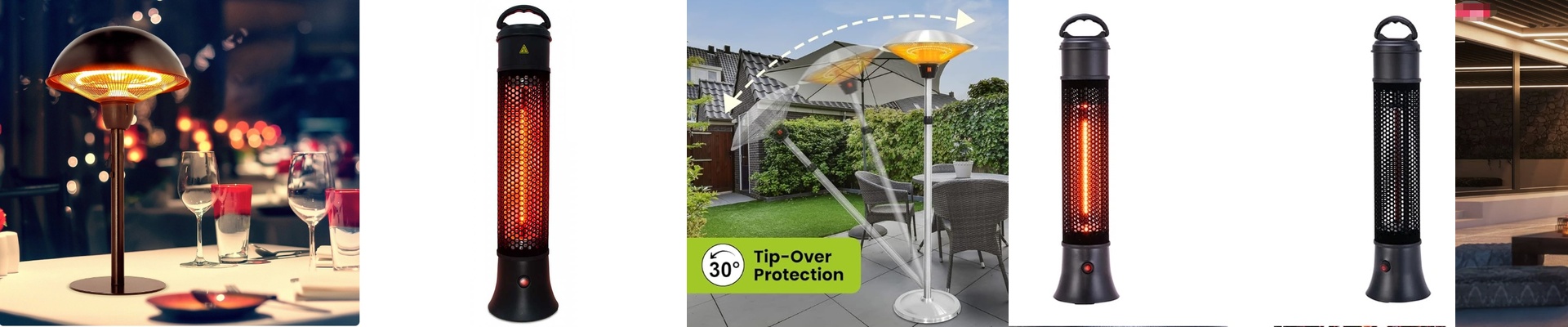
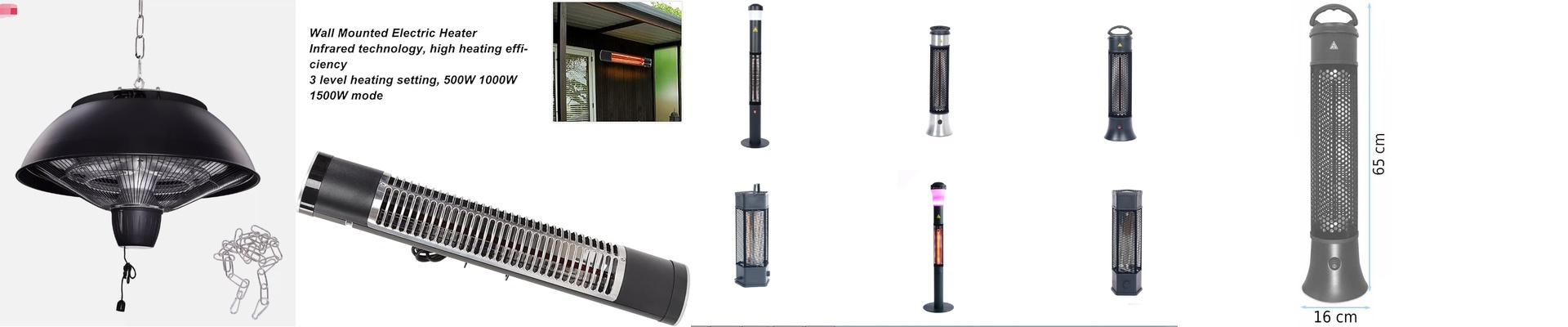
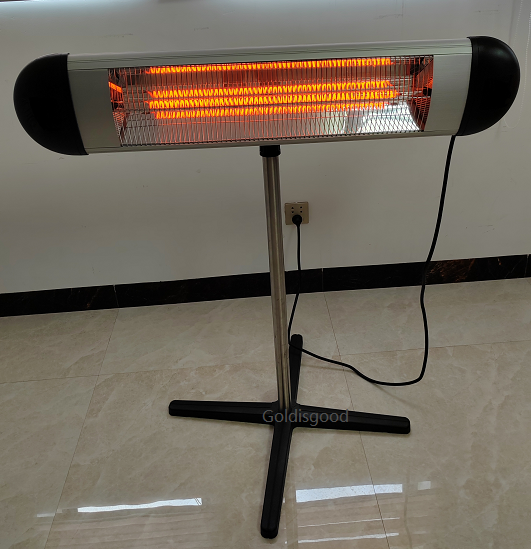
Most people think of bathroom heaters as just a way to keep from shivering while you get dressed. But if you look at it from an engineering perspective, an IP65-rated infrared heater is actually a secret weapon for fighting moisture. We built these things specifically for the kind of humid chaos where a normal heater would just short out and die.
Why infrared is different
Here’s the thing about standard heaters: they just warm up the air. That usually just pushes the steam into the corners of your room, which is exactly where mold loves to hang out. We do things differently. We use short-wave infrared. Instead of heating the air, this energy goes straight for the water molecules. When it hits a damp wall or a ceiling tile, it cranks up the surface temperature almost instantly. That forces the water to evaporate right then and there. Mold needs two things to survive: cool surfaces and dampness. By keeping the walls warm, you’re basically taking away its home.
Built to survive the steam
Steam is brutal on electronics. It gets everywhere. That’s why we stick to IP65 standards. In plain English? The housing is dust-tight and can handle water jets without breaking a sweat. We use sealed gaskets and alloys that won’t rust, so the chassis doesn’t turn into a flaky mess after a few years in a steamy bathroom. One quick heads-up: make sure your wiring is up to the task. These lamps pack a lot of heat, and if you’re using cheap, old wiring that isn’t rated for a continuous load, you’re going to have a bad time. Get it grounded properly.
The reality check
Short-wave IR is fast. Really fast. It heats you and the walls, not the air around you. The downside? Once you flip the switch off, the room cools down quickly. Because of that, this isn’t a replacement for your exhaust fan. You still need that fan to pull the moist air out of the house. But using an infrared heater alongside your ventilation solves that “cold wall” problem that causes condensation in the first place. Use both, and you can finally stop scrubbing mold off your ceiling.