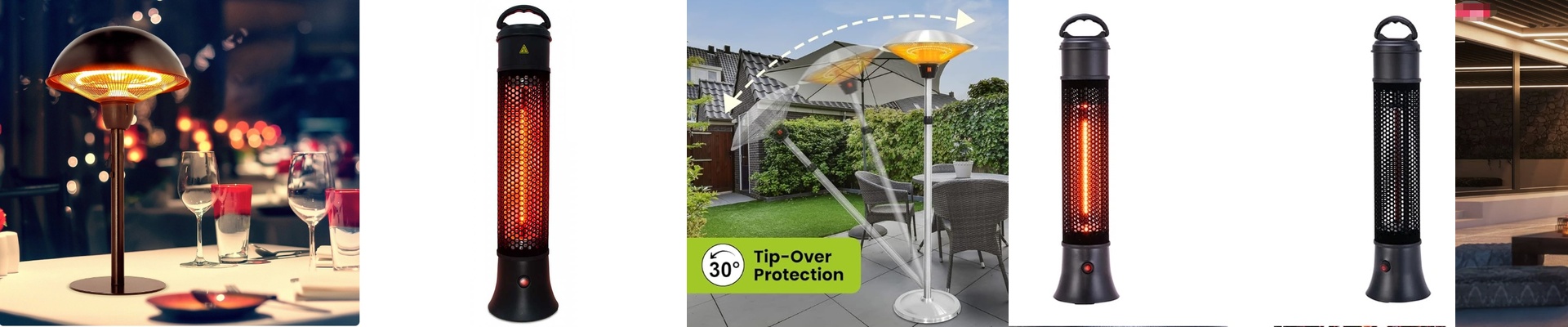
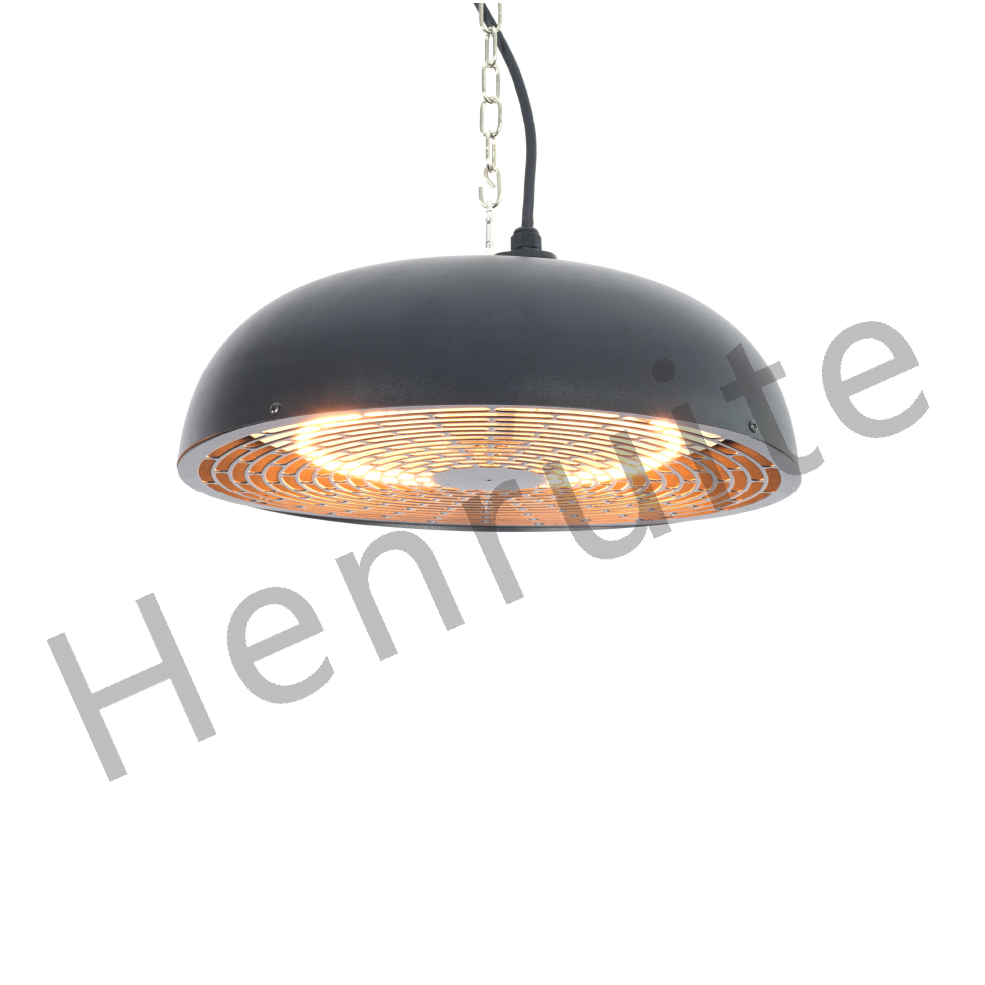
Why We Obsess Over IP44 Waterproofing for Our Heating Tables
If you’ve ever worked in a heavy industrial shop, you know the drill. It’s never clean. There’s always steam hanging in the air, a random mist of coolant, or the occasional splash that lands exactly where it shouldn’t. When that gunk gets into a heating table, things go south fast. Water hits the electrical terminals or the heating elements, and suddenly you’re dealing with a short circuit or a burnt-out unit. It’s a headache nobody needs.
Keeping the Bad Stuff Out
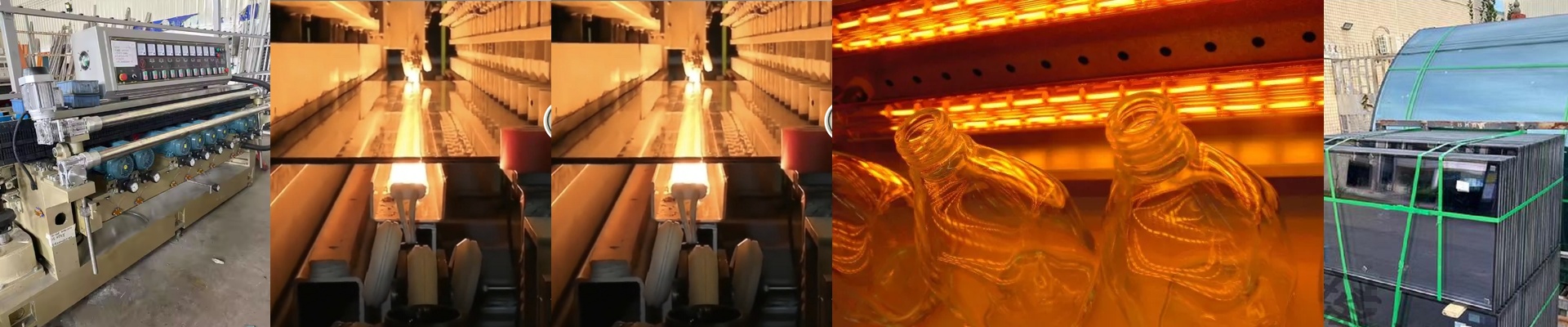
When we talk about an IP44 rating, we’re basically saying the machine can handle its own. It keeps out solid bits larger than 1mm and—more importantly—it doesn’t care if water splashes at it from any angle. We make this happen with heavy-duty housing gaskets and moisture-resistant cable glands. It’s a simple approach, but it keeps the internal wiring bone-dry. Then there’s the fog. Condensation is a silent killer for infrared lamps. If a tiny droplet of water lands on a scorching hot quartz glass lamp, the thermal shock can crack the glass instantly.Snap. To stop that, we use specialized seals to isolate the air inside. No moisture means no droplets, which means your lamps actually stay in one piece.
What This Means for Your Bottom Line
Here is the real-world benefit: your gear lasts longer. When water leaks in, you get oxidation on the terminals. That leads to corrosion, which creates these nasty little hotspots. Those hotspots can melt your wiring or pop a fuse right in the middle of a shift. By keeping the insides dry, the electricity flows smoothly. You aren’t replacing lamps because of some random splash; you’re only replacing them when they’ve actually hit their natural expiration date.That’s a lot less downtime.
The Trade-off (Because Nothing is Perfect)
Now, full disclosure: waterproofing adds some bulk. Because the housing is enclosed and sealed tight, you don’t get the same natural airflow as an open-frame heater. You’ll want to double-check your ventilation setup. If the control electronics get trapped in there without a way to breathe, they can overheat and trip the thermal cutout. Just make sure your airflow is dialed in, and you’re good to go.