Keeping Bathrooms Warm Without Blinding Your Guests
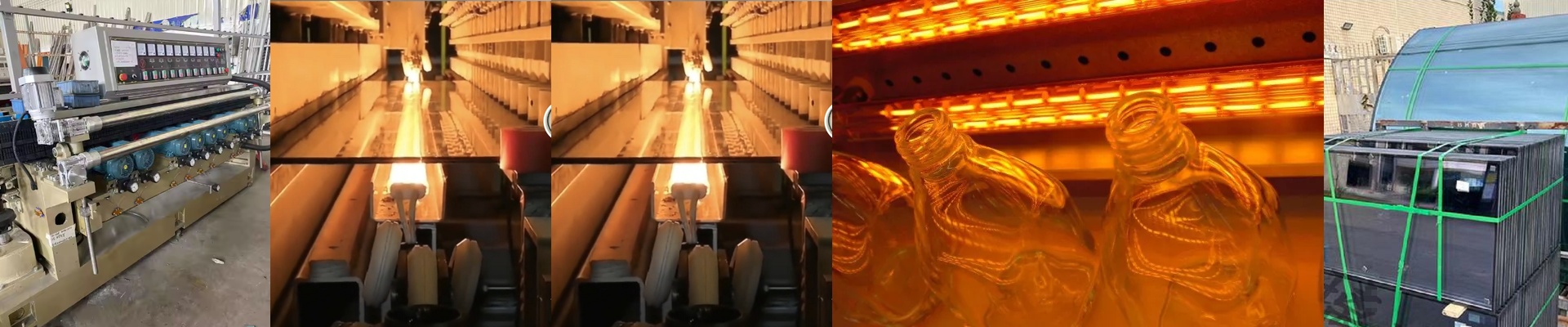
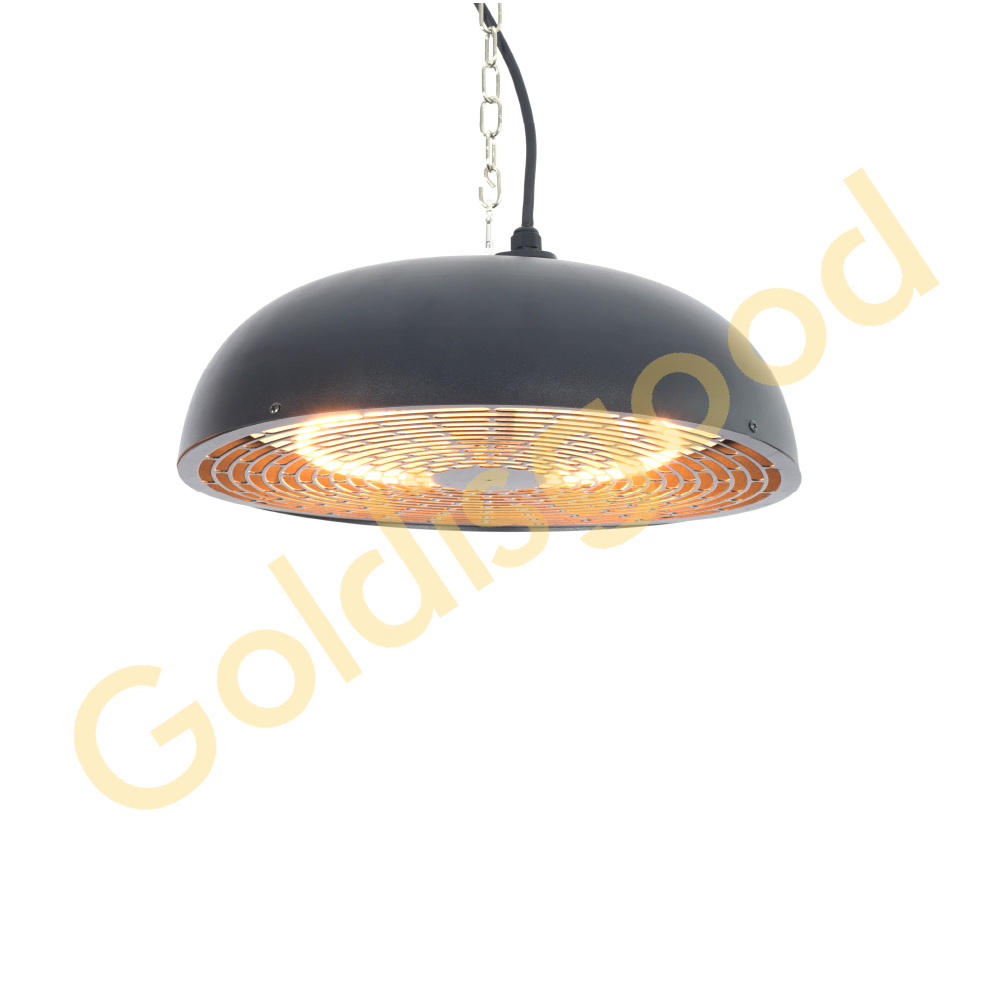
Putting an infrared heater in a bathroom is a bit of a balancing act. You want that immediate, cozy heat—especially when you’re stepping out of a shower—but you don’t want it to feel like you’re staring directly into a stadium floodlight. It’s especially important for kids or babies who have much more sensitive eyes than we do. Taming the glare Standard infrared lamps are bright. Like, really bright. They pump out a lot of visible light along with the heat. To fix this, we use special coatings and doped quartz glass. Think of it like putting a pair of sunglasses on the bulb. It filters out those harsh, blinding wavelengths but lets the warmth through. You still get the heat, but you won’t feel like your retinas are being seared every time you turn the light on. Dealing with the steam Now, mixing electricity and water is always a nerve-wracking job. That’s why we use IP65-rated housings. We’re talking high-temperature silicone gaskets that seal everything tight so steam and splashes can’t get to the wiring. But here’s the catch: if you seal a box too tight, the heat has nowhere to go. It’s like wearing a parka in July. To stop the internals from melting down, we use heavy-duty aluminum heat sinks. They pull the heat away from the wires and keep the whole system from overheating. The reality of the install We’ve made these as simple as possible. They’re designed to just slide right into the spot where your old bathroom fixtures lived, using standard connectors so you aren’t fighting with the wiring all afternoon. There is one little trade-off, though. Because we’re filtering the light to keep your eyes safe, you lose a tiny bit of heating efficiency. It’s a small price to pay for not blinding yourself. One last tip: check your circuit breaker. These units pull a fair amount of power when they first kick on, and you don’t want to be standing in a cold bathroom because you tripped a switch.