

Making Your Outdoor Heaters Actually Smart
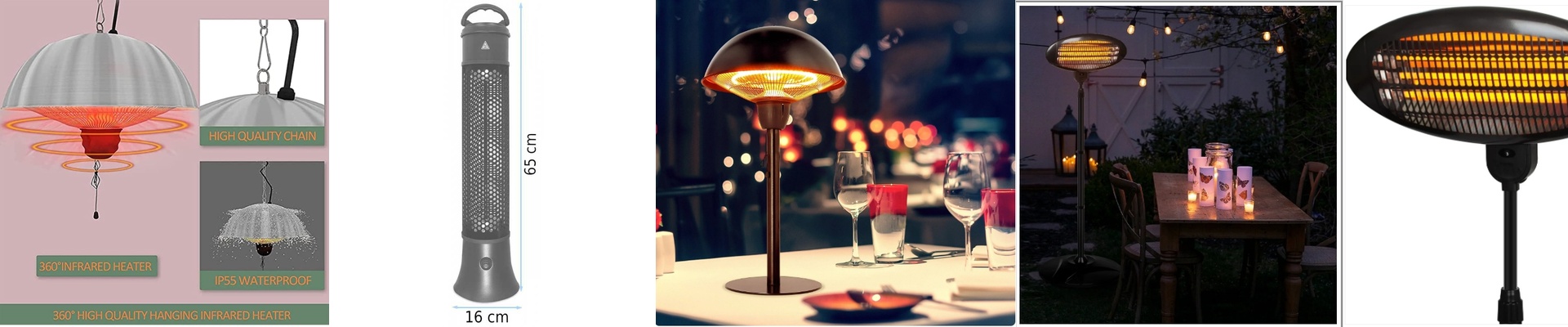
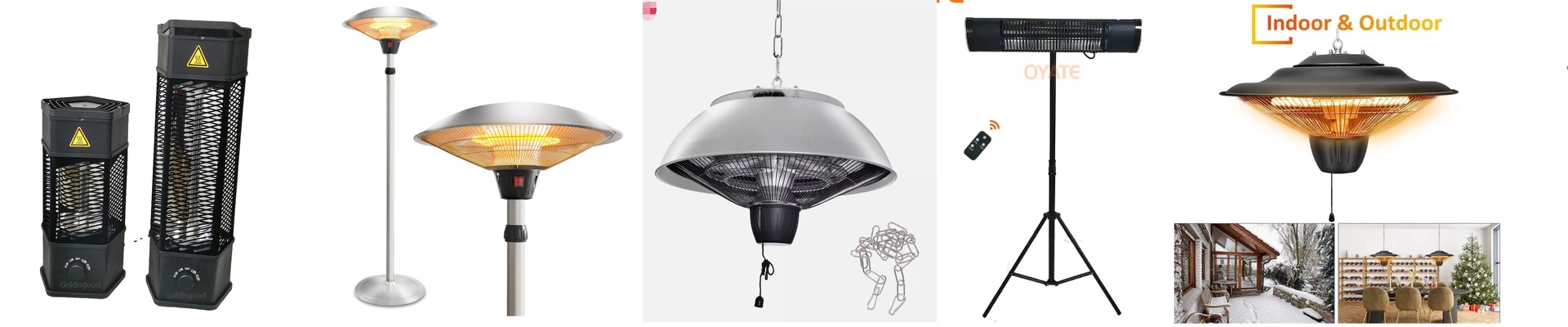
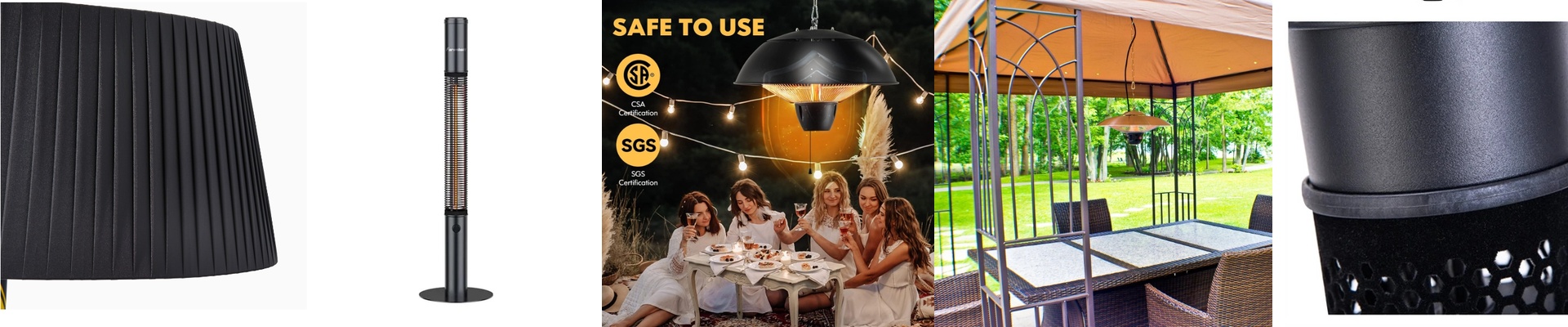
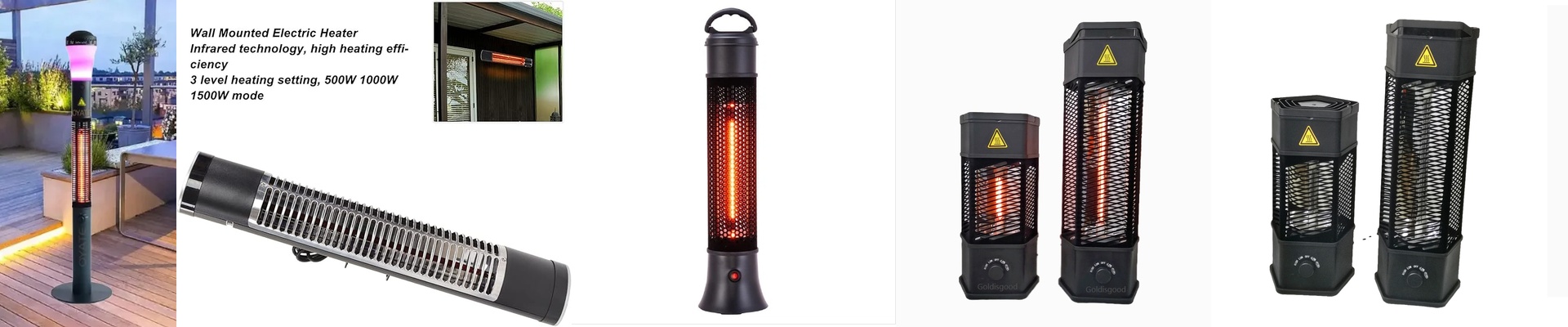
We build our IP65 infrared heaters to take a beating. Rain, dust, humidity—they don’t care. They just keep working. The magic here is that they don’t bother trying to warm up the cold air around you. That’s a waste of energy. Instead, they send out short-wave radiation that hits you—or your patio furniture—instantly. It’s like stepping into a patch of sunlight on a winter day. How the “Smart” Part Works To get these things talking to your phone or voice assistant, we put a relay or a TRIAC-based dimmer in the power line. Think of it as a translator. It lets a low-voltage smart controller (whether you use Zigbee, Matter, or Wi-Fi) tell a high-voltage heater what to do. When you tap “On” in your app, the relay snaps shut and the quartz or carbon filament glows. Just like that. No waiting around for a coil to warm up. It’s either off, or it’s pouring out heat. Setting Up the Logic The real win is when you hook everything into a central hub. You can stop messing with switches entirely. Imagine this: it’s a chilly evening. Your outdoor sensor notices the temperature has dipped below 10°C, and then it picks up you walking onto the terrace. The heaters kick in automatically. You’re warm before you’ve even set down your drink. A Few Things to Watch Out For Now, here is the part where you can’t wing it. These heaters pull a lot of power. If you try to cram five 2000W units onto one smart circuit, you’re going to blow a breaker. You’ll need dedicated circuits and thick wiring to keep the voltage steady. Also, since these things get incredibly hot, you can’t just slap them anywhere. Give them plenty of breathing room away from anything flammable. And keep an eye on the beam angle—if you don’t map out where the heat actually lands, you’ll end up with “cold spots” where guests are still shivering.