Stop Letting the Cold Kill Your Patio Profits
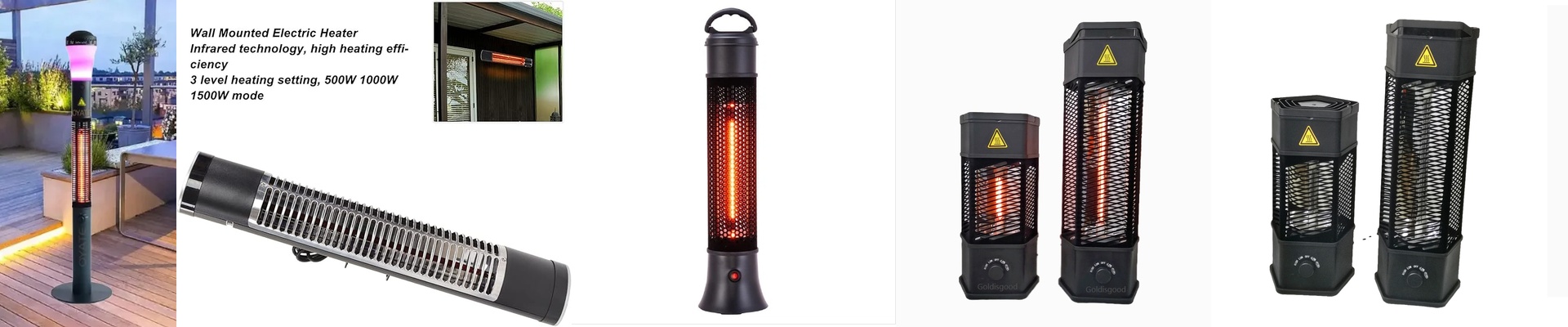
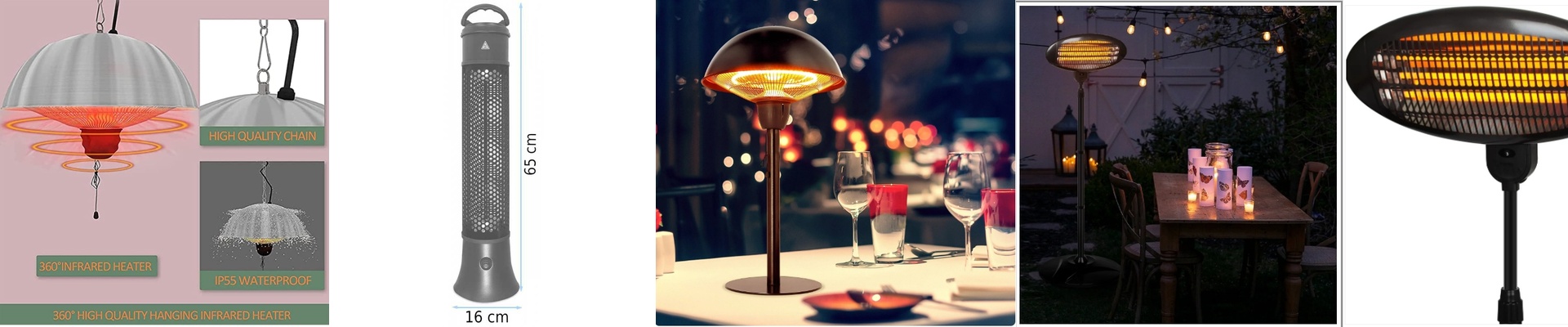
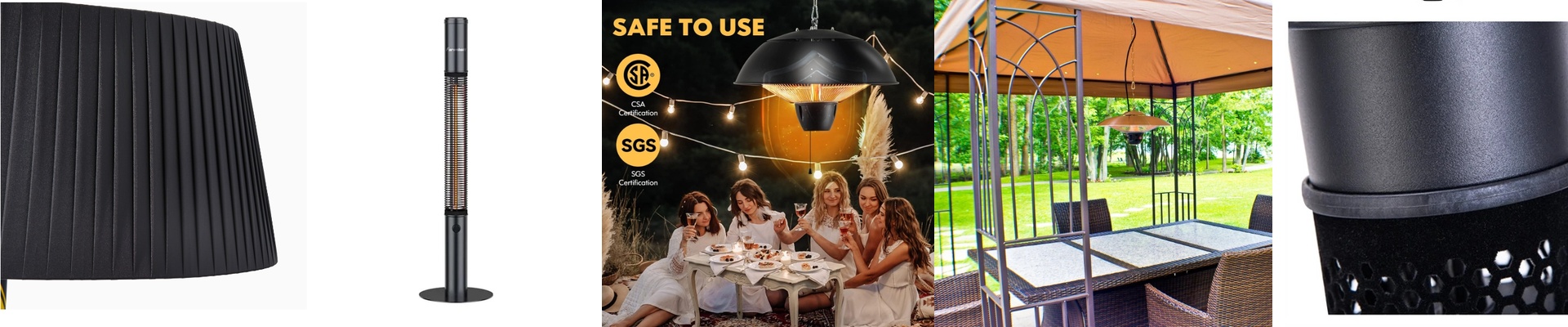
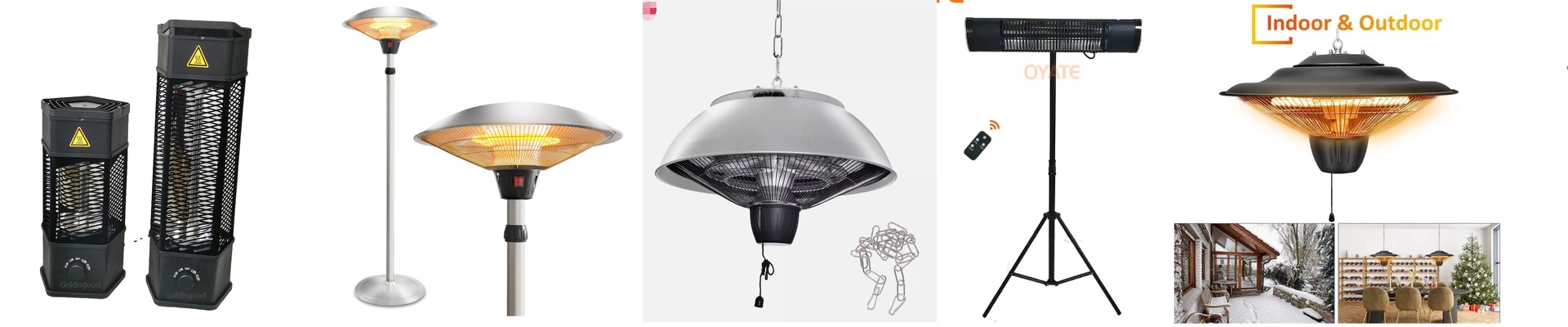
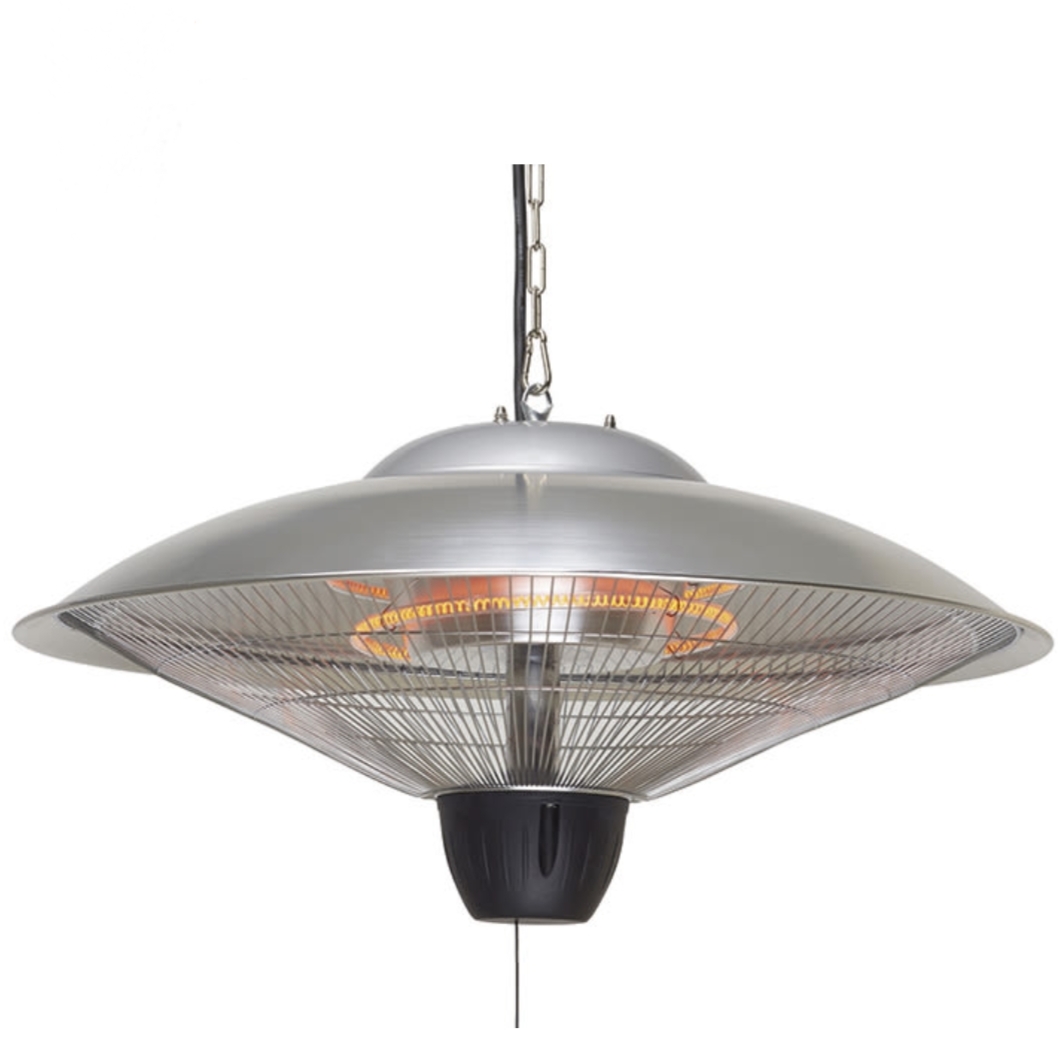
It’s a frustrating cycle. The weather dips, and suddenly your outdoor seating—the space you paid for and love—becomes a ghost town. You’re losing money every time a guest looks at your patio and decides it’s just too chilly to sit outside. We fix this with shortwave infrared heaters. Now, forget those old-school heaters that try to warm up the actual air. That’s a losing battle because the wind just carries the heat away. Infrared is different. It works more like the sun; it beams heat directly onto your guests and their chairs. The result? People actually stay. They stop shivering, they relax, and they stay for that extra round of drinks or a dessert they weren’t planning on ordering. The “Magic” Behind the Heat Here is the thing about shortwave infrared: it moves at the speed of light. It doesn’t stop until it hits something solid. This means you can have a breeze blowing through your patio and your guests will still feel warm. It’s the only real way to create a cozy little pocket of warmth in a wide-open space. Getting the Setup Right You can’t just slap these things on a wall and hope for the best. Placement is everything. We usually suggest mounting them overhead, about 2.5 to 3 meters up. If you go too high, the heat thins out before it reaches the table. Too low? Your guests will feel like they’re sitting under a heat lamp at a buffet—too hot and uncomfortable. And a quick heads-up on the electrics: these heaters pull a lot of power. If your wiring is old or underpowered, you’re going to trip a breaker right in the middle of a Friday night rush. To avoid that headache, we recommend giving each heating zone its own dedicated circuit. It’s a small detail that saves you a massive pain in the neck later. Why This Actually Matters for Your Business At the end of the day, it’s about “dwell time.” When people are warm, they linger. When they linger, they spend. By turning a freezing patio back into a usable room, you’ve basically expanded your restaurant without having to build a new addition or sign a bigger lease. The hardware costs a bit upfront, sure. But when you see how many more tables you can fill during a January cold snap, the system usually pays for itself in a single season.