
Stop Letting the Cold Kill Your Patio Profits
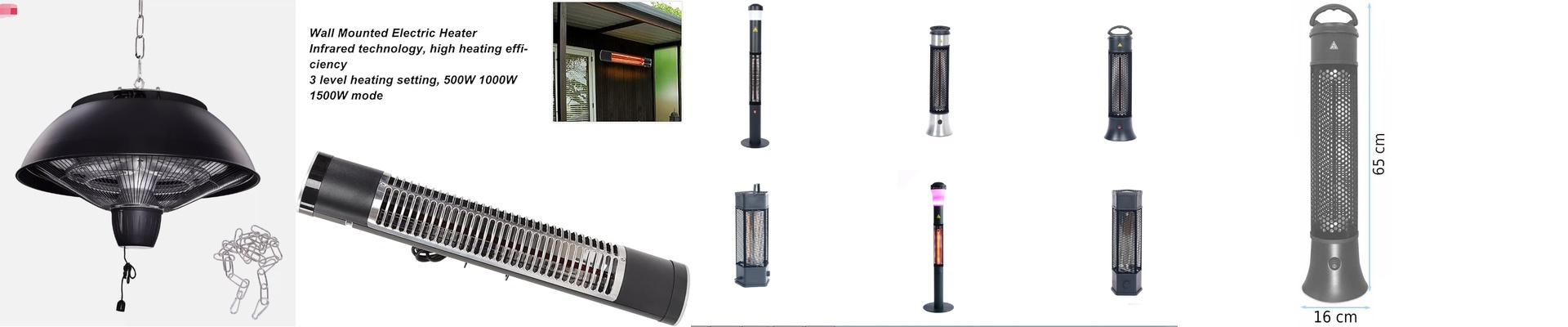
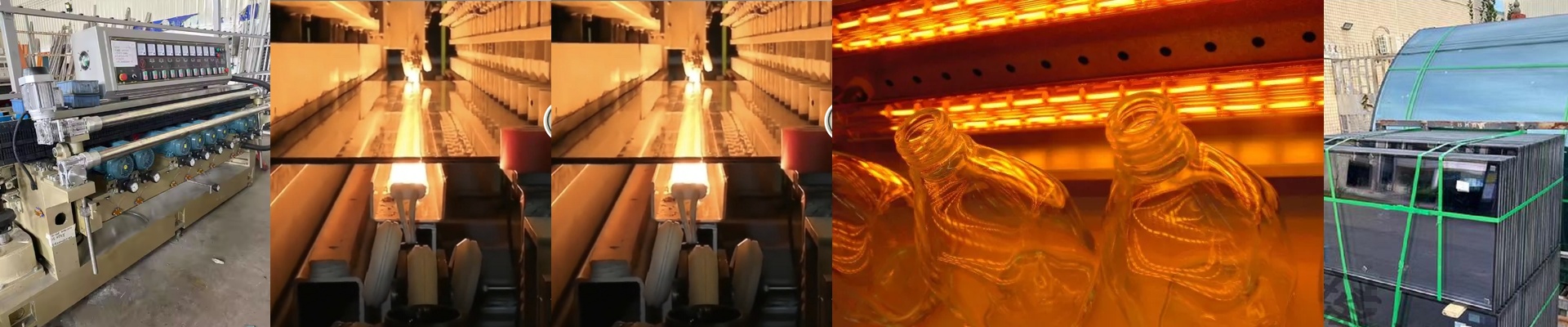
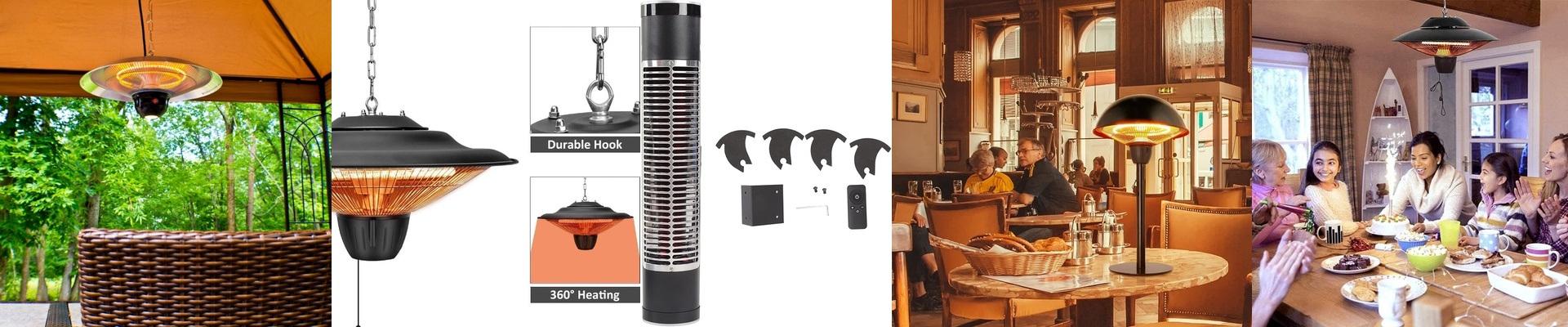
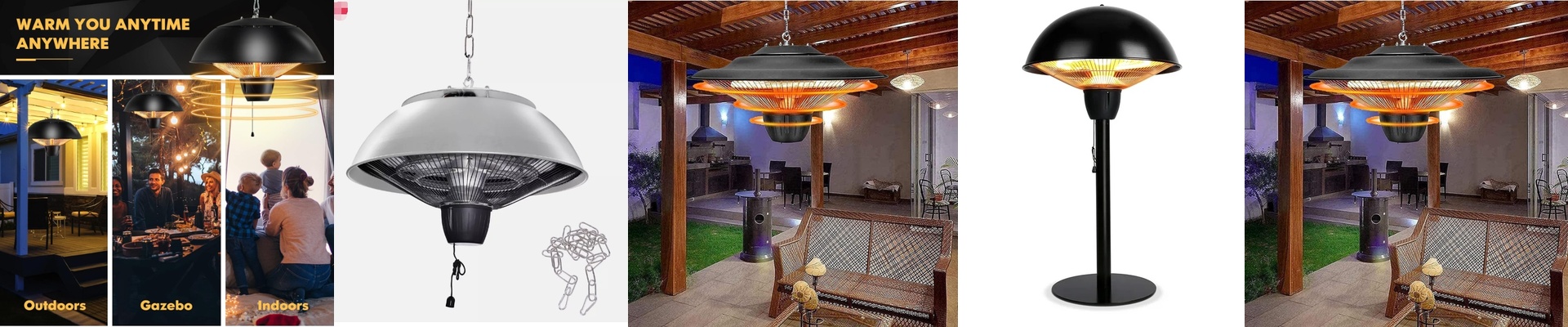
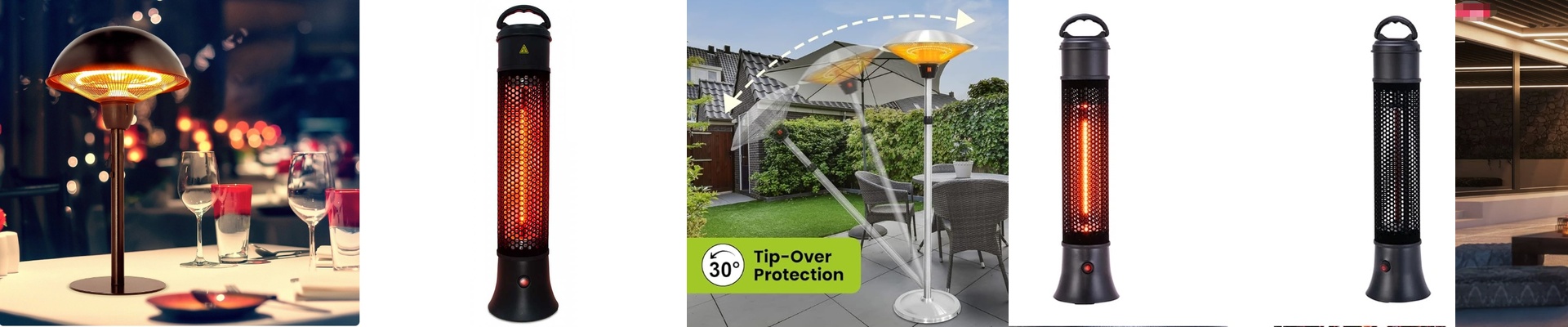
Let’s be honest: the second the temperature dips, your outdoor seating becomes a ghost town. It’s a massive waste of space and, more importantly, a leak in your wallet. Most people try to fix this with forced-air heaters, but that’s like trying to heat the outdoors—the wind just carries the warmth away. We do things differently. Our infrared heaters don’t bother with the air; they beam heat directly onto your guests. It feels like sitting in the sun. People stay longer, order another round of drinks, and actually enjoy their meal instead of shivering through it. Dealing with the elements Outdoor patios are messy. Between the rain, the snow, and the daily scrubbing with hoses, electronics usually stand no chance. That’s why we build these to the IPX4 standard. In plain English? They’re splash-proof. You can tuck them under an awning or leave them on a semi-exposed deck without worrying that a bit of drizzle is going to fry the circuitry. It’s one less thing to stress about during a busy shift. Instant warmth (and a warning) These use short-wave infrared tech, which is a fancy way of saying they hit peak temperature almost instantly. There’s no waiting around for a coil to warm up. You flip the switch, and your guests feel it immediately. But here is a pro tip: these units pack a punch. They draw a lot of power. Before you install ten of them, double-check your circuit breakers. There is nothing that kills a Friday night dinner service faster than blowing a fuse because you overloaded the line. Making it work for your space Turning a freezing patio into a cozy spot is a great way to make your square footage actually pay for itself. When it feels like a comfortable 72°F at the table, guests stop giving you the “it’s too cold out there” look. Just keep one thing in mind: infrared works like a flashlight. It needs a clear line of sight. If you put a massive pillar or a thick umbrella between the heater and the customer, the heat just stops. Spend some time mapping out your ceiling before you drill. And do yourself a favor—run dedicated power lines to the patio. It prevents voltage drops and keeps everything running smooth.