Why We Put Our Heaters Through the “Damp-Heat” Ringer
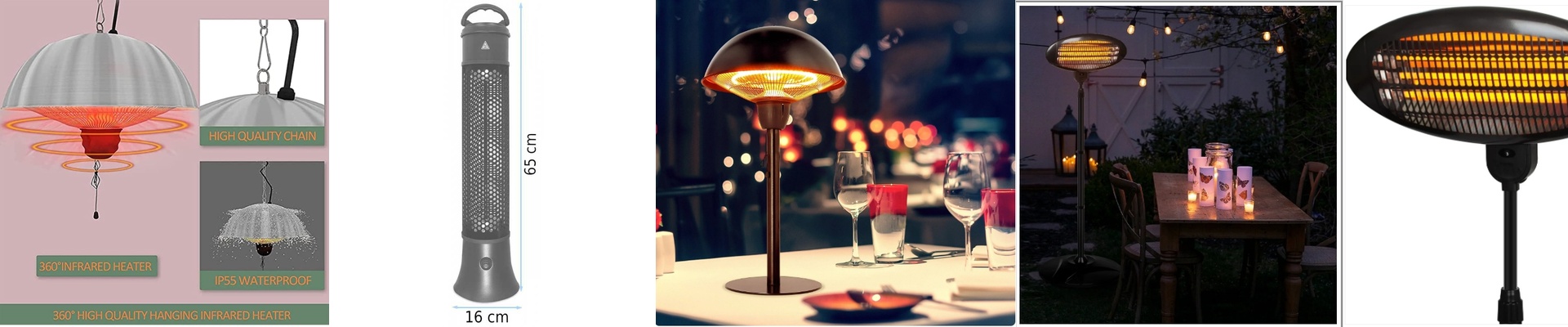
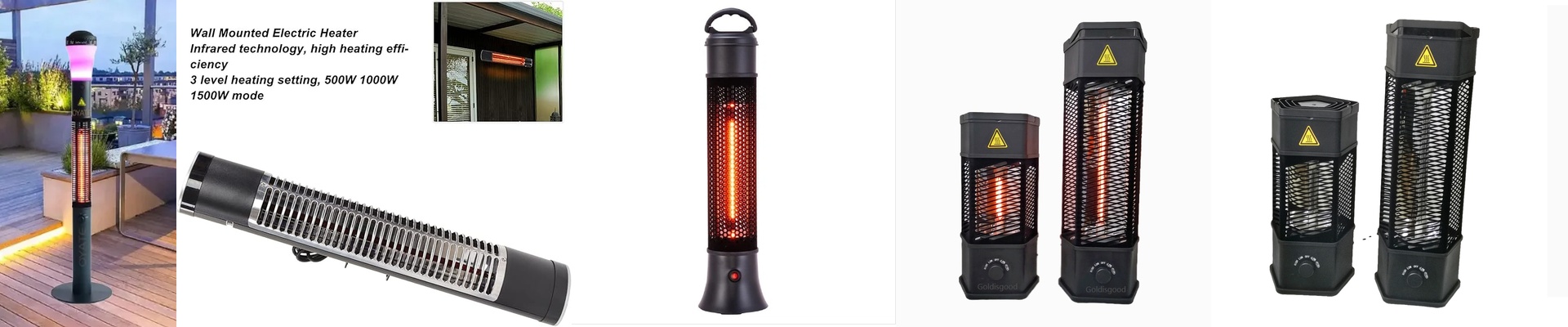
If you’re putting an infrared heater in a bathroom or out on a patio, you’re basically asking that piece of hardware to fight a war against moisture every single day. Now, we build our units to IP55 standards. On paper, that means dust and water jets stay out. But here’s the thing: a rating on a spec sheet doesn’t actually tell you if the heater will survive three winters in a steamy shower. That’s why we don’t just trust the rating. We put every batch through damp-heat aging tests to find exactly where the seals give up—long before the units ever leave our warehouse.
The Sneaky Side of Steam
Most people think of water as a splash or a leak. But in a bathroom, you’re dealing with steam. Steam is a different beast. It doesn’t just hit the surface; it’s a gas that finds every tiny, microscopic gap in the housing. Once that moisture sneaks inside and hits the circuitry or the heating element, you get oxidation. It starts small. Maybe a little flicker. Then you get hotspots. Eventually? The lamp just burns out completely. It’s a slow kill, and it’s exactly what we’re trying to stop.
How We Actually Test Them
We don’t just spray the units with a hose and call it a day. Instead, we cycle them through brutal swings of high humidity and temperature. We’re forcing the materials to expand and contract over and over. We’re looking for “creep”—that annoying tendency for gaskets and seals to shift or shrink. If a seal shrinks by even a fraction of a millimeter, that IP55 rating is basically useless. We keep a close eye on the insulation resistance throughout the whole process. If that number dips, the design fails. Simple as that.
A Little Word of Advice on Installation
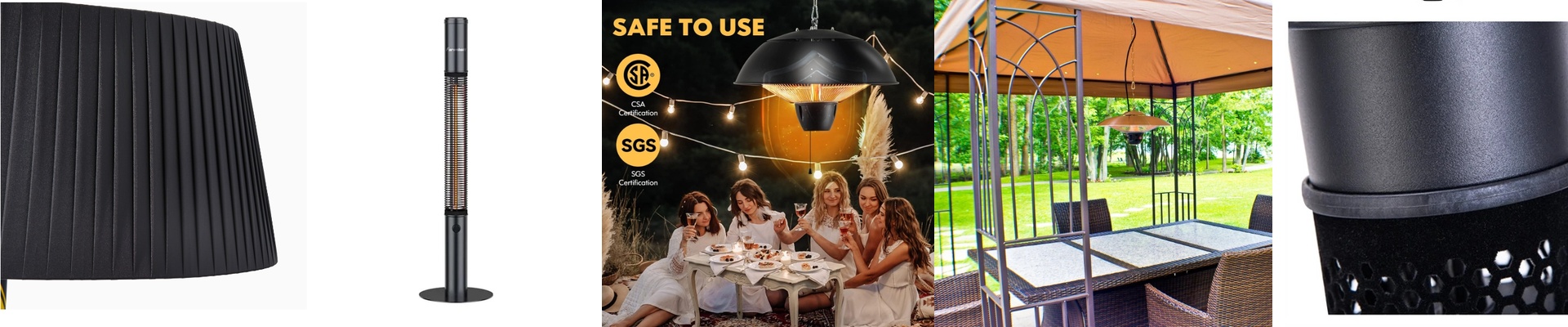
There is a trade-off here. To keep the water out, we have to seal things tight. But tight seals trap heat. An IP55 unit can actually run hotter on the inside than a cheap, open-frame heater. Because of that, you’ve got to make sure your mounting surface allows for a bit of airflow. If you box it in too tightly, the internal components are just going to bake. We’ve built in thermal cut-offs to stop things from melting, but it’s still better if you just give the unit some room to breathe. We go to all this trouble because a failure in a wet environment isn’t just a headache for our warranty department. It’s a safety risk. I’d much rather break a unit in our lab than have it fail in your ceiling.