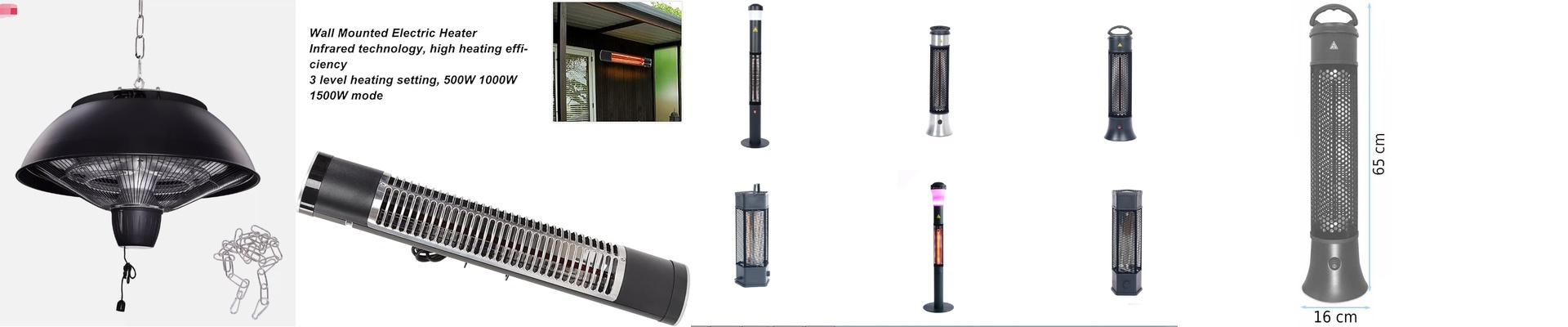
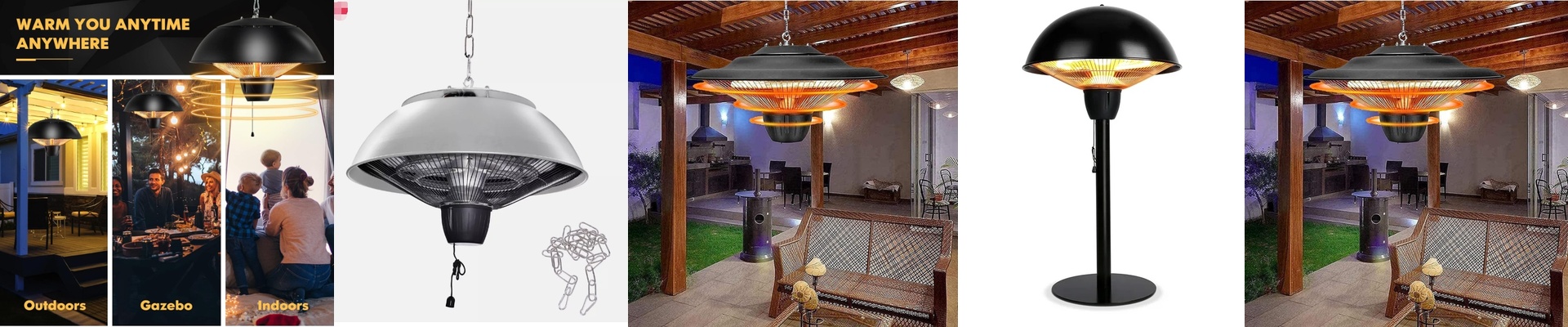
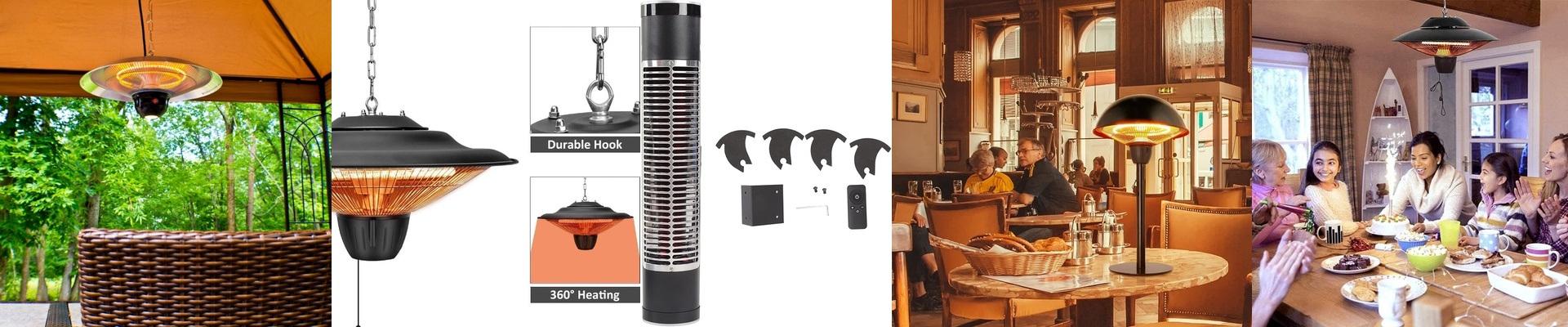
On a cold evening, the last thing you want is a heater that dawdles or gives up the moment the wind shifts. You need heat that hits fast, stays steady, and doesn’t make you wince when the bill comes. That’s the thinking behind this infrared heater: solid build, straight from the factory, no fluff.
What matters under the hood
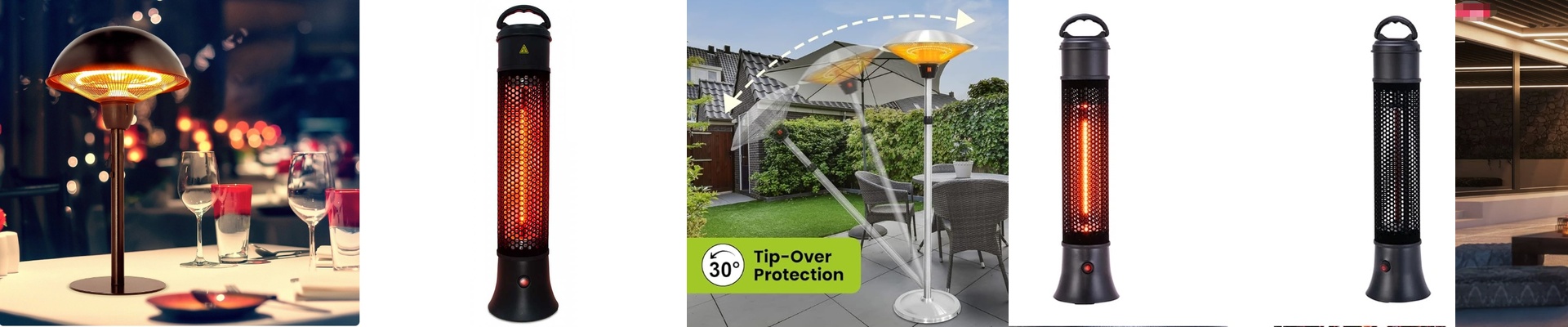
We run a carbon fiber element inside a sealed quartz tube. The result is clean infrared warmth that heats people and objects directly, not the air around them. In practice, you feel the heat in seconds, not minutes. Pick the 1500W or the 2000W model. Both are 120V and come with standard NEMA plugs, so it’s plug-and-play on a patio, porch, or workshop. The reflector hood is shaped to push more heat forward, giving you a wider, more even spread instead of a tight hot spot. A built-in thermostat holds the set temperature, and tip-over protection shuts the unit off if it gets bumped. For outdoor use, the IP rating handles typical exposure—just keep it out of heavy rain and direct spray.
Why this approach works
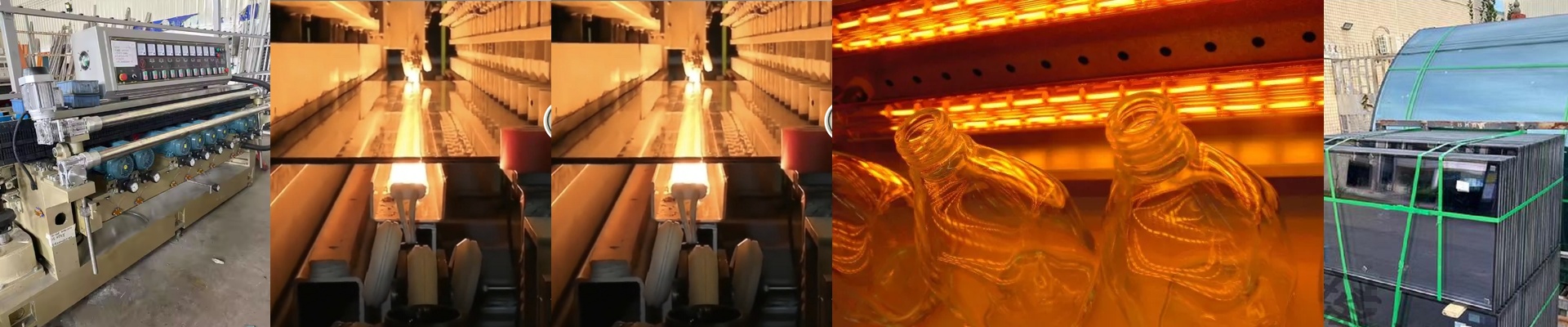
We keep the process in-house, so we can hit factory-direct quality without the markup. You get a heater that starts quickly, holds output steady, and only draws power when it needs to. That’s the sweet spot for extending outdoor living or warming a specific indoor spot without heating empty space. Because radiant heat warms what it touches, a cold corner becomes usable again. Evenings last longer, and you get fewer interruptions.
Practical notes from the field
For best results, aim the infrared beam straight at the seating area and keep the unit at least 3 feet from combustible materials. This is built for home and light commercial use—not for constant, high-duty industrial cycles. If you’re running multiple units on the same circuit, check your breaker capacity. And keep in mind: infrared heat delivers comfort fast, but it isn’t a substitute for full-room air heating when the temperature drops very low.