Stop Replacing Your Entire Heater Just Because One Tube Burned Out
Let’s be honest: outdoor heaters live a brutal life. Between the freezing rain, the dust, and the constant temperature swings, it’s only a matter of time before a heating element gives up the ghost. Usually, when a tube burns out five years down the road, you’re stuck. You don’t just pay for a new part; you pay for hours of expensive labor and a cold patio while you wait for a technician to wrestle with the hardware. We decided that was a waste of everyone’s time. So, we stopped building heaters as one big, permanent chunk of metal and started building them in modules.
The “Swap and Go” Logic
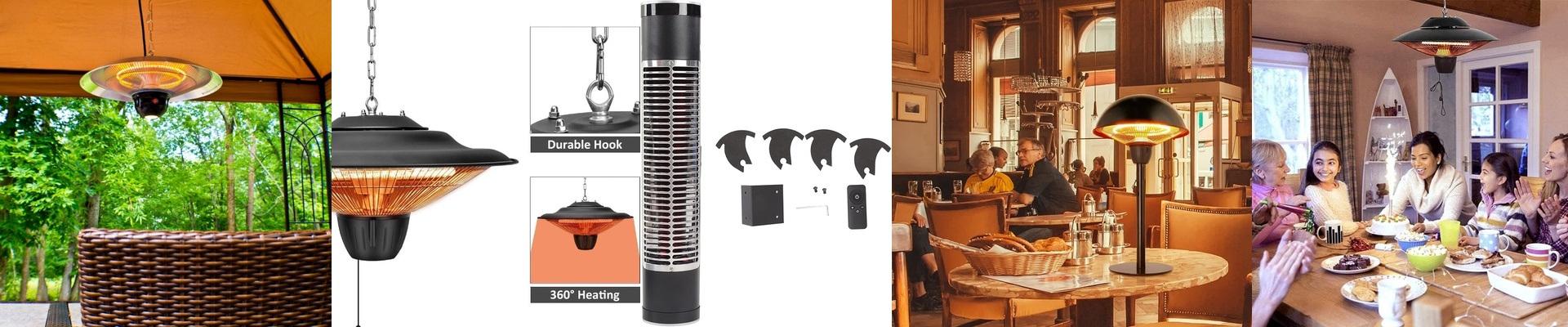
Most brands weld their heating elements straight into the chassis. If something breaks, you’re basically performing surgery on the unit or, worse, throwing the whole thing in the trash. We do things differently. We treat the infrared module like a battery in a remote—something you just pop out and replace. We use simple mounting brackets and quick-disconnect terminals so you aren’t fighting with complex wiring in the wind. **Here is the best part:**You don’t have to tear the whole housing apart. You just pop a clip, slide out the dead tube, and drop in a fresh one. What used to be a four-hour nightmare is now a ten-minute job.
Dealing with the Rain
Now, making something easy to take apart usually means it’s easier for water to get in. That’s the trade-off. To keep the rain out, we use compression gaskets around the electrical spots. We’ve seated the modular inserts so that even if the outer reflector is getting hammered by a storm, the internal electronics stay bone-dry.
The Honest Trade-offs
I’ll be straight with you: modular systems have more connection points than a single welded piece. And more connections mean more places where things could go wrong if you’re careless. If a connector isn’t tightened right, you’ve got a problem. To fix that, we use high-temperature terminals that don’t rust or oxidize. Just make sure those seals are seated properly when you do a swap, or you’ll be inviting moisture into the module. But for us, that’s a fair trade. We’re building these things to last for decades. By making them modular, we make sure your heater stays warm long after the first tube fails.