

Getting Your Bathroom Heat Right (Without Wasting Money)
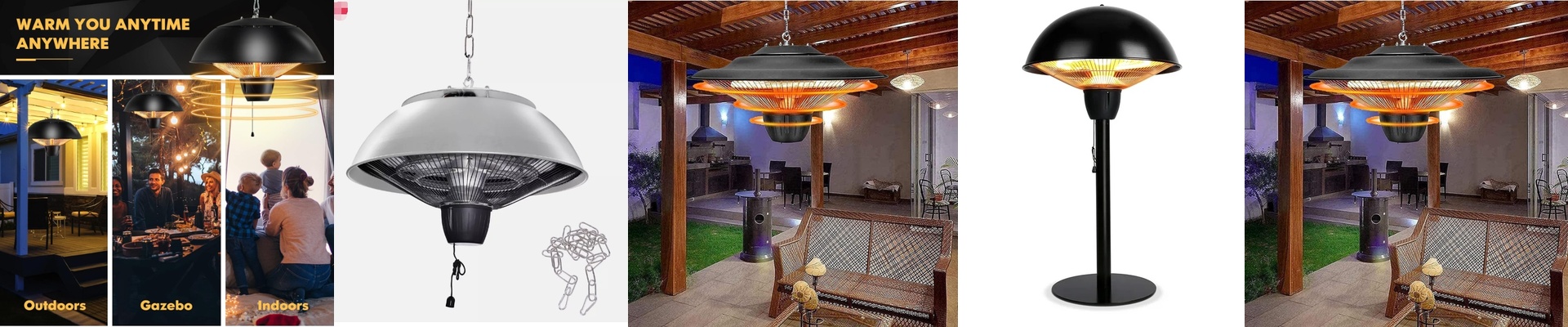
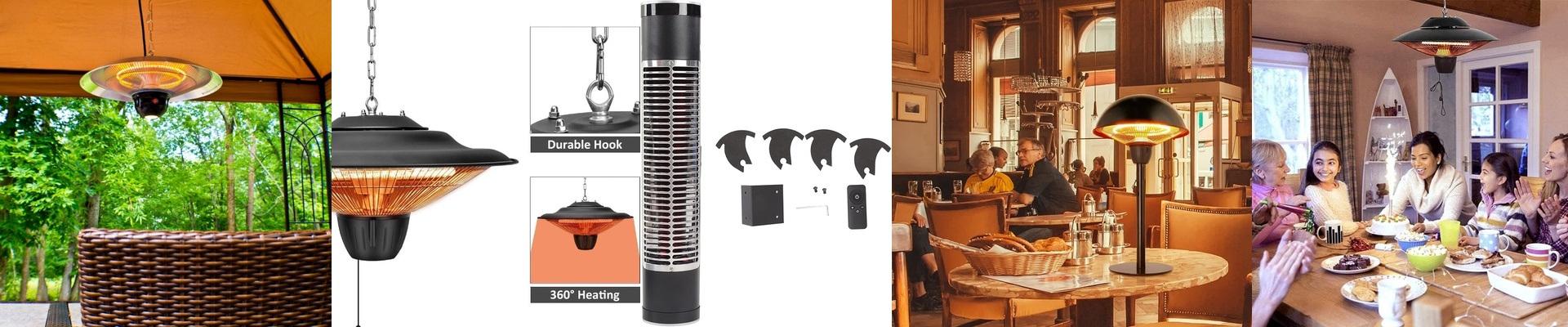
First things first: if you’re looking at infrared lamps for a bathroom, make sure they have an IPX5 rating. That’s just the non-negotiable part. It means the unit won’t freak out or short circuit the moment a bit of water splashes on it. But once you’ve got the safety part sorted, the real trick is picking the right wattage. You don’t want to just buy the most powerful lamp on the shelf and call it a day. That’s a great way to waste electricity.
Finding the “Sweet Spot” for Power
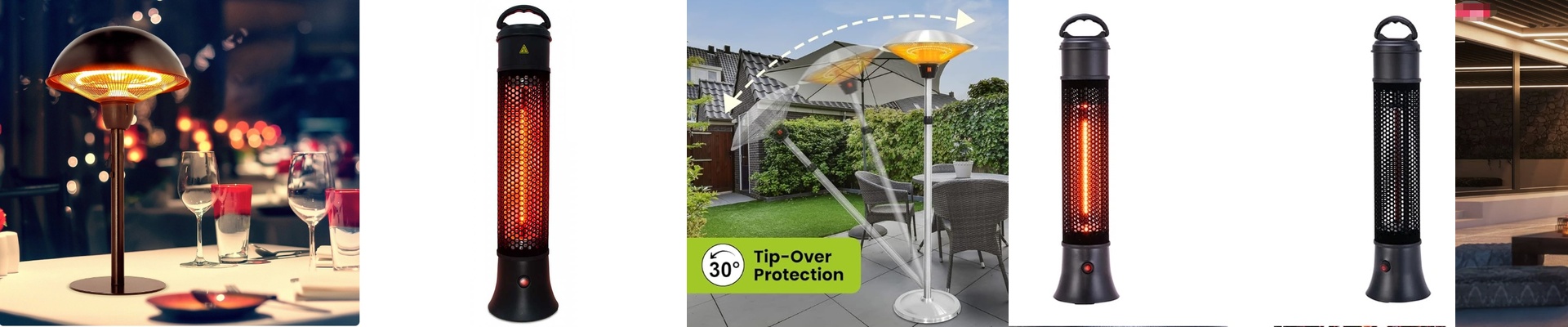
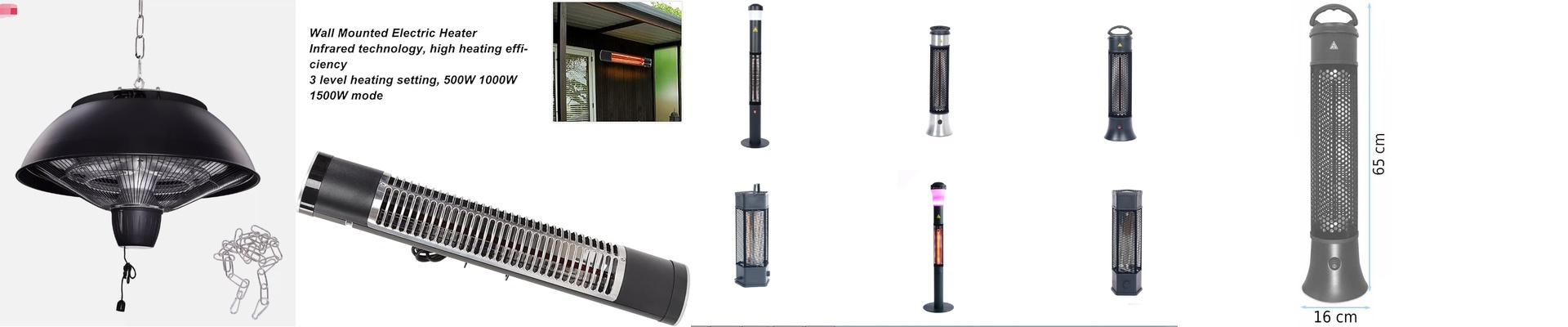
You can’t just use one wattage for every room. If you’ve got a tiny powder room—you know, those small 3-5m² spaces—a 400W to 600W lamp is usually plenty to keep things cozy. If you slap a 1200W lamp in there, you’ll hit the temperature limit almost instantly. The thermostat will constantly click on and off, which is a fast track to wearing out your relays. For the bigger bathrooms, maybe 8-12m², that’s where you’ll want 1000W or 1500W. At this size, shortwave infrared is the way to go. It feels great because it warms you up directly, rather than trying to heat up all the air in the room.
The Trade-off
Sure, higher wattage means you feel the heat faster. It’s an instant win on a freezing morning. But there’s a catch. High-wattage lamps can get intense. If the lamp is mounted too low or the room is too cramped, it can feel overwhelming—or even overheat the surfaces nearby. It’s all about balance. You have to think about how high you’re mounting the unit before you decide on the power.
A Better Way to Set It Up
If you want to save on your power bill, try a zoned approach. Instead of one giant, power-hungry lamp, try a few smaller units. Wire them to separate switches. That way, you only turn on the heat exactly where you’re standing. One last tip: keep an eye on your wiring. High-wattage lamps pull a lot of current. Just double-check that your circuit breakers and wire gauges can handle the load. Nobody likes a breaker that trips right when they’re stepping out of the shower.