Why we put our bathroom heaters through a “steam torture test”
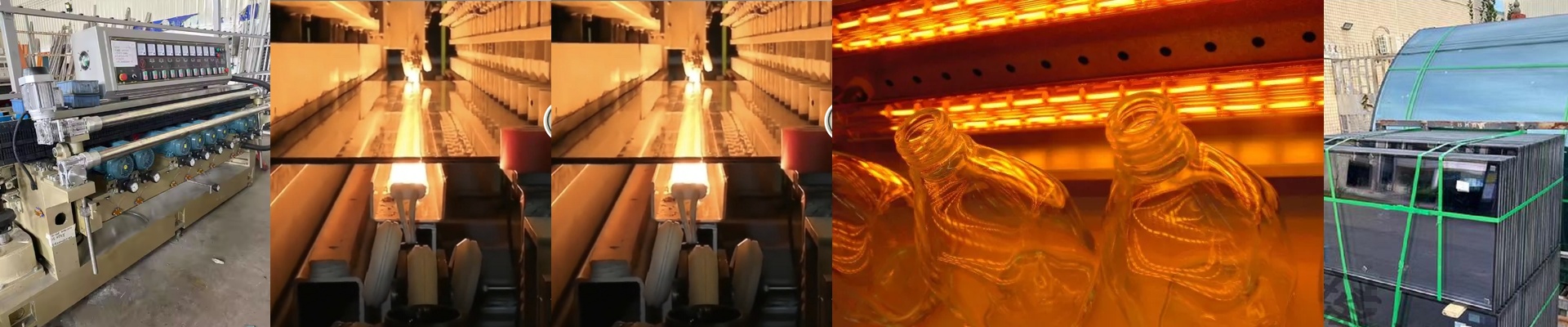
Let’s be honest: bathrooms are a nightmare for electronics. You’ve got thick steam, sudden temperature jumps, and water vapor getting into every little crack. It’s basically a recipe for things to break. We could just build these heaters to meet the basic requirements and call it a day. But we don’t. Instead, we put every batch through something called damp-heat aging tests. Basically, we try to break them in the factory so they don’t break in your house.
The battle between steam and glass
Here is the problem. Infrared lamps use a quartz tube and a tungsten filament. In a dry room, they’re perfectly happy. But in a steamy bathroom? Moisture creeps into the seals and clings to the glass. The second you flip the switch, that water evaporates instantly. That sudden “pop” of heat causes the materials to expand and contract fast. It puts a ton of pressure on the seal where the glass meets the metal. If that seal gives way, oxygen rushes in, hits the filament, and—snap—your light is dead.
Why we “age” the lamps
We don’t want you to find out your lamp is a dud three weeks after installing it. So, we toss them into high-humidity chambers at high heat for long stretches. We’re looking for “infant mortality”—those early failures that happen because of a tiny flaw in the build. We check if moisture is sneaking into the wiring or if the contacts are starting to rust. A lamp might look great on a quick bench test, but the steam reveals the truth.
Finding the sweet spot
It sounds simple: just make the seal tighter, right? Not exactly. If the seal is too rigid, the quartz tube can’t breathe when it heats up, which causes it to crack. It’s a balancing act. We use specific bonding agents to keep the moisture out without putting too much stress on the glass. But here is the catch. No matter how much we test them, airflow still matters. If the fixture isn’t vented right, heat builds up at the base and kills the lamp anyway. Even the best-aged lamp can’t survive a total lack of air.