
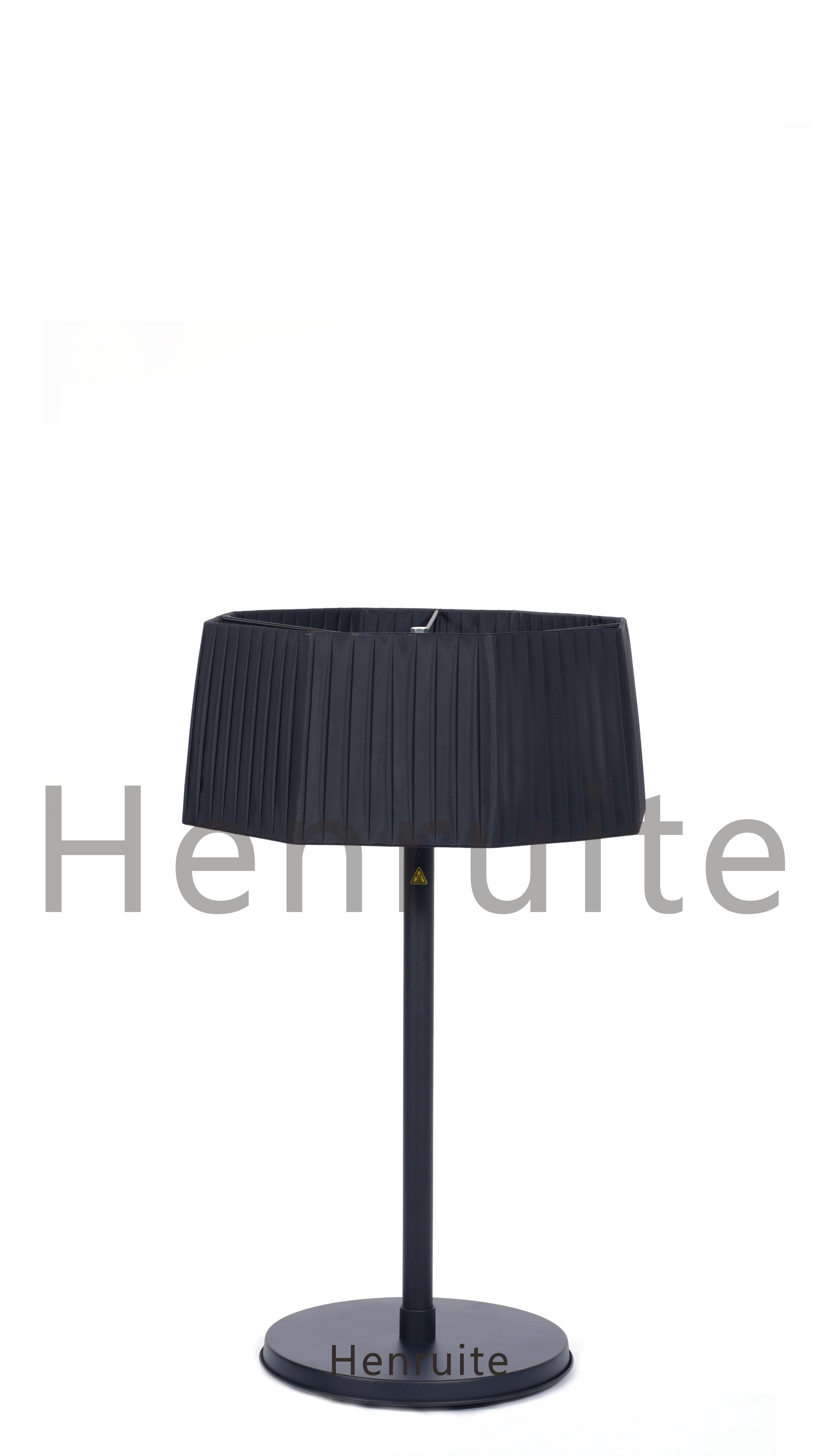
Keeping it Warm Without the Blinding Glare
Most high-powered infrared lamps are basically light cannons. They blast out a wide spectrum of light that’s great for heat, but a nightmare for your eyes—especially if you’re putting one in a bathroom or a baby’s nursery. Nobody wants a blinding light staring them down while they’re trying to relax or put a child to sleep. We’ve figured out a way to fix this by tweaking how the lamp emits light. The goal is simple: get the heat to the skin, but keep the eyes safe.
Cutting out the noise
Standard short-wave lamps throw off a lot of visible light and UV. It’s harsh. To stop that eye strain, we use special coatings or filtered quartz glass. Think of it like a pair of sunglasses for the bulb. These materials block the piercing, high-frequency light but let the long-wave infrared heat slide right through. You still feel that cozy warmth, but the light feelssoft. No more squinting.
It’s not just about the bulb
The glass is only half the battle. We also looked at the reflectors. If you use a sharp, focused beam, you end up with “hot spots” that can be jarring to look at. Instead, we use diffused reflectors. This spreads the energy out over a wider area, so there isn’t one single, intense point of light hitting your eye. It’s a much more natural feel.
The trade-off
Now, here’s the catch. When you filter out the visible light to protect the eyes, you lose a bit of efficiency. Because of that, you might need a slightly higher wattage to get that same “toasty” feeling you’d get from an unfiltered lamp. Just make sure your power supply can handle the extra load. If you under-power these units, they’ll take forever to warm up, which is frustrating when you’re in a hurry. One last tip: keep your wiring tight and your voltage steady. Flickering lights are annoying for adults, but for a baby, they can be genuinely irritating. Keep it stable, and you’re good to go.