Stop the Bathroom Damp: How Infrared Actually Works
Most people think bathroom heat lamps are just there to keep you from shivering when you step out of the shower. But if you look at it from an engineering perspective, it’s actually about fighting moisture. We don’t just want to warm up the air. We use shortwave infrared (SWIR) to go after the water molecules sitting on your walls and floors.
Drying the surfaces, not the air
Here’s the thing about standard heaters: they warm the air, but your tiles and ceilings stay cold. That’s why you get that annoying condensation dripping from the ceiling. Our infrared lamps work differently. They send out radiation that sinks right into the wet surfaces. It makes the water molecules vibrate and turn into vapor almost instantly. When you flip the switch, you’re basically creating a “dry zone.” By keeping the walls and ceiling warmer than the dew point, the moisture has nowhere to settle. That’s the secret to keeping mold from grabbing onto your grout or silicone.
Keeping mold away
Mold is picky. It needs a certain amount of moisture to move in and start growing. We designed these lamps to push that moisture out of porous materials as fast as possible. It’s not about turning your bathroom into a sauna. It’s about forcing the dampness out. Now, there is a bit of a trade-off. The high-wattage lamps dry things the fastest, but you have to be careful where you put them. If they’re mounted too low, the heat is way too intense for your skin. You want them high enough to dry the room, not roast the person standing under them.
A quick tip on maintenance
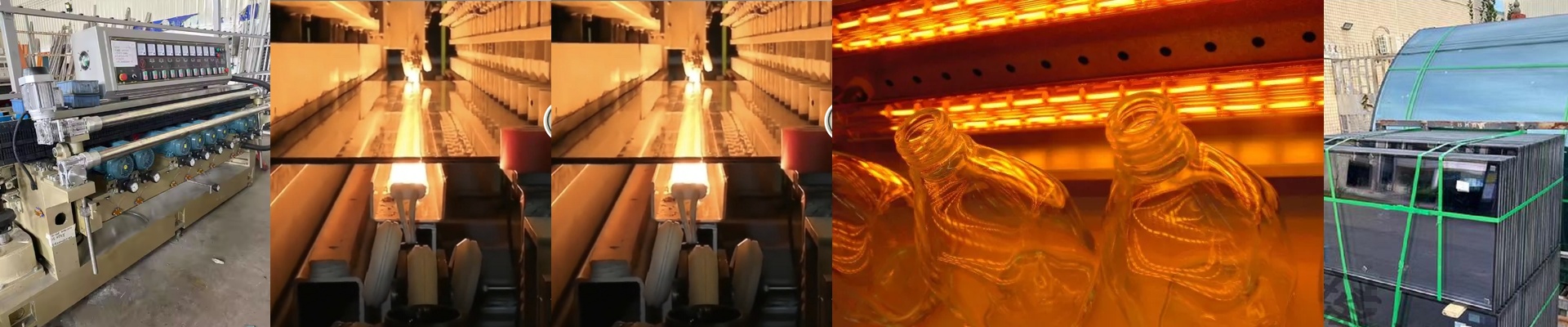
We use quartz glass for the bulbs so the heat stays consistent. But there’s a catch: you have to keep that glass clean. If dust or soap scum builds up on the lens, it blocks the heat. You’ll notice your walls staying damp longer because the lamp can’t “push” the heat through the grime. Just give the lenses a quick wipe every now and then, and your bathroom will stay dry.