Making Your Outdoor Heaters Actually Smart
If you’ve ever tried to heat a patio, you know the struggle. You’re fighting the wind and praying the rain doesn’t fry your electronics. That’s why we stick with IP66-rated gear. In plain English? It means dust and high-pressure water jets can’t get inside to wreck the circuitry. It’s peace of mind in a metal box. But the real magic happens when you stop flipping manual switches and let a smart home system handle the heavy lifting.
Heat That Actually Hits You
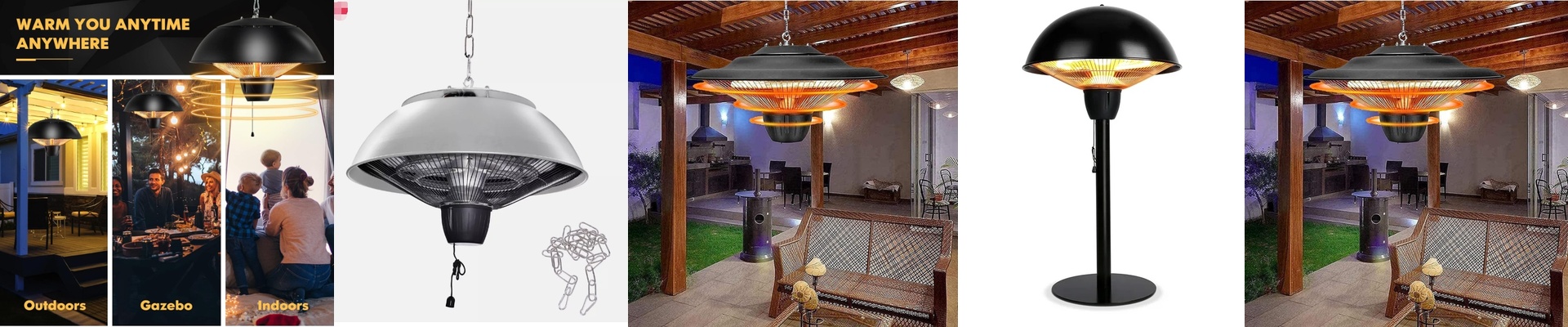
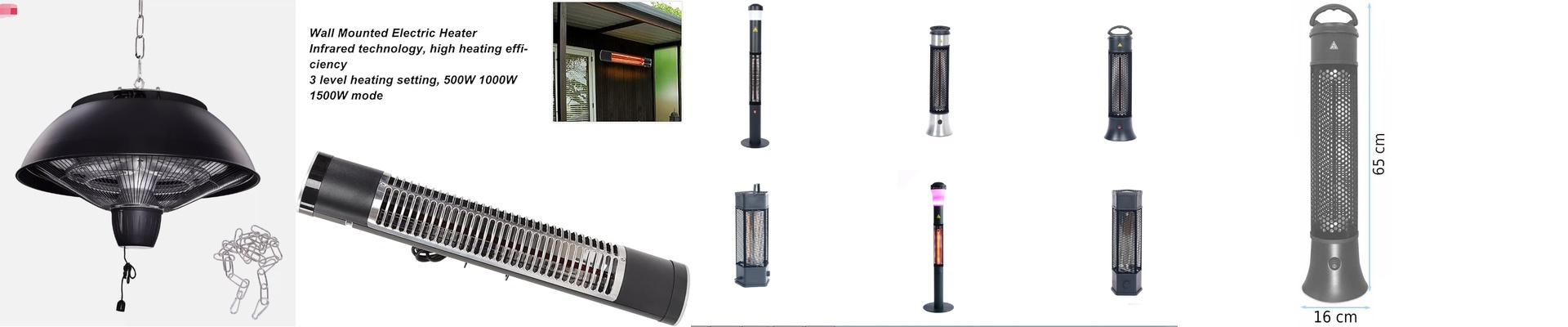
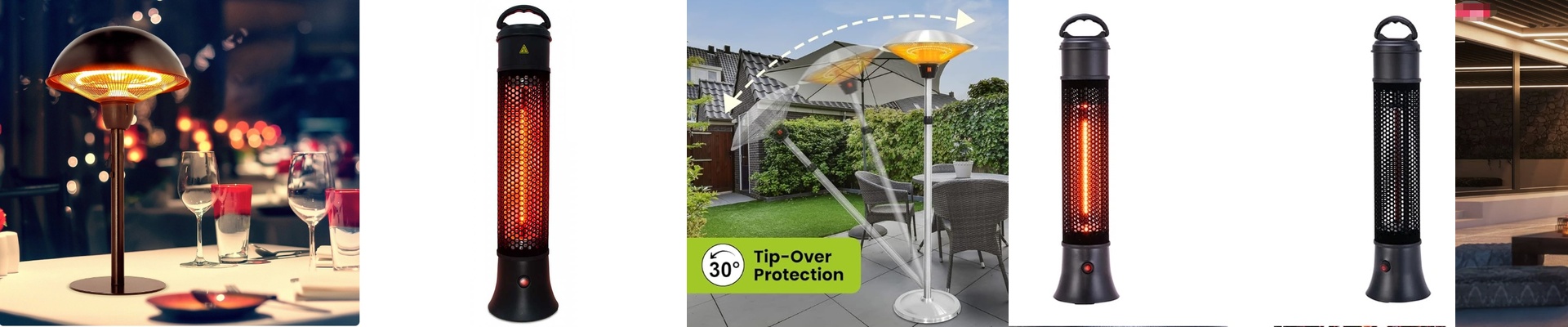
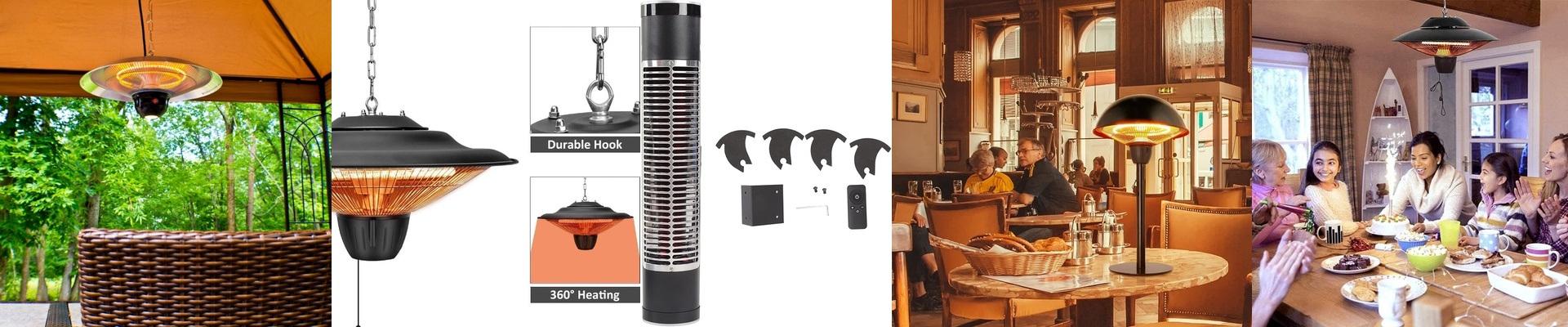
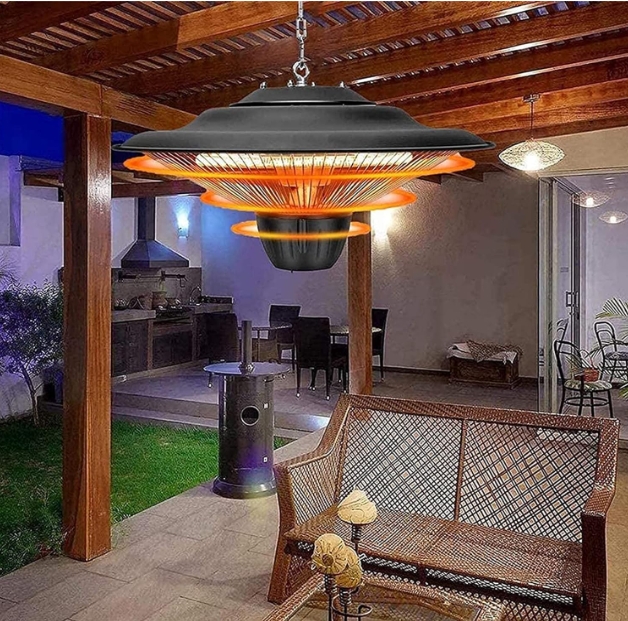
Most heaters try to warm up the air. But outdoors? The wind just carries that warmth away. It’s a waste of money. Our infrared units work differently. They send out shortwave radiation that hits you and your furniture directly. It feels like stepping into a patch of sunlight on a cold day. The second that relay clicks, the filament glows, and you feel the heat instantly. No waiting around for the “air” to get warm.
The Right Way to Wire It
Here is where a lot of people mess up. You can’t just plug a 2kW heater into a tiny smart switch. If you do, the switch will likely melt or burn out under the load. Instead, we use a smart gateway (like Zigbee or Matter) to trigger ahigh-current contactor. Think of the smart switch as the “finger” and the contactor as the “muscle.” The switch tells the contactor to close, and the contactor handles the actual power. Now, you can kick on the heat from an app or let a temperature sensor do it for you when the evening chill hits.
A Few Things to Watch Out For
Keeping water out is great, but IP66 seals also keep heat in. To stop the internal boards from frying, we use oversized aluminum heat sinks to pull that warmth away. Just a heads-up: if you tuck these units into a tight spot with zero airflow, the thermal cutout will kick in and shut everything down. Give them some room to breathe. And please, check your electrical panel. Running four 2000W heaters at once is a massive power draw. If your circuit isn’t spec’d for that peak load, you’re just going to trip the breaker. Also, use high-temp cables. The last thing you want is insulation melting near the heating element.