Why your infrared heaters keep dying (and how we fixed it)
Let’s be honest: standard infrared heaters aren’t built for the real world. The second they hit a humid room or a dusty shop floor, they start to struggle. Moisture gets in, things short out, and suddenly you’re replacing a heating element for the third time this year. It’s a headache nobody needs. That’s why we built our heaters with an IP65 rating. In plain English? We made them tough enough to handle the mess.
Stopping the leaks
An IP65 rating basically means dust can’t get in, and water jets won’t kill it, no matter where they’re hitting from. We didn’t just slap a cover on it. We used high-temp silicone gaskets to seal the electrical junctions and reinforced the cable glands. It stops moisture from creeping into the wiring—which is usually where the corrosion starts and the sparks fly. Then there’s the fogging. You know that moment when a cold drop of water hits a scorching hot quartz tube? It’s called thermal shock, and it’s a great way to crack a tube instantly. We redesigned the housing to manage airflow better, so condensation doesn’t just sit on the element. It keeps things stable, even when the temperature swings are wild.
The trade-off
Here is the catch. When you seal something this tightly to keep water out, you’re also trapping heat inside the chassis. It’s a bit of a balancing act. Since the IP65 seal limits how the housing naturally cools itself, you have to be mindful. If you’re cranking these units to max wattage in a tiny, cramped space, just keep an eye on your ambient temps. You don’t want the control electronics getting too toasted.
Built for the grime
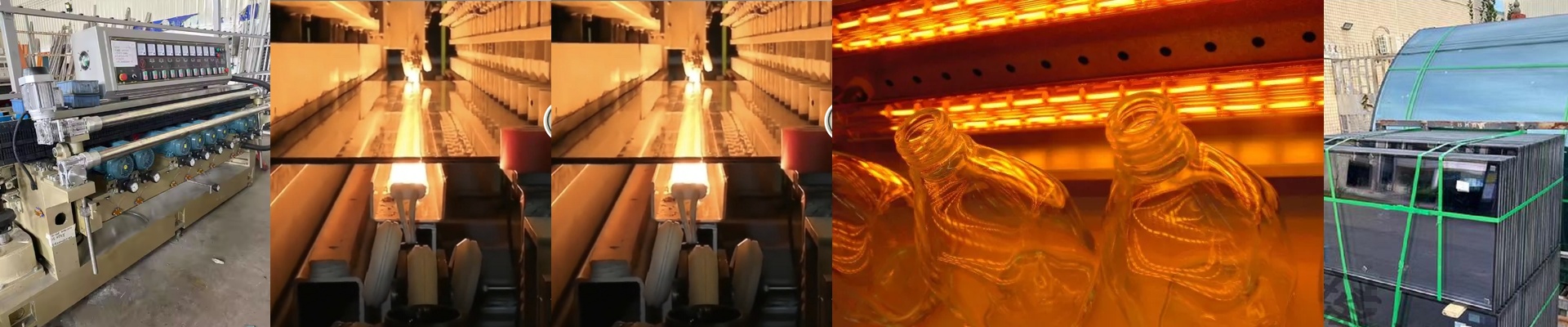
These heaters are for the places where “clean” isn’t an option. I’m talking about food processing lines or chemical wash-down areas where things get sprayed down daily. You can mount them, wire them up, and forget about them. You don’t have to hold your breath every time someone pulls out a pressure washer. By keeping the water out, the lamps and wiring actually last. It means fewer replacements, less downtime, and a lot less swearing on the shop floor.