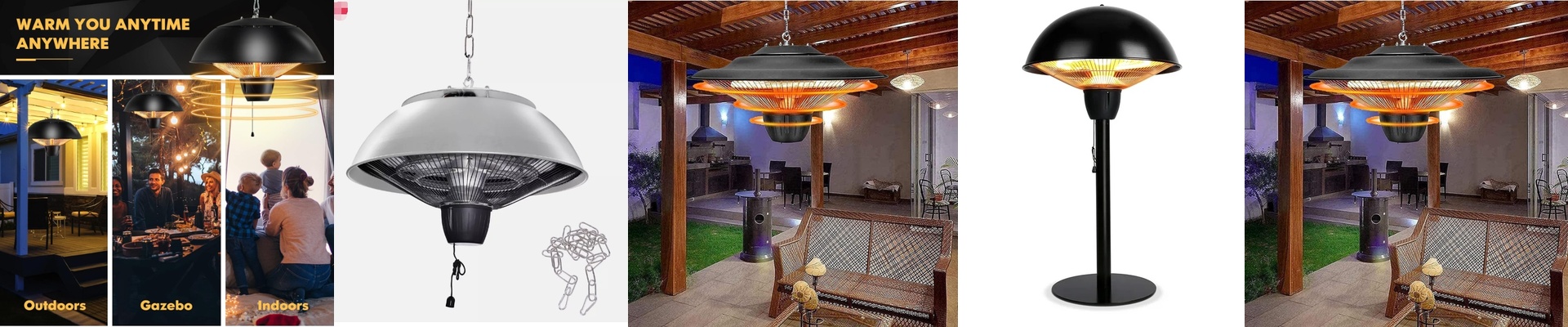
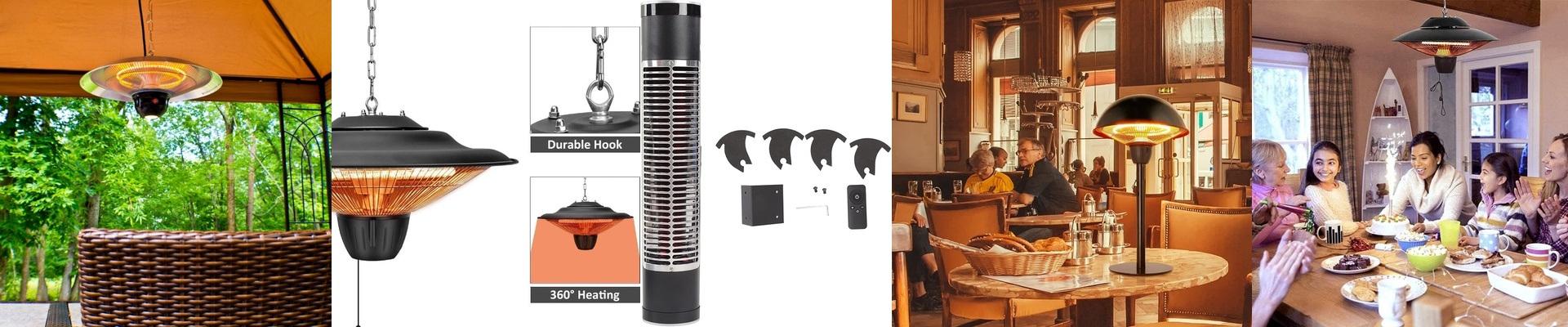
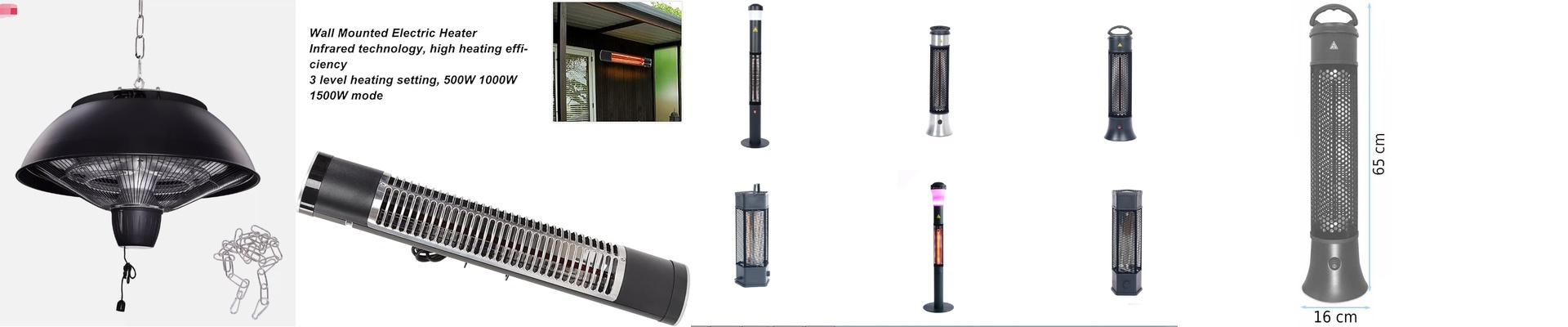

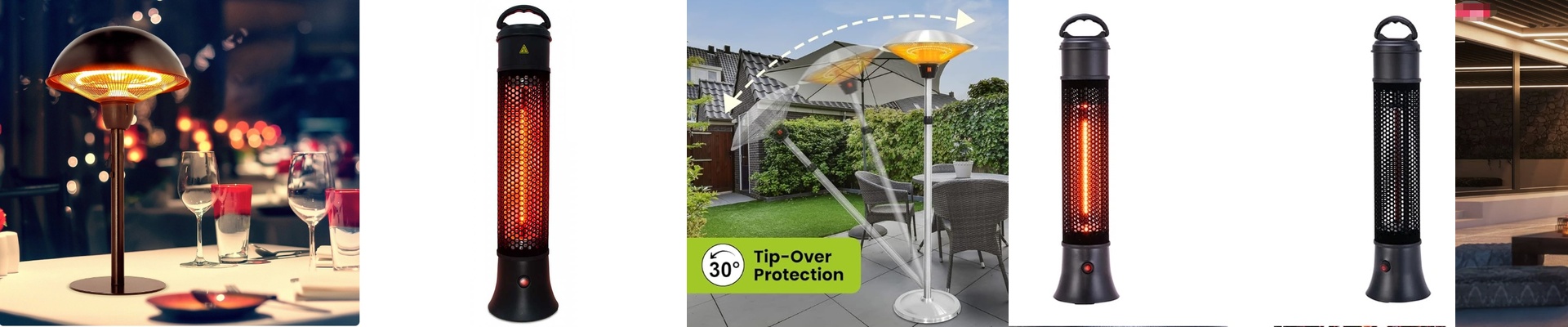
Keeping Your Bathroom Warm Without Blinding Everyone
When we set out to build these infrared heaters, the water part was actually the easy bit. Getting an IP55 rating—which basically means the thing won’t fry the moment a bit of steam hits it—is standard engineering. The real headache? The light. If you’ve ever used a basic short-wave IR lamp, you know that blinding, harsh glare. It’s uncomfortable for adults, and for a baby’s sensitive eyes, it’s just too much. Nobody wants a heater that feels like a spotlight in an interrogation room.
Fixing the glare
We spent a lot of time messing with filament alloys and quartz envelopes to change how the light behaves. Instead of that piercing white light, we managed to dial it back to a soft, warm glow. You still get all that cozy, radiant heat hitting your skin, but your eyes don’t feel the strain. It’s the difference between staring at a lightbulb and feeling the sun on your back.
Dealing with the heat (and the steam)
Since the unit has to be sealed tight to keep moisture out, we ran into a new problem: the heat gets trapped inside the chassis. If the internal wiring gets too hot, things go south quickly. To fix this, we tucked in some aluminum heat sinks. They act like a sponge, pulling the heat away from the guts of the machine and moving it where it belongs.
A few tips on installation
Here is the thing about these heaters: they warm you, not the air. If you mount them too high on the ceiling, you’re wasting energy because the heat doesn’t reach you effectively. But if you put them too low? The guard can get hot enough to burn if someone accidentally brushes against it. You’ve got to find that sweet spot based on the wattage. One last thing—check your circuit breaker. Those halogen filaments pull a decent amount of power the second you flip the switch. If your voltage is jumping around, you’ll notice the light flickering and the heat dipping. Keep the power steady, and you’re golden.