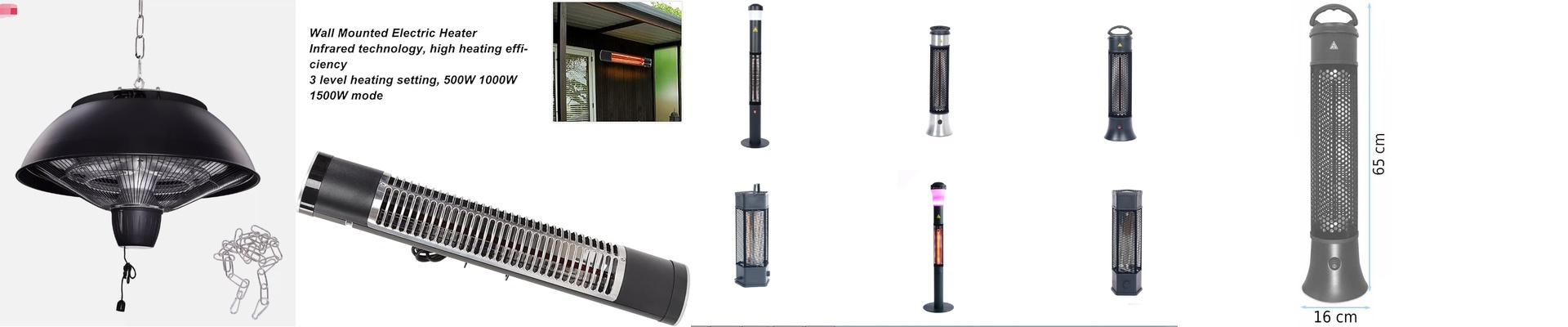

Putting infrared heaters in a semi-outdoor spot is a tough ask. It’s a brutal environment for the heating element. In our experience, there are two big things that usually kill these units: moisture and condensation. Think about it. When water vapor hits a scorching hot quartz tube, it doesn’t always just vanish. Sometimes it causes a thermal shock. Other times, it creates a path for electricity to go where it shouldn’t, which shorts out the whole thing. Not ideal. Keeping the wet stuff out We build our top units with specific seals to keep splashes away from the wiring. Now, this isn’t a submarine—you can’t throw it in a pool. But it means a bit of wind-blown rain or a quick cleaning spray won’t fry your circuit board. We use gaskets and sealed housings to keep the guts dry. It’s important because if water gets into the reflector, you get those annoying streaks and spots. Those spots actually soak up the heat instead of bouncing it back at you. That makes the heater work way harder than it needs to, which just wears it out faster. Dealing with the fog Then there’s the fog. That happens when the heater’s surface and the humid air are at totally different temperatures. To fix this, we use special coatings and a specific airflow design. It stops moisture from clinging to the lens or the tube. By keeping the temperature steady, we stop that “cloudy” look. This keeps the heat moving in a straight line, right to where you actually want it. The catch Here’s the thing: adding all those seals and layers can make it a bit harder for the unit to breathe. You have to keep this in mind when you’re deciding where to mount them. If you tuck a heater too tight against a ceiling or jam it into a small soffit, the heat gets trapped inside the housing. We always suggest leaving a bit of breathing room. It ensures the internal parts don’t cook themselves while they’re fighting off the humidity. It’s all about finding that sweet spot between keeping the water out and letting the air flow. That’s how you keep the lamp from burning out way too soon.