
Stop Just Replacing Your IR Lamps by Part Number
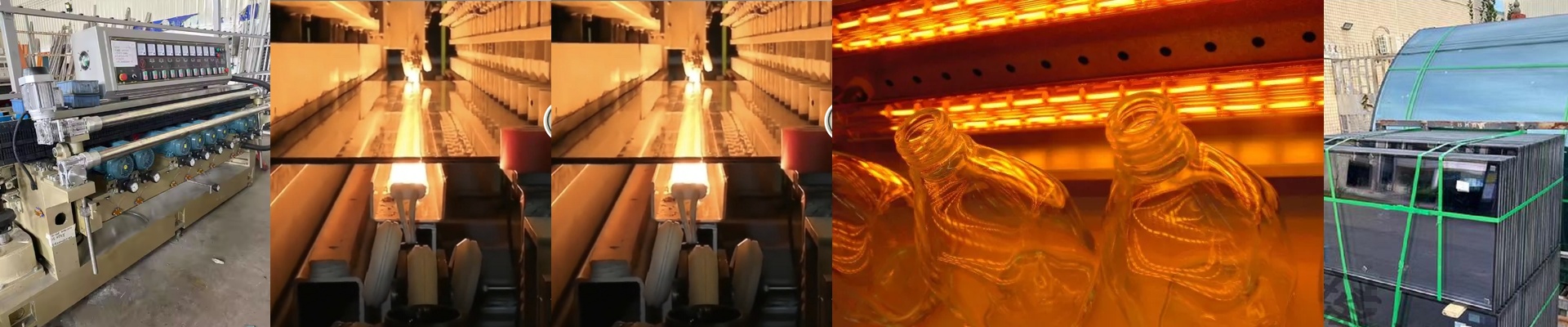
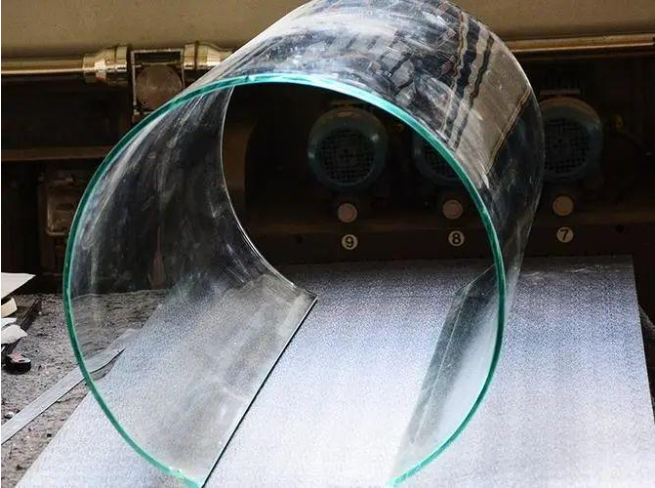
Here is the problem: most people just look at a part number, order a replacement lamp, and hope for the best. But that’s usually how you end up with uneven heating or a lamp that burns out way too soon. When you’re annealing glass tubes, you aren’t just “heating things up.” You’re managing a delicate balance of stress and temperature so the glass doesn’t warp or crack. That’s why we stop looking at the wattage and start looking at the actual physics of how the heat moves. The Voltage Trap It all comes down to heat density. If you cram a high-wattage lamp into a tiny space, you get intense radiation that hits the glass fast. It works, but only if your power supply is dialed in. If your voltage is too low? You’ll never hit that sweet spot where the glass actually anneals. But if you push too much voltage through? You’ll fry the filament in a matter of hours. It’s a tightrope walk. The Hardware That Actually Matters We use high-purity quartz for the envelopes. Why? Because these things take a beating. They have to handle rapid heating and cooling cycles without shattering. Then there are the connectors—things like R7s or SK-types. It sounds like a minor detail, but it’s not. A loose connection creates a hot spot right at the terminal. I’ve seen it happen a dozen times: the socket melts, the lamp dies, and you’re back to square one. We pick connectors that stay put, even in a loud, vibrating factory environment. The Hidden Cost of Heat Here’s the thing: massive heat doesn’t just go toward the glass. It goes everywhere. If your housing doesn’t breathe or your fans are too weak, the heat just builds up around the lamp. That increases the internal pressure and kills the bulb’s lifespan. It’s a simple physics problem, but it’s the reason so many lamps fail early. That’s why we’d rather come to your site and actually look at your setup. A lamp is only as good as the reflector it sits in and how far away it is from the glass. We check your real-world thermal profile to make sure the lamp fits your specific glass thickness and how fast your line is moving. It just works better that way.