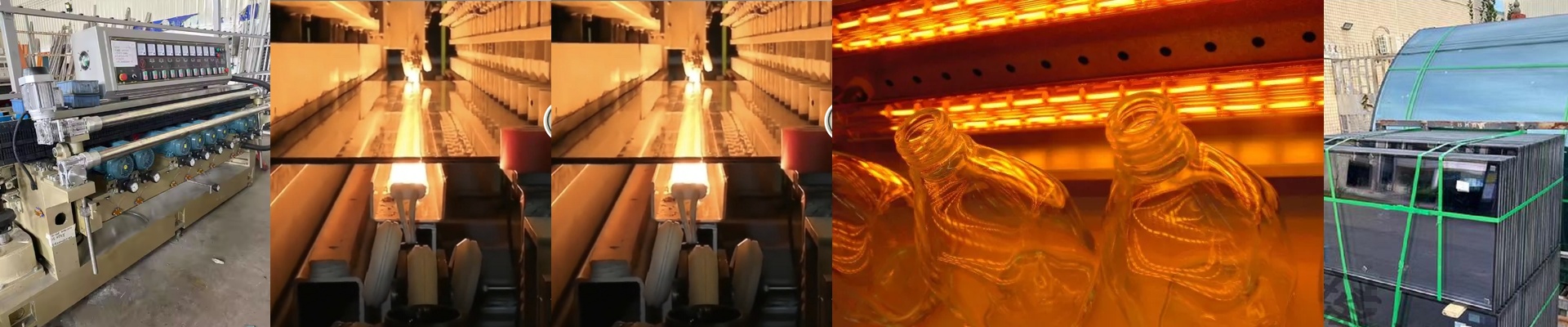
Built for Giants: Ultra-Long Infrared Heaters That Keep Your Line Moving
We don’t just stretch a standard tube to make it longer. We build custom infrared heating units that clear 3 meters—sometimes much more—because wide-format Low-E glass deserves a heat solution that actually matches its size. And here’s the part that matters on a continuous line: the heat has to stay even, all the way across. No dips. No spikes. Just a steady, controlled temperature profile so the glass enters the tempering furnace exactly the way it should. For these long units, we match power and voltage to the geometry—so you don’t get hot spots and cold zones. A 400V setup is often the right call, because it delivers the wattage you need across the full span without the current fading toward the end. The payoff? Consistent heat from end to end, when your line never stops.
The Core, the Coating, and the Bits That Take the Heat
Inside, we use a quartz-based infrared emitter. Why? It responds quickly, and it stays stable even when things get seriously hot. Then we add a reflective coating on the outer jacket. It pushes the energy forward where you need it, instead of letting it bleed off into the surroundings. That means better efficiency—and it also helps shield the element from airflow and dust inside the oven. Mechanically, these lamps have to survive real life: repeated heating, cooling, and handling. So we spec R7s connectors for a secure electrical interface that can be swapped out fast, right on the line. When the wattage runs high, we lean on robust terminals and reinforced supports to keep the tube aligned—even after countless heat-up and cool-down cycles.
Why This Fit Matters for Wide-Format Low-E (And What You Need to Plan For)
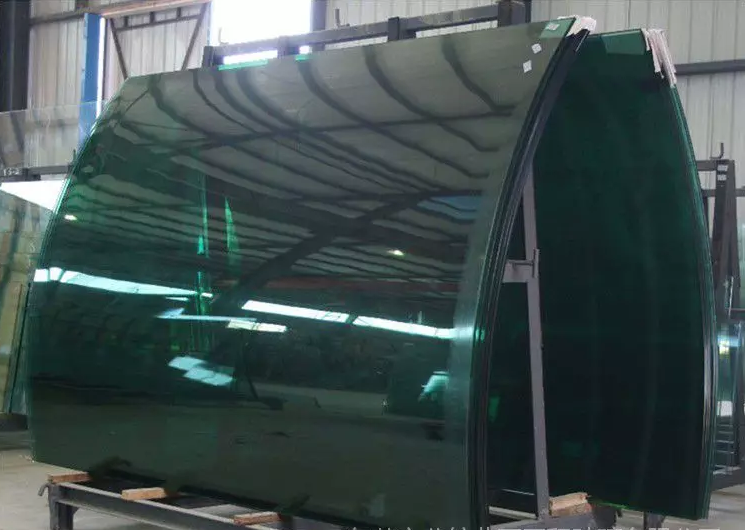
When you’re preheating wide Low-E glass, the whole point is even heating before the quench. A custom unit longer than 3 meters gives you one continuous heating zone that matches the glass width. No more underheated edges. Fewer scrapped sheets. But there’s a reality check. Packing high power density over that kind of length raises the heat load on the whole machine. If your cooling and airflow aren’t built to handle the extra ambient heat, the lamp and nearby parts will run hotter than they’re meant to. So we build the unit to your line dimensions and power budget, so it drops in clean—but the surrounding system still needs to be planned for the thermal output.