Fixing Those Annoying Cold Spots in Glass Annealing
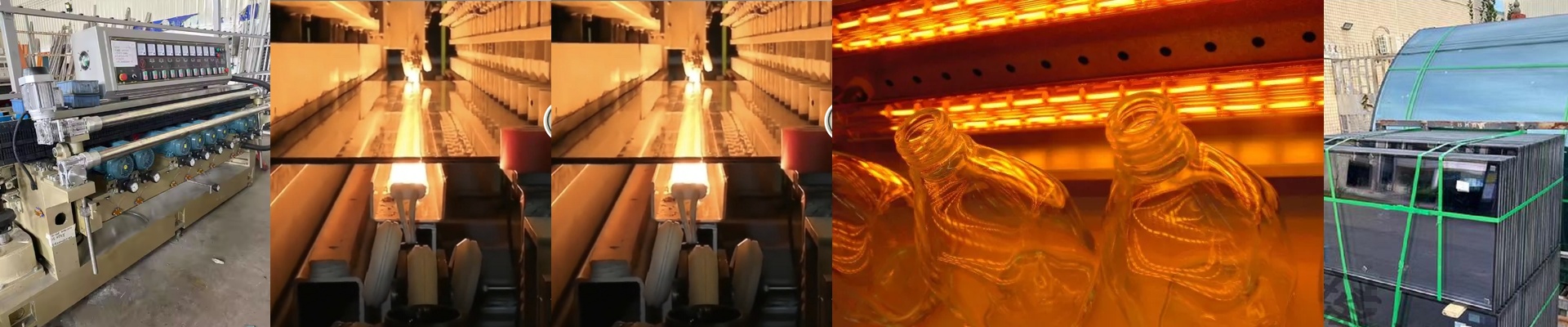
Ever had a custom manifold or a complex volumetric flask just… pop? It’s a nightmare. You spend hours on a piece, put it in the kiln, and it still shatters because of internal stress. The problem is that standard convection heating is lazy. It misses those tight curves and deep pockets—what we call “dead zones.” To fix this, we stopped relying on hot air and started using targeted infrared (IR) lamps to fill in the gaps.
How to Actually Get Full Coverage
Here is the thing about IR lamps: they don’t bother heating the air. They go straight for the glass. By tucking shortwave or medium-wave quartz lamps around the piece, you can push heat into the deepest parts of the vessel. We just pick the lamp based on whether you’re working with borosilicate or soda-lime glass, since they absorb heat differently. It’s all about balance. If one side of your flask is sitting at 540°C while the other is lagging at 510°C, the piece is going to warp. To stop that, we stagger the lamps. It makes the heat hit the surface evenly, no matter the shape.
Power vs. Control (The Balancing Act)
High-wattage quartz tubes are great for getting up to temperature fast. But there’s a catch. If you cram too much power into a small space, you get “hot spots.” One second it’s fine, and the next, you’ve overheated a tiny section of the glass. To keep that from happening, you’ve got to use a solid PID controller and K-type thermocouples pressed right against the glass. We stick with quartz envelopes because they can handle the heat without off-gassing. Now, if you run these on a low-voltage transformer, they’ll be a bit sluggish. High-voltage setups hit the target temperature way faster, but just keep an eye on your insulation—it takes a beating.
Getting it Running on the Shop Floor
The good news? These lamps basically drop right into your old heating element slots. One pro tip: use ceramic insulators. If you don’t, the lamp housing can practically weld itself to the kiln frame, and you’ll have a disaster on your hands when you try to move it. Also, check your cooling fans. Make sure they can handle the ambient heat in the room, or you’ll fry your control electronics before the week is out.