It’s Not Just About the Lamp
Selling a lamp is the easy part. Anyone can ship a tube in a box. But getting a glass annealing lehr to hold a perfect temperature across a 50-meter belt? That’s where things get messy. Most people come to us asking for a specific wattage or a certain length. We usually steer them away from that. Instead, we talk about the thermal load and the radiation gap. Because that’s what actually matters.
The reality of heating glass
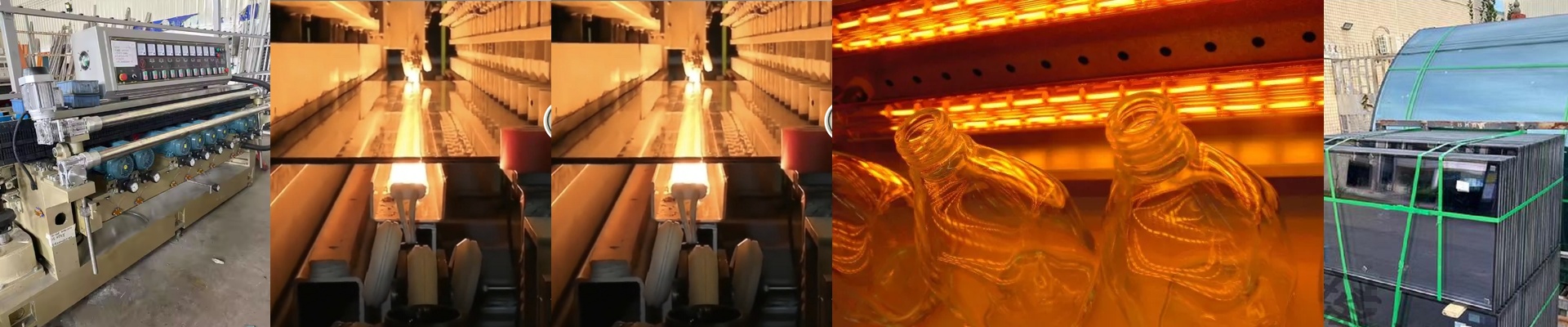
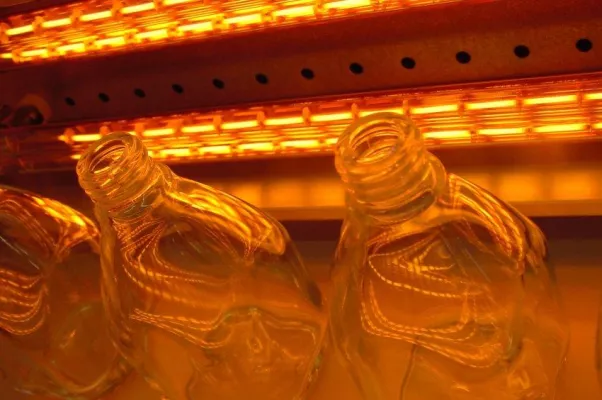
If you want to avoid internal stress in your glass, you need a cooling curve that doesn’t budge. We use quartz halogen lamps for this. Why? Because they push out short-wave infrared energy that actually gets inside the glass rather than just bouncing off the surface. When you pick a lamp—say, a high-wattage tube with a specific voltage—you’re basically deciding how much heat flux you’re throwing at the product. But here’s the thing: high-density heat is a double-edged sword. Sure, a lamp that pumps out massive wattage in a tiny footprint will get you to your target temperature faster. But if your reflector is oxidized or your spacing is just a bit off, you’ll end up with hot spots. And hot spots mean optical distortion. Which means ruined glass.
The hardware side of things
We stick with standardized connectors like R7s or SK15. It’s simple. It makes them drop-in replacements so you aren’t staring at a dead line for hours during a lamp change. We use quartz envelopes because they can handle the heat and let that IR radiation through without a fight. There are always trade-offs, though. If you crank up the voltage to get more output, you’re putting way more stress on the filament. We see it all the time—lamps burning out way too early because the power supply is jumping around or some dust has blocked the cooling airflow. When your power fluctuates, your quality dips. It’s as simple as that.
Why we actually show up in person
A data sheet is just a piece of paper. It doesn’t tell us how your lehr is actually behaving on a Tuesday afternoon. That’s why we prefer to get on the shop floor. We want to see the heat distribution for ourselves. We look for those “cold zones” where the lamps aren’t overlapping the way they should. We check if your wiring is sweating under the load. We aren’t just selling you a box of tubes. We’re making sure the thermal map of your machine actually does what your product needs it to do.