
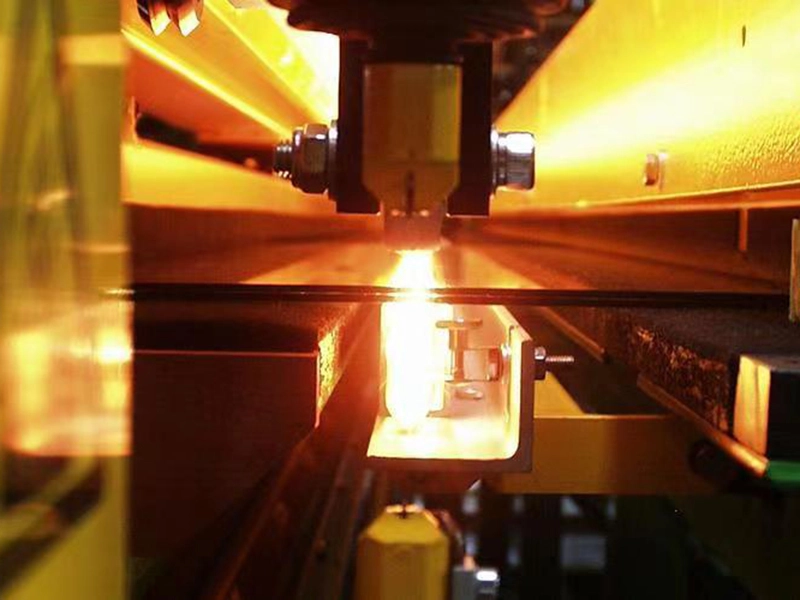
Why Your Tempered Glass Is Acting Up (And How to Fix It)
Ever feel like you’re fighting your own equipment? You run a batch of tempered glass, and it comes out perfect. Then you run the next one, and suddenly you’ve got cold spots and a pile of scrap. It’s frustrating. Most of the time, the culprit is simple: your heat isn’t hitting the glass evenly. If your infrared lamps are off by even 5% in wattage or output, you’re creating “cold zones.” These spots create internal stress in the glass, which is a recipe for disaster. Either the glass breaks during production, or worse, it fails a spontaneous breakage test later on.
It’s All About the W/cm
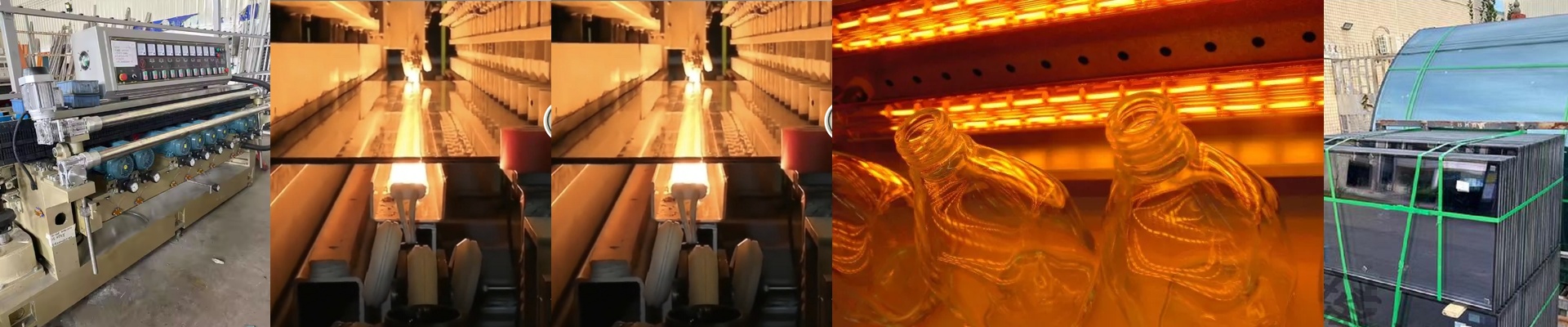
To stop that batch-to-batch madness, you have to look at linear heat density. When we talk about high-consistency IR lamps, we aren’t just chatting about total wattage. That’s too broad. We care about theW/cm ratio. We need the heat to be steady across the entire length of that quartz tube. Think about it. If one lamp in your array is pushing more energy than the one right next to it, you’ve basically built a flaw into your process before the glass even hits the oven. That’s why we obsess over the filament winding. By tightening those tolerances, every single tube in a batch works the same way. It takes the guesswork out of it. You just wire up your heaters and trust that they’ll actually do their job.
The Catch
Here is the thing: high-density heating is great because it speeds up your cycle times. But that extra power puts a real strain on your hardware. When you’re pushing for total uniformity at high temperatures, those quartz tubes get incredibly hot. This is where a lot of people trip up—they forget about the cooling. If your airflow isn’t dialed in, the ends of the lamps will overheat and burn out way too soon.
Stop Chasing the “Sweet Spot”
The goal is to get to a place where the glass sees the exact same thermal profile every single time. When you use matched-pair or matched-set lamps, you can stop playing the guessing game. You don’t have to spend your afternoon tweaking timers and nudging temperatures just to get a decent result. You just get a predictable product. Moving from “adjusting on the fly” to having hardware you can actually rely on is the only way to keep your quality steady when you’re producing at scale.