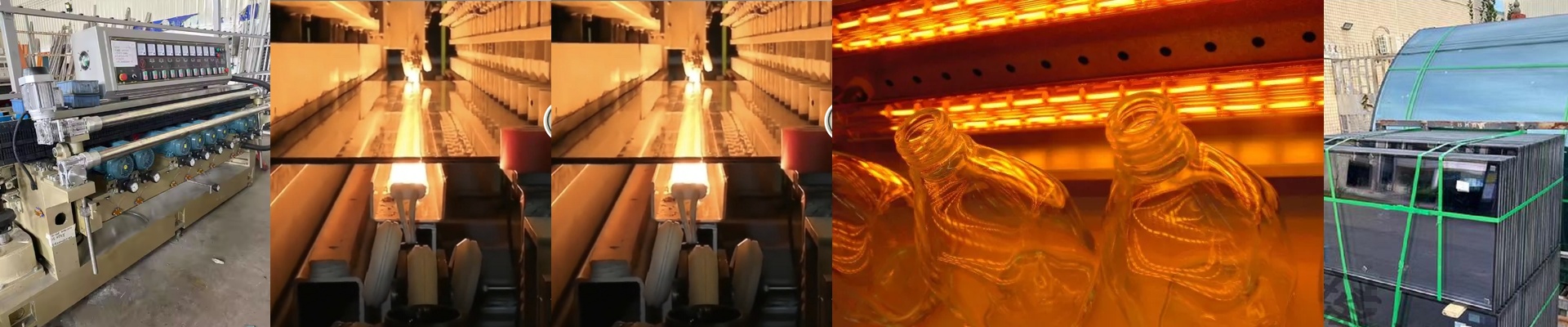

Dealing with Voltage Headaches in Glass Score Line Heating
If your glass score line heating isn’t hitting the exact temperature it needs to, you’re going to have a bad day. You’ll see jagged edges, incomplete breaks, and a lot of wasted material. It’s frustrating. But for most engineers, the real nightmare isn’t the heat—it’s the power. Imagine the chaos of managing global production lines. You’ve got a lamp spec’d for a 110V US line, but someone tries to wire it into a 480V or 575V industrial circuit.**Pop.**It’s gone in an instant.
Why custom voltage actually matters
We build our lamps to match whatever your plant is running—110V, 480V, or 575V. It’s not just about stopping things from blowing up, though. It’s about how the heat actually behaves. To get the same amount of heat (wattage) at 575V as you would at 110V, we have to physically change the filament’s length and diameter. The upside? High-voltage lamps let you run more heaters on one circuit without tripping your breakers every ten minutes. Your wiring stays cleaner and takes up less space. Just a heads-up: when you go high-voltage, you have to be obsessive about your connectors. If they aren’t seated tight, you’re asking for arcing.
Keeping things consistent worldwide
We use high-purity quartz glass for a reason. We want that infrared radiation to punch right through to the score line, not get soaked up by the lamp itself. And if you’re moving production from North America to Europe or Asia, you don’t have to tear apart your heating chamber and start over. We match the physical size and the electrical load so the heat ramps up exactly the same way, no matter where the factory is located. It just works.
The trade-offs you should know about
Here’s the thing about 575V: it’s great for efficiency, but it’s tough on your gear. It puts a lot more stress on your lead wire insulation. If you cheap out on the cabling or use wires that aren’t rated for those voltage spikes, the insulation will fail long before the filament ever burns out. **Check your wires.**It’ll save you a lot of downtime.