


When Your Heating Tubes Go Out, Your Line Stops. We Fix That.
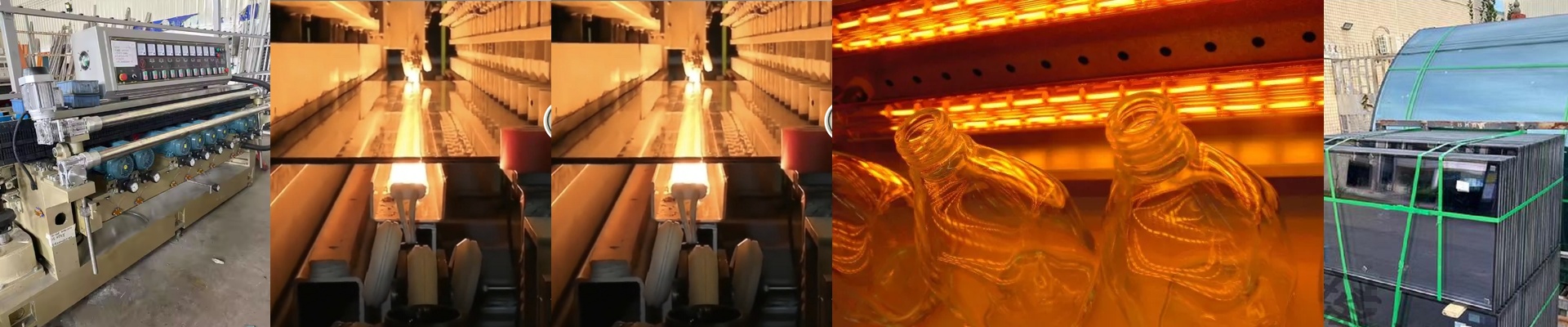
There’s nothing worse than a production line sitting dead because some OEM glass part is “out of stock.” It’s frustrating. It’s expensive. And usually, you’re told to just wait. We do things differently. We get drop-in replacement infrared lamps back in your hands in about 7 days. But here’s the thing: we don’t just mindlessly copy a part number. That’s how you end up with a tube that fries your sockets or barely warms up the product. Instead, we look at the actual physics of your heating zone to make sure the replacement actually works. Getting the heat right Sure, matching the voltage and wattage is the bare minimum. But if you’ve got a high-density 400V tube crammed into a 300mm space, you’re shoving a massive amount of heat into a tiny area. We calibrate the tungsten filament density to match your original heat profile. Why? Because “cold spots” are a nightmare when you’re blowing PET or curing materials. Just a heads-up: if we’re doing a custom-wound filament, double-check that your power supply can handle that initial startup surge. The nitty-gritty on materials We use high-purity quartz. It has to be, otherwise, the glass would just crack under the stress of rapid heating and cooling. Depending on what you’re heating, we can add specific coatings. This lets us shift the emission from shortwave to medium-wave, which helps the heat actually soak into your material rather than just bouncing off the surface. As for the install? It’s easy. We use standard R7s or Sk15 connectors. You just swap the tube out. No need to rip apart your wiring harness or spend hours rewiring the machine. The reality check A custom tube is a lifesaver for downtime, but it isn’t magic. High-wattage quartz generates intense radiant heat. If you decide to bump up the wattage to speed up your production, remember that your cooling fans and heat shields have to keep up. If they can’t handle the extra ambient load, you’re just trading one problem for another. We’ll send over the exact dimensions and electrical tolerances first. That way, you can be 100% sure it fits before the tube even arrives at your door.