Stop the Shiver: Fixing Cold Spots in Your Transition Zones
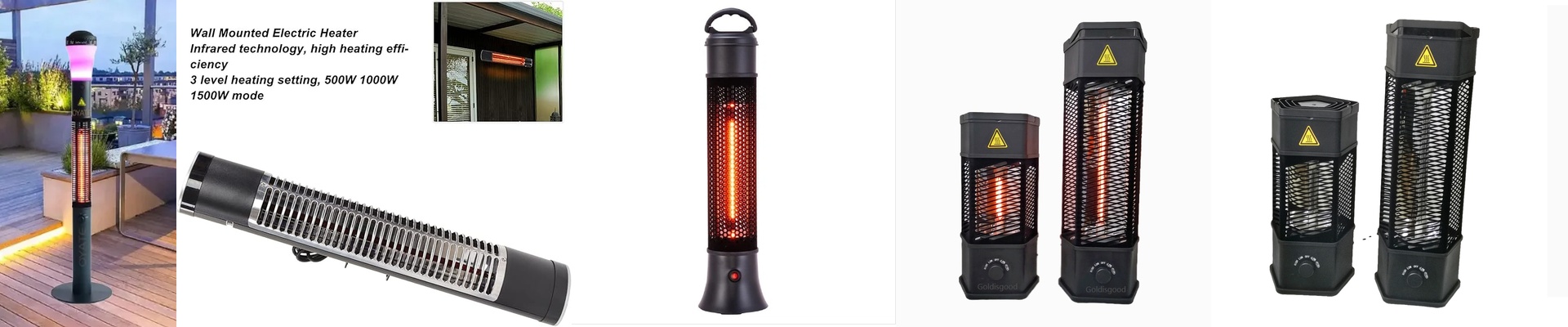
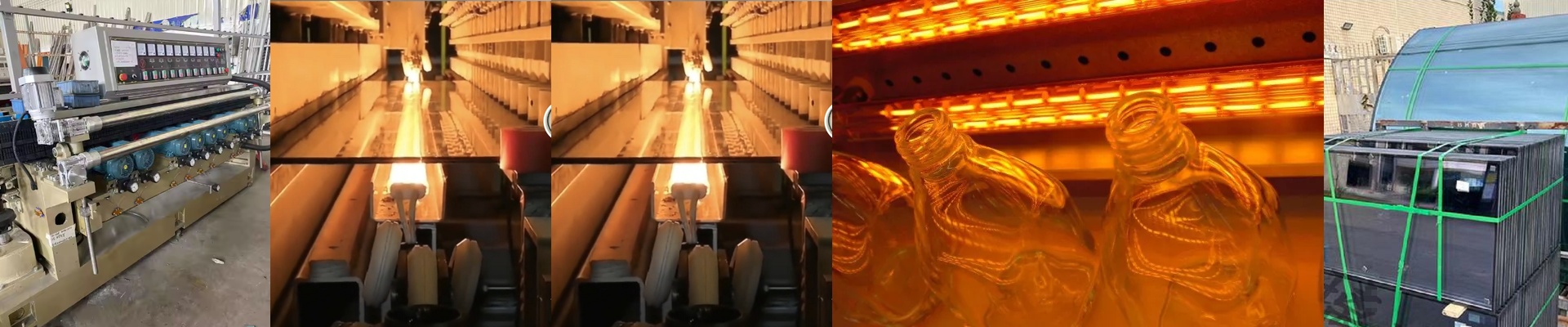
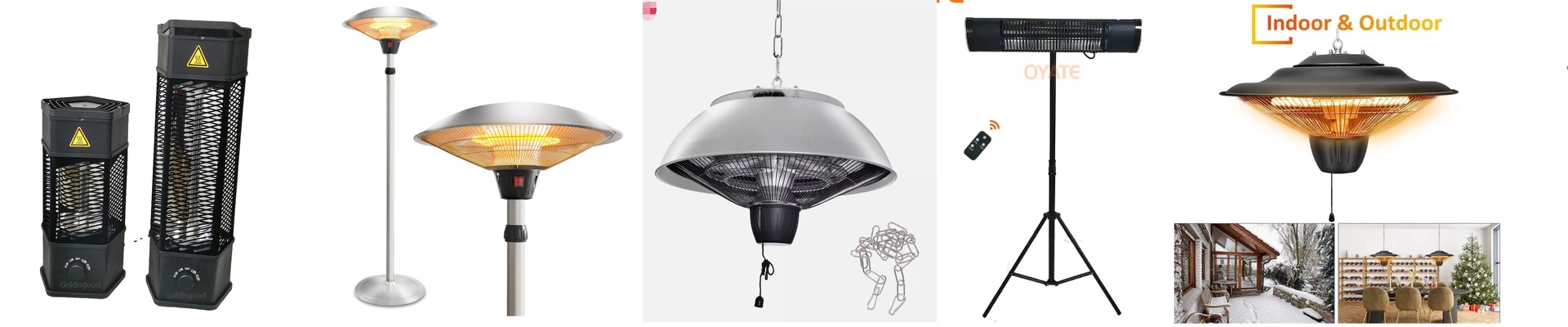
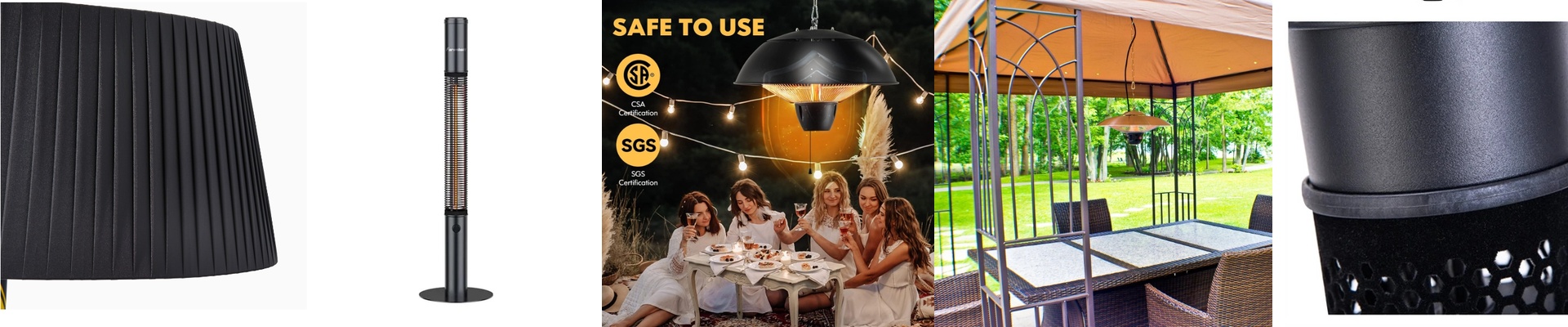
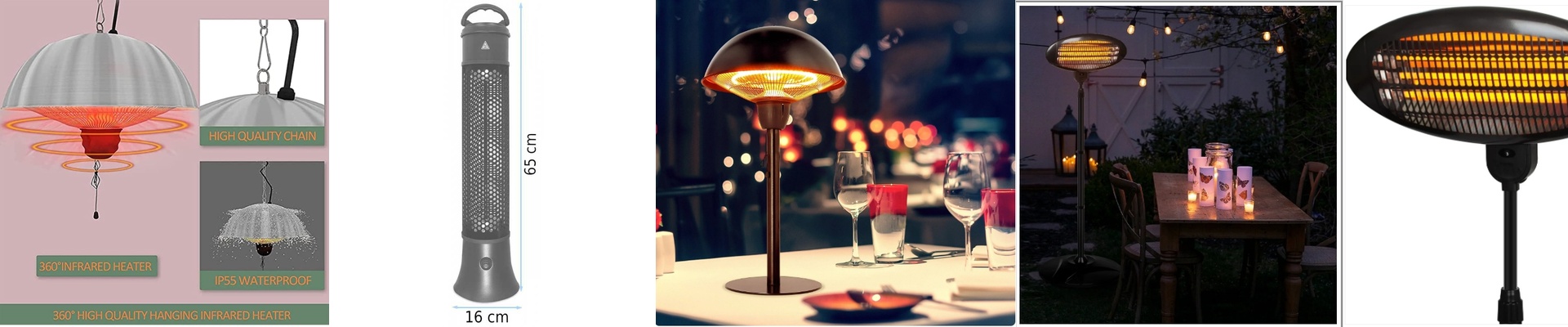
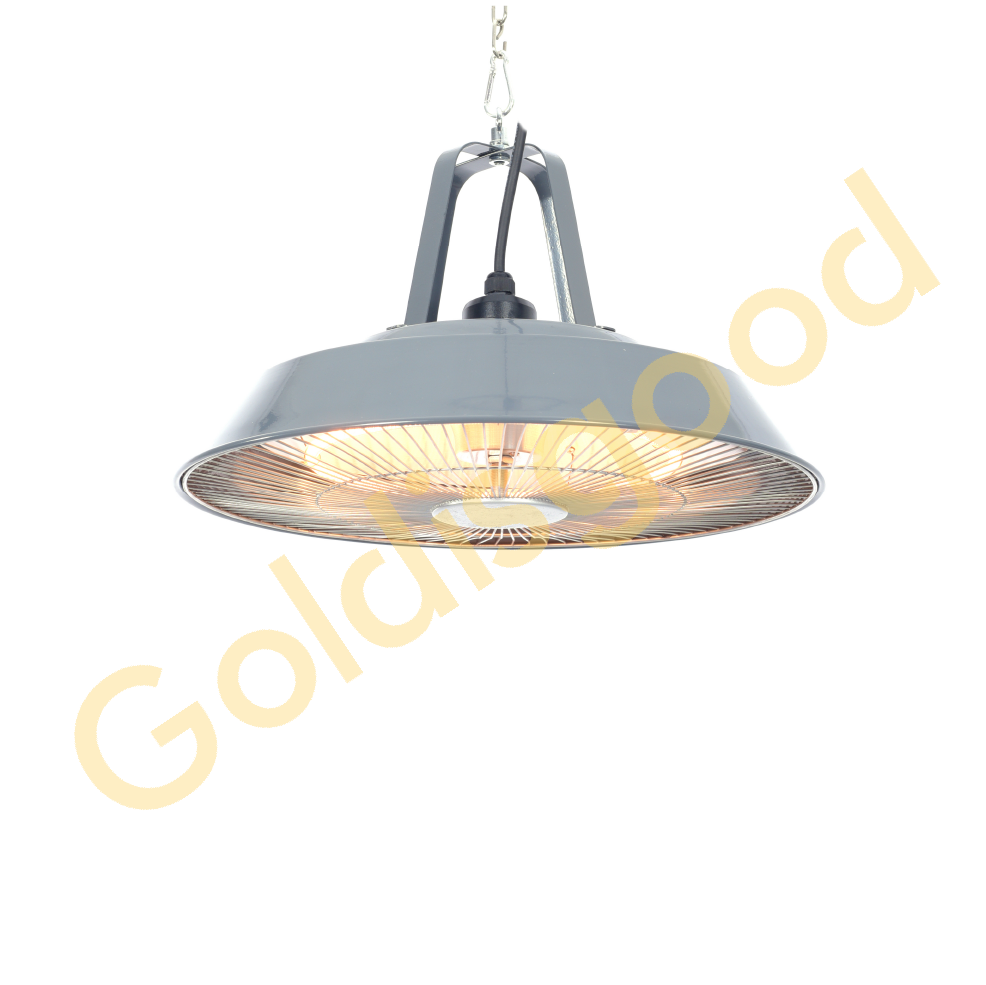
Ever walk into a changing room or a drafty outdoor hallway in the middle of winter and feel that instant, bone-chilling drop in temperature? It’s miserable. And if you’re running a business, it’s a bad look. We fix this with shortwave infrared (IR) tech. Most heaters just try to warm up the air, which is a losing battle when you’ve got a breeze blowing through. Shortwave IR is different. It beams heat straight to the skin and the surfaces around it. It’s fast. Really fast. You can take a freezing room and make it feel cozy in a matter of seconds. Why the physics actually matter Here’s the thing: we use shortwave emitters because they hit harder and faster. The heat doesn’t just float away into the sky or get lost in the rafters; it hits the target immediately. When you have a line of guests standing in a chilly corridor, you can’t tell them to “just wait 20 minutes” for a heating coil to warm up. You need heat now. That’s where this stuff shines. Built for the elements Outdoor gear takes a beating. Between the humidity and the dust, most electronics just give up. That’s why we stick to an IP65 rating. In plain English? The “6” means dust can’t get inside the housing. The “5” means you can hit it with water jets from any angle and it won’t short out. We use sealed gaskets and alloys that won’t rust, so you aren’t replacing the chassis every time the weather turns sour. A quick word on placement Now, there is a catch. Because these lamps are so powerful, they create a very concentrated zone of heat. If you mount them too low, your guests are going to feel like they’re standing too close to a campfire. It gets uncomfortable quickly. You’ve got to get the height and the angle just right based on the wattage so you get a warm glow instead of a “hot spot.” The best part? They’re designed to be drop-in replacements. The wiring is straightforward. Once you’ve got the voltage set, the system does the heavy lifting. You get a warm, controlled space without having to waste money heating the entire building.