How to Actually Handle Ultra-Long IR Heating for Glass Kilns
If you’re trying to set up a heating zone in a glass tunnel kiln that stretches past two meters, you quickly realize it’s not as simple as just buying longer lamps. It’s a different beast entirely. The real headache isn’t the length—it’s fighting thermal expansion and stopping your heat from just leaking out into the room.
Getting the 2m+ Array Right
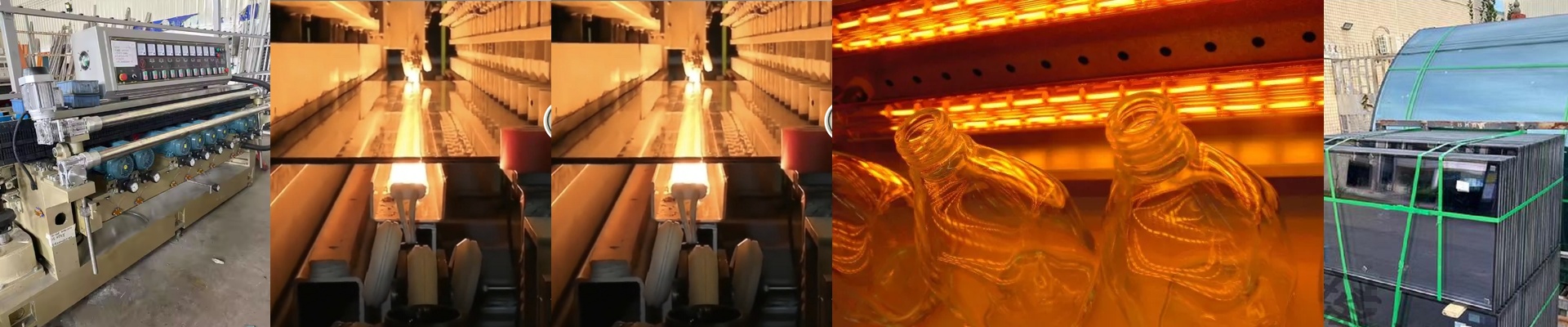
When we build these, we don’t just line up lamps. We tuck multiple high-output IR lamps into one big, continuous aluminum reflector. Here’s the trick: we overlap the radiation patterns. Why? Because nobody wants “cold spots” between the lamps. If the heat isn’t perfectly even, your glass is going to feel it. We use high-purity aluminum for the reflectors because it’s great at pushing that IR energy straight down onto the glass, instead of letting it waste away into the ceiling.
The Battle Against Warping
We love aluminum because it sheds heat fast. But once you hit that two-meter mark, physics starts to fight you. The metal wants to bow. If the chassis isn’t reinforced, the whole thing warps during those constant heat cycles. And the moment that reflector bends, your focal point shifts. Suddenly, you’ve got uneven heating and a lot of frustration. And a quick heads-up on your power: check your wiring. A run this long pulls a massive amount of current. If your wires are too thin, you’ll get a voltage drop. That means the lamps at the far end of the line will be lukewarm while the ones at the start are screaming. Not a great look.
The Trade-off
These long units are amazing for moving huge volumes of glass quickly. But they aren’t as flexible as smaller, modular banks. If one lamp pops, you can’t just ignore it—you have to shut down that section to swap it out. To make your life easier, we suggest using accessible mounting brackets. It means your team can slide a new tube in without having to tear the whole kiln apart. It saves a lot of swearing and a lot of downtime.