

Getting Glass Annealing Right (Without the Stress Fractures)
Anyone who’s worked with lab-grade glassware knows the nightmare of a piece shattering because of internal stress. It usually happens because the heating profile drifted by just a couple of degrees. One tiny slip during the cooling phase, and you’ve got a stress fracture. That’s why we’re so obsessed with our infrared lamp reflectors. We aim for a 0.1°C tolerance. It sounds overkill, but it’s the only way to hit that sweet spot where the glass anneals perfectly without warping or deforming.
The Struggle with Thermal Gradients
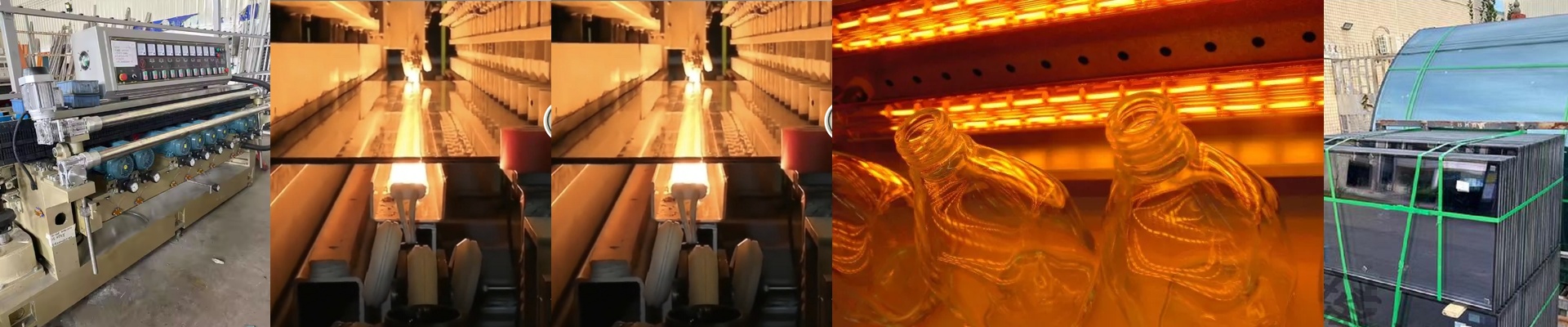
Here’s the thing: glass is terrible at conducting heat. If the outside cools down faster than the core, you’re asking for trouble. You need the heat to hit every inch of the glass consistently. We don’t treat the reflector like a simple mirror. We treat it like a precision tool. By shaping the geometry just right, we kill those annoying “hot spots” that usually pop up at the ends of the lamp. It spreads the IR radiation evenly across the whole vessel, so the temperature stays flat across the entire piece.
That 0.1°C Magic
You can’t get that kind of precision with a steady lamp alone. You need a system that reacts instantly. We pair our reflectors with high-speed PID controllers and Pt100 platinum thermometers. Because the reflector boosts the radiant power, the system doesn’t lag. When the controller tells the heat to shift, the glass feels it almost immediately. No waiting around. No guessing.
The Honest Truth About Maintenance
Now, this isn’t a “set it and forget it” system. High precision comes with a price: you have to keep it clean. A few fingerprints or a layer of dust on the reflector will scatter the light. Suddenly, you’ve got cold spots, and your 0.1°C precision is gone. You’ll need to be disciplined about cleaning them. Also, keep an eye on your power supply. When you’re working with tolerances this tight, any little voltage ripple will show up as a temperature swing in your glass. Keep the power stable, keep the mirrors clean, and your glassware will come out perfect every time.