Getting Your Voltage Right in Glass Bending
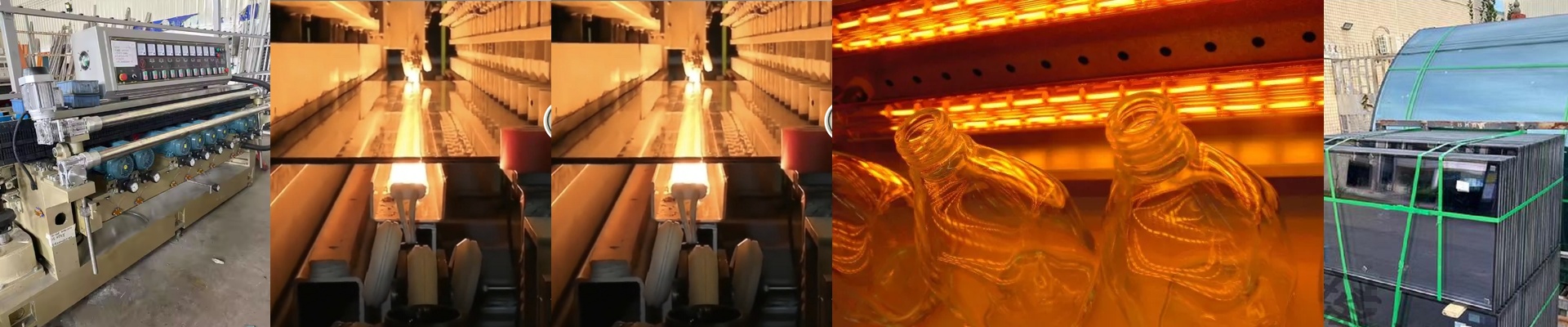
If you’re bending glass, you know the drill. You need a perfect thermal profile to get that glass soft enough to move without ruining the surface. To make that happen, we rely on shortwave infrared lamps. But here’s the real headache: the power grid. Depending on where your shop is, you might be dealing with 110V, 480V, or 575V. It’s a mess if you don’t plan for it. Why we don’t just use a transformer Some people try to bridge the gap with a transformer, but we do things differently. We actually build the filament and the quartz envelope to match your specific grid. Think about it this way: a 110V lamp pulls way more current to hit the same wattage as a 480V or 575V unit. By going with high-voltage lamps, you drop that current load. It’s a huge relief for your wiring. You can run more lamps on one circuit without constantly tripping breakers or having to install cables as thick as your arm. Building for the real world You can’t just take a US-spec lamp and plug it into a Canadian 575V line. It’ll pop instantly. To stop that from happening, we tweak the tungsten filament density and the internal gas pressure of the halogen cycle. That way, when the lamp arrives, it just works. It’s a simple drop-in replacement. The trade-offs (and what to watch out for) Going with 480V or 575V is great for getting high heat density across a big furnace. But it’s not all sunshine. High voltage brings a risk of arc-over. If your connectors aren’t rated for that kind of load, things get dangerous. You don’t want to find out the hard way that your sockets are under-specced by smelling melting plastic. One last tip: keep an eye on your phase balance. If you’re on a 480V three-phase system and the load is unbalanced, your lamps won’t last nearly as long. Plus, you’ll start seeing those annoying, erratic temperature swings in your glass.