Getting the Heat Right: Why Custom IR Matters for Glass Art
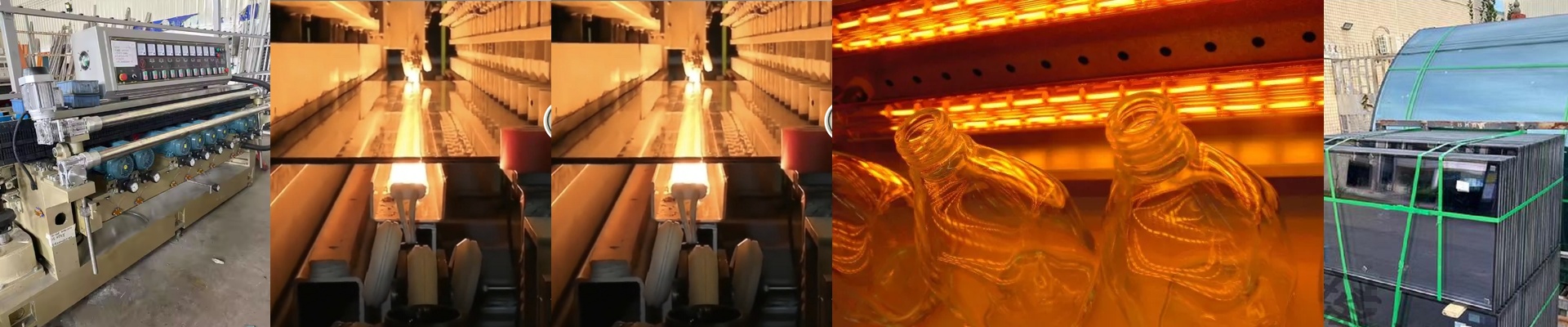
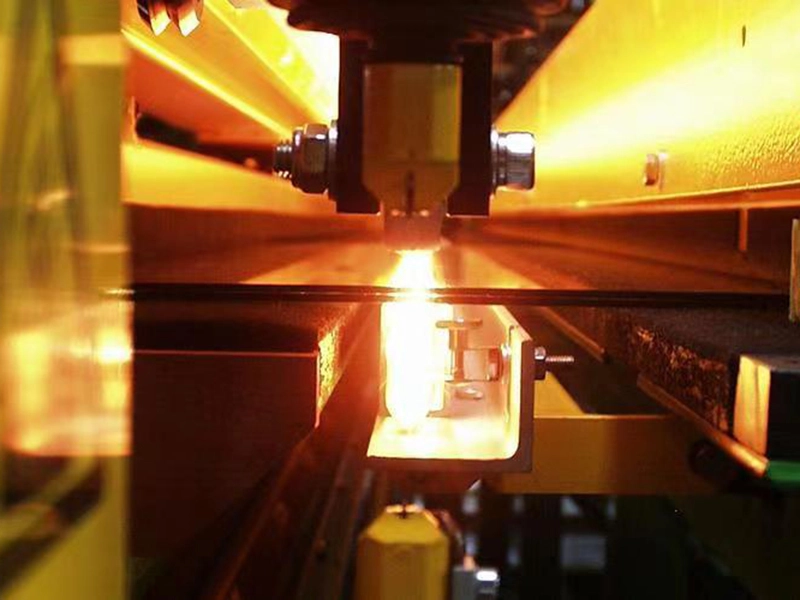
Ever feel like your IR lamps are just… missing? If you’re working with specialty glass, you’ve probably seen it happen. You’ve got these materials filled with metal oxides or rare earth elements that are picky about how they take heat. They only want energy at very specific wavelengths. When your lamp isn’t on the same page as your glass, the heat just sits on the surface. You end up with a piece that’s scorched on the outside but still freezing in the middle. It’s frustrating, and it ruins the work. Hitting the sweet spot We fix this by tweaking the guts of the lamp. We play around with the filament material and the coating on the quartz envelope. By shifting the operating temperature and using interference filters, we move the emission curve. Basically, we make sure the photons are hitting the exact frequency your glass actually wants. It stops being a “spray and pray” heating method and becomes a targeted strike of energy. The trade-offs (Keeping it real) Now, there’s a catch. When you dial in a really narrow, high-intensity peak, you usually lose some raw power. A custom lamp won’t pump out the same total BTUs as a generic, wide-band halogen tube. You’ll have to adjust your dwell time to make up for it. And if you decide to crank up the power to compensate, keep an eye on your quartz. High-density output can wear out the tubes faster if your cooling airflow isn’t dialed in perfectly. Getting it into your shop The good news? You don’t have to tear your whole rig apart. These custom tubes have the same footprint as the standard ones. We use the same connectors, so they just slide right in. No rebuilding the chassis, no fancy engineering. Just swap the tubes, tweak your timers, and you’re good to go. You’ll feel the difference immediately. The glass hits a uniform temperature way faster because the energy is actually soaking in, instead of just bouncing off the surface.