Stop Wasting Power on Your Glass Annealing
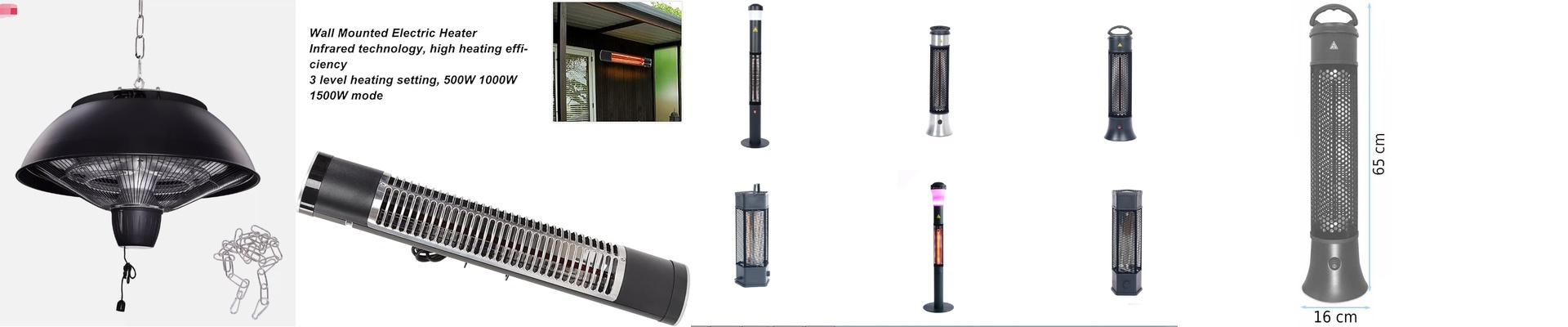
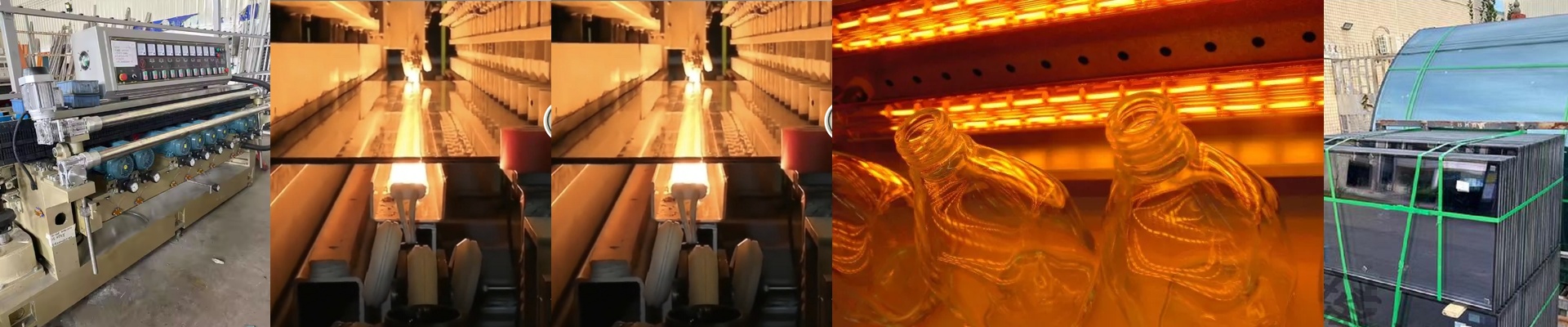
Let’s be honest: cutting and annealing safety glass is an energy hog. If you’re still heating up the entire volume of an oven just to treat the glass, you’re basically paying to heat the air. We do things differently. We use shortwave infrared (IR) lamps that hit the glass surface directly. It’s the difference between heating a whole room with a furnace and just using a space heater right where you’re sitting. Your power bill feels the difference immediately because the energy actually goes where it’s needed. Getting the heat where it counts To get glass to that transition temperature quickly, you need some serious punch. We build our lamps with high watt-densities so they ramp up fast. The best part? You aren’t soaking your surrounding machinery in waste heat. Everything just moves faster. More sheets per hour, less waiting around. Just a heads-up: these tubes pull a lot of power. Make sure your wiring and control panels can handle the current draw. You don’t want to be tripping breakers right in the middle of a peak run. The gear inside We use high-purity quartz for the envelopes. Why? Because cutting rooms are brutal, and this stuff can handle the thermal shock without cracking. We also use a halogen cycle inside the tube to keep the filament from burning out too soon. It just lasts longer. And here is the real secret: shortwave IR actually penetrates the glass. It doesn’t just bake the “skin” of the sheet; it gets deep into the core. Getting it on your floor If you’ve got old, clunky resistive heaters, these are designed to slide right into those same footprints. It’s a pretty simple swap. Just wire them up to a PID controller and you’ve got total precision. One thing to keep in mind: shortwave IR is intense. You’ll feel that heat the second you’re exposed to it, so double-check your shielding and make sure your team has the right PPE. Also, be smart about where you place them—you don’t want to accidentally cook your conveyor rollers.