Stop the Chipping: Why We Preheat Glass
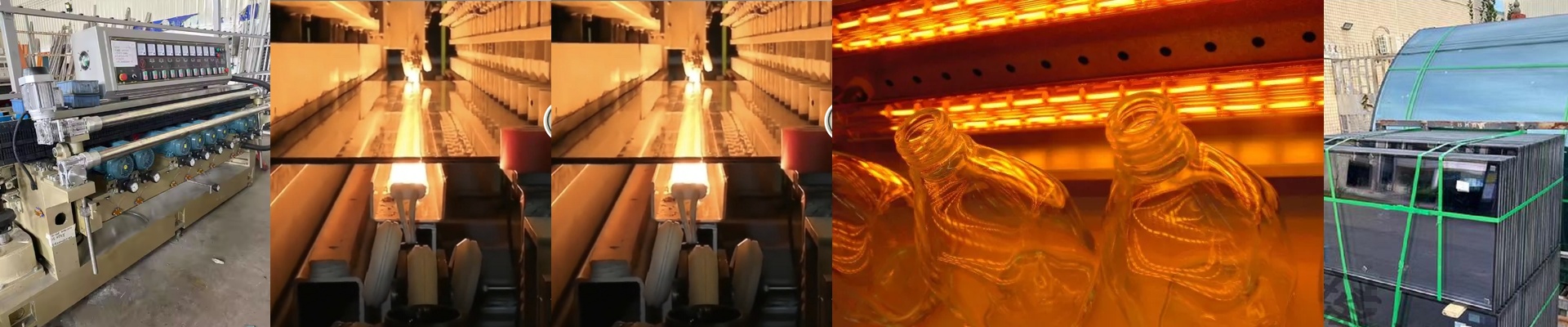
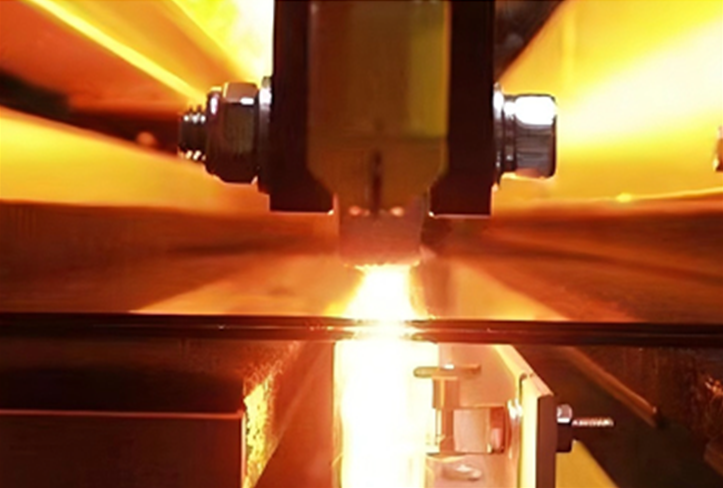
Glass is stubborn. When you hit a cold sheet with a cutting wheel, you’re basically inviting micro-fractures to party. Those tiny cracks don’t stay put—they wander, and that’s how you end up with those annoying chips or corner breakouts that ruin a perfectly good piece. The secret to fixing this? A little bit of heat. The trick with thermal softening Think of cold glass as being “tight.” It’s got all this internal tension. By hitting it with some shortwave infrared (IR) radiation right before the cut, we warm up the surface. We aren’t trying to melt it—obviously. We’re just relaxing the material. It makes the glass a bit more forgiving, so the cutting wheel can glide through and leave a score line that actually behaves. When the glass is warm, the crack goes exactly where you told it to go. It stays in a straight line. You get a clean snap, and your scrap pile suddenly gets a lot smaller. Getting the lamps right We usually lean on quartz halogen lamps for this. They’re great because they pump out a ton of heat fast, warming the glass in seconds as it cruises along the conveyor. But here’s the thing: you have to be careful with your settings. If you crank the wattage too high or mount the lamps too close, the glass can bow. That’s a nightmare because your precision goes right out the window. I always suggest using zoned heating. It keeps the temperature steady across the whole width of the sheet so you don’t get hot spots. The trade-offs Look, IR preheating isn’t some magic wand. It comes with a few headaches. First, it’s a power hog. You’ll need to make sure your electrical panels can actually handle a bunch of high-wattage tubes without tripping a breaker. And keep an eye on your cooling fans. If they aren’t dialed in, that heat can soak into your conveyor rollers. Once those rollers expand, they jam, and your whole line grinds to a halt. Just keep your sensors calibrated so you hit that sweet spot—warm enough to cut clean, but not so hot that you’re fighting the equipment.