
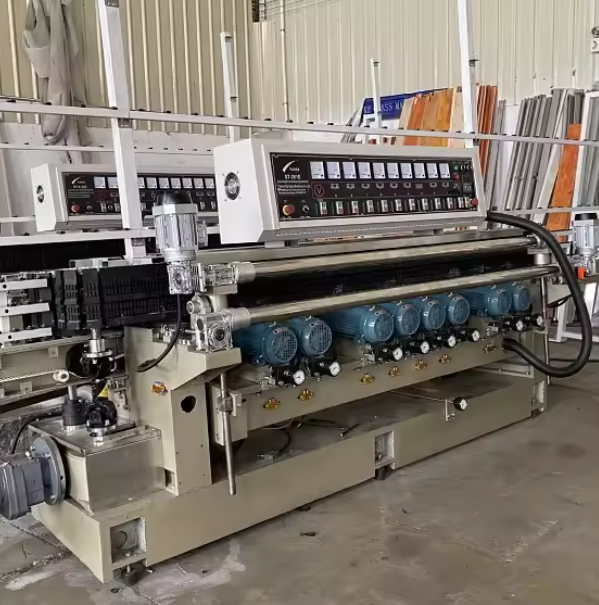
Dealing with Tight Squeezes in Glass Bending Furnaces
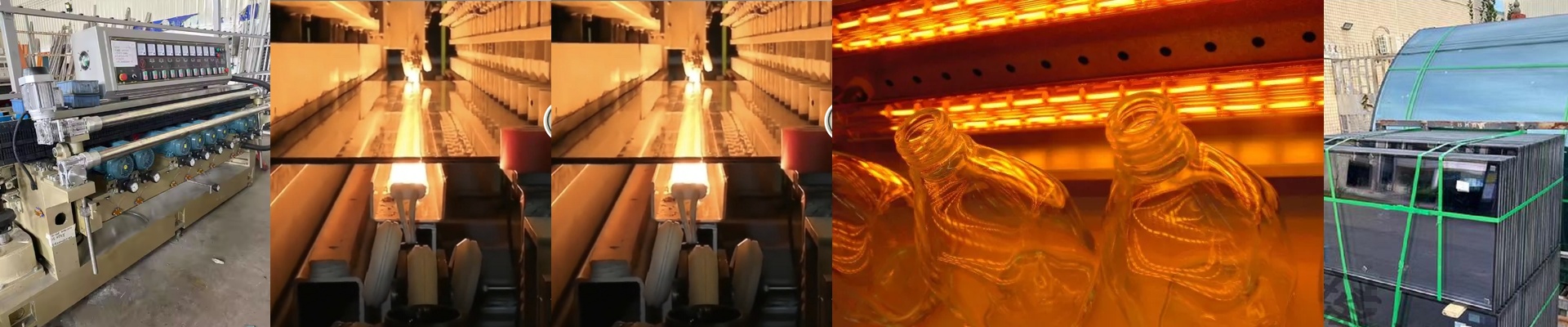
Let’s be honest: glass bending furnaces are usually cramped. You’re often working with a footprint that feels way too small for the job. The real headache starts when you try to use standard, off-the-shelf infrared lamps. They rarely fit the actual geometry of a non-standard line. If you try to force a standard lamp into a space where it doesn’t belong, you’re asking for trouble. You’ll either end up with cold spots on your glass or, worse, a lamp that physically crashes into the glass sheet. Getting the shape right We don’t do “close enough.” We build infrared lamps to your exact lengths and shapes. If your heating zone is a bit weird or irregular, we just bend the quartz tubes to match. It’s a simple fix that makes a huge difference. It means you can get the heat source closer to the glass without worrying about hitting the furnace walls. Need a tight cluster? We can do shorter, high-density tubes. Need perfectly even heat from one edge to the other? We’ll build you a custom long-form lamp. The trick to stress relief When you’re dealing with stress relief, you have to be careful. If the temperature isn’t exactly where it needs to be, you might actually create new thermal gradients. By tweaking the physical size of the lamp, we can control exactly how much power hits the glass. We play around with the filament winding and the quartz thickness until we hit that sweet spot you’re looking for. But here’s a heads-up: when you pack more heat into a smaller space, the air inside the furnace shell gets hot. Really hot. Just make sure your cooling fans and vents can handle it, or you’ll risk burning out your electrical terminals. Making it actually fit Customization isn’t just about the tube itself. It’s about the whole setup. We make sure the connectors and wiring match the rack you already have. Whether you’re replacing a tired old system or building a totally new array for a one-of-a-kind machine, we build the lamps to slide right into your mounting brackets. No more messing around with makeshift adapters. Those are just accidents waiting to happen—they cause hotspots and usually fail the moment the metal starts to expand from the heat. It’s much better when it just fits.