Getting Wide-Format Low-E Glass Preheating Right
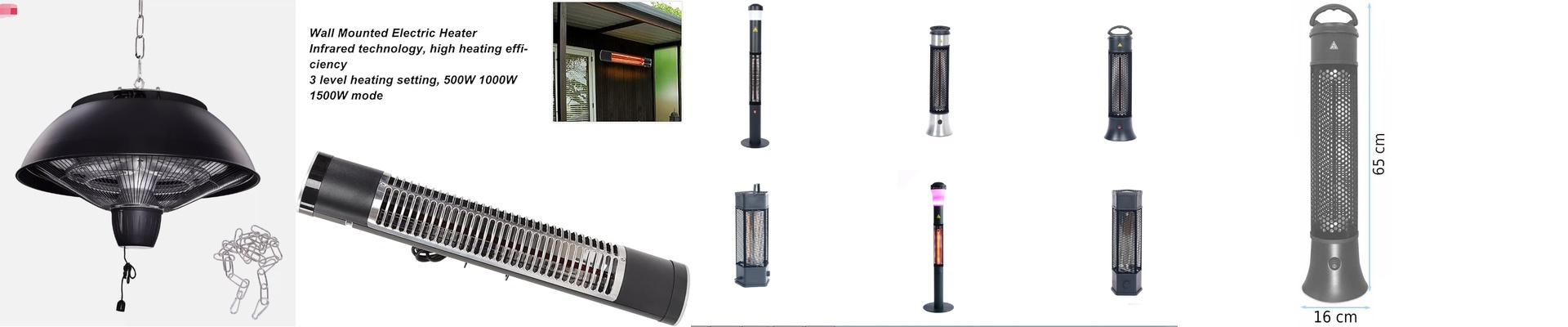
If you’re working with wide-format Low-E glass, you know the headache of getting the heat even. It’s a pain. Once your production line hits that 3-meter mark, standard infrared lamps just can’t keep up. You end up with uneven temperatures, which usually means ruined glass and a lot of wasted time. We handle this by building ultra-long twin tube infrared heaters. They’re specifically made for those massive curing and preheating tunnels where “standard” just doesn’t cut it. The struggle with 3-meter spans Here’s the thing: when you stretch a heating element past 3 meters, voltage drop becomes your biggest enemy. If you aren’t careful, you get these annoying “cold spots” right in the middle of the tube. To fix that, we don’t just use a generic part. We spec out the internal tungsten filaments to match your specific power supply. By using two tubes instead of one, we double the heat radiating surface without taking up more space. You get the temperature you need without having to crank the voltage to a level that feels dangerous. Why the twin-tube setup works We house everything in high-purity quartz glass. But the twin-tube design is about more than just raw power—it’s about stability. With dual filaments, if one section fluctuates, the rest of the unit keeps the heat steady. And because Low-E glass is tricky, we can add special coatings to the quartz. This changes how the heat hits the glass, making sure the energy actually sinks into the coating rather than just bouncing off the surface like a mirror. A few things to watch out for Installation isn’t a “plug and play” situation. When you’re pushing this much current through 3-meter units, you need heavy-duty connectors. We use reinforced terminals so the lamps don’t just burn out at the contact points. But a word of warning: these things put out a massive amount of heat. You can’t just slide them into a standard frame and hope for the best. Make sure your oven’s vents and cooling systems are up to the task. If they aren’t, you’ll likely see your support brackets start to warp, and that’s a mess nobody wants to clean up.