Getting the Most Out of SWIR Heat for Mobile Glass Repair
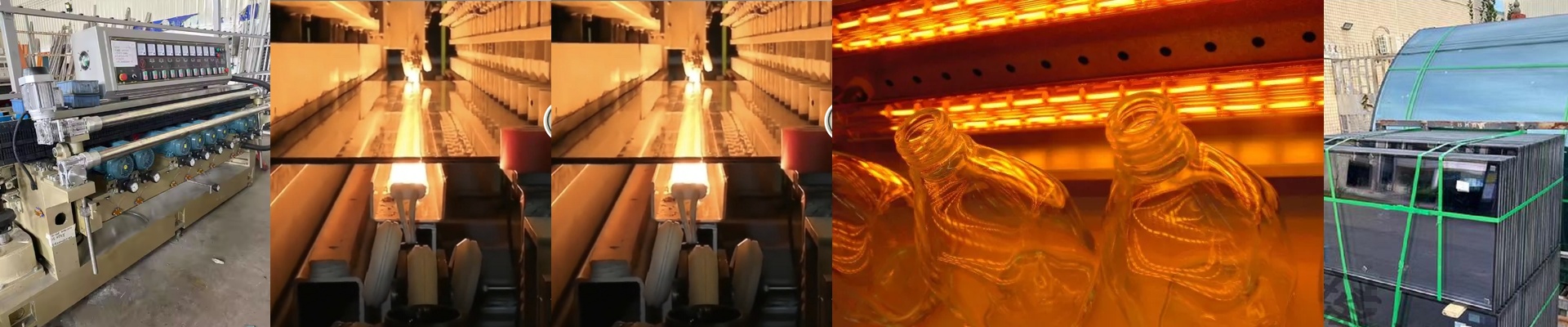
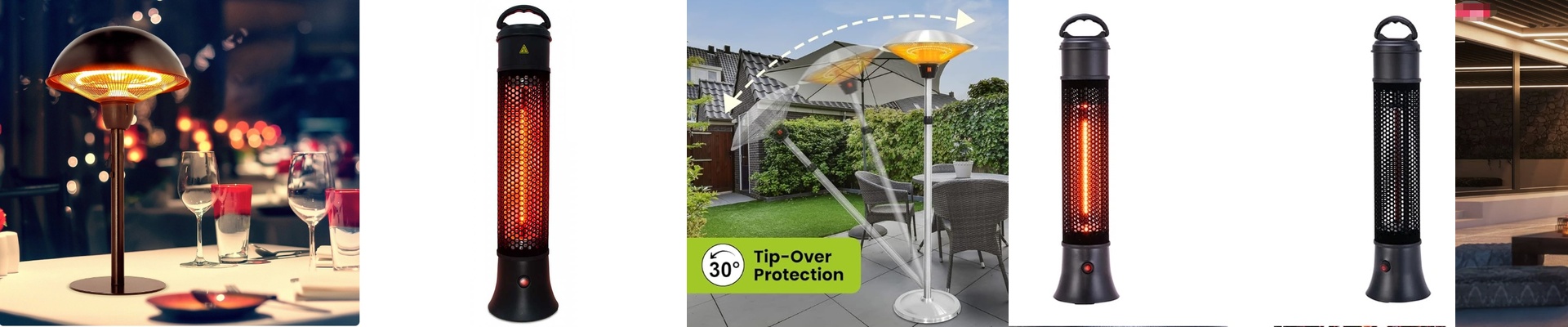
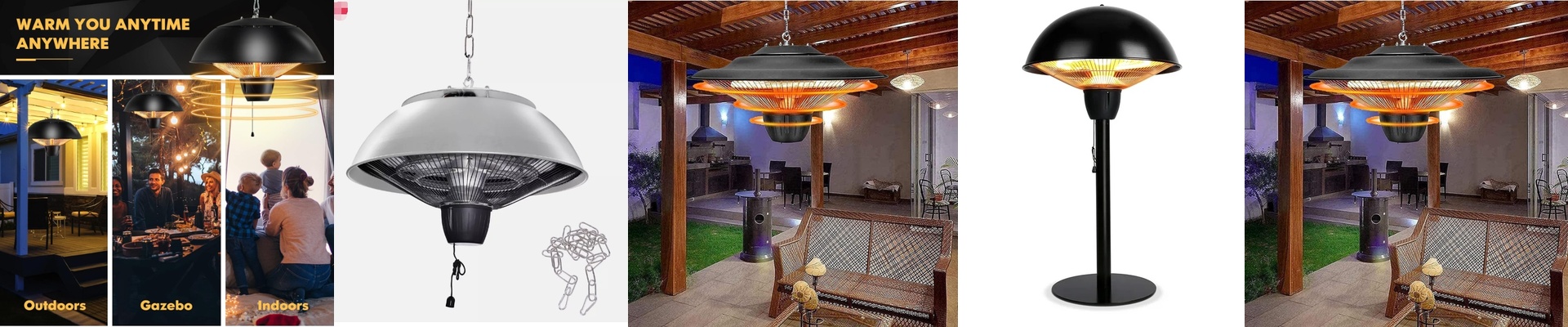
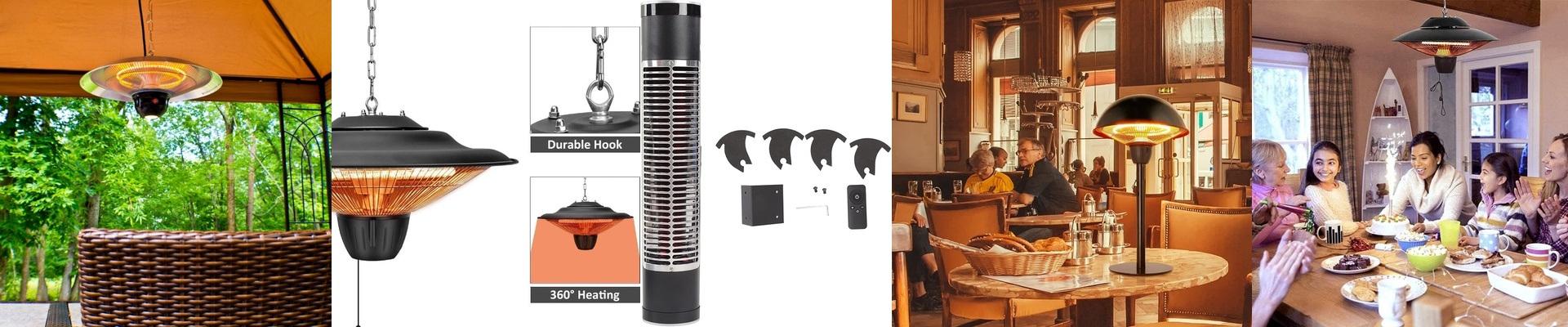
When you’re trying to cram a high-performance heater into a mobile glass repair bracket, you’re basically fighting for every single millimeter. It’s tight. Between the limited voltage and the tiny footprint, standard heaters just won’t cut it. That’s where short wave infrared (SWIR) tubes come in. They give you a massive amount of energy without taking up half your toolkit.
The Struggle Between Size and Power
In a mobile rig, smaller is always better. But you still need that thermal punch to get the job done. To make that happen, we pack more wattage into a smaller quartz envelope. We use short wave radiation because it doesn’t waste time heating up the air around the glass. Instead, it dives straight through the glass to hit the adhesive or the substrate. It’s fast. Really fast. We design these tubes to hit peak temperature in seconds, which is exactly what makes a mobile bracket actually feel efficient in the field.
The Nitty-Gritty: Materials and Setup
We use high-purity quartz glass for the tungsten filament. Why? Because if you use cheap stuff, the tube will warp the moment it hits the extreme heat needed for glass repair. Depending on what your voltage looks like, we tweak the filament’s length and diameter to hit your target wattage. Then there’s the wiring. Since these brackets bounce around in a van, we usually go with R7s or SK15 bases. It keeps the tube from shaking loose on a bumpy road. And a heads-up: if you’re running a custom low-voltage DC circuit, we have to change the filament specs. Otherwise, you’ll risk a massive current draw that could fry your power supply.
The Trade-offs You Should Know About
Here’s the thing: when you pack that much power into a tiny tube, you deal with “heat soak.” While the SWIR energy is doing its job on the glass, the ends of the tube and the bracket itself are going to get hot. You’ll want to make sure your housing materials can take the heat, or maybe toss in some small heat sinks. Also, be careful about over-driving the tube just to save a bit of space. It works, but it’ll kill your filament faster. It’s all a balancing act between how quickly you want it to heat up and how often you want to be replacing the lamp.